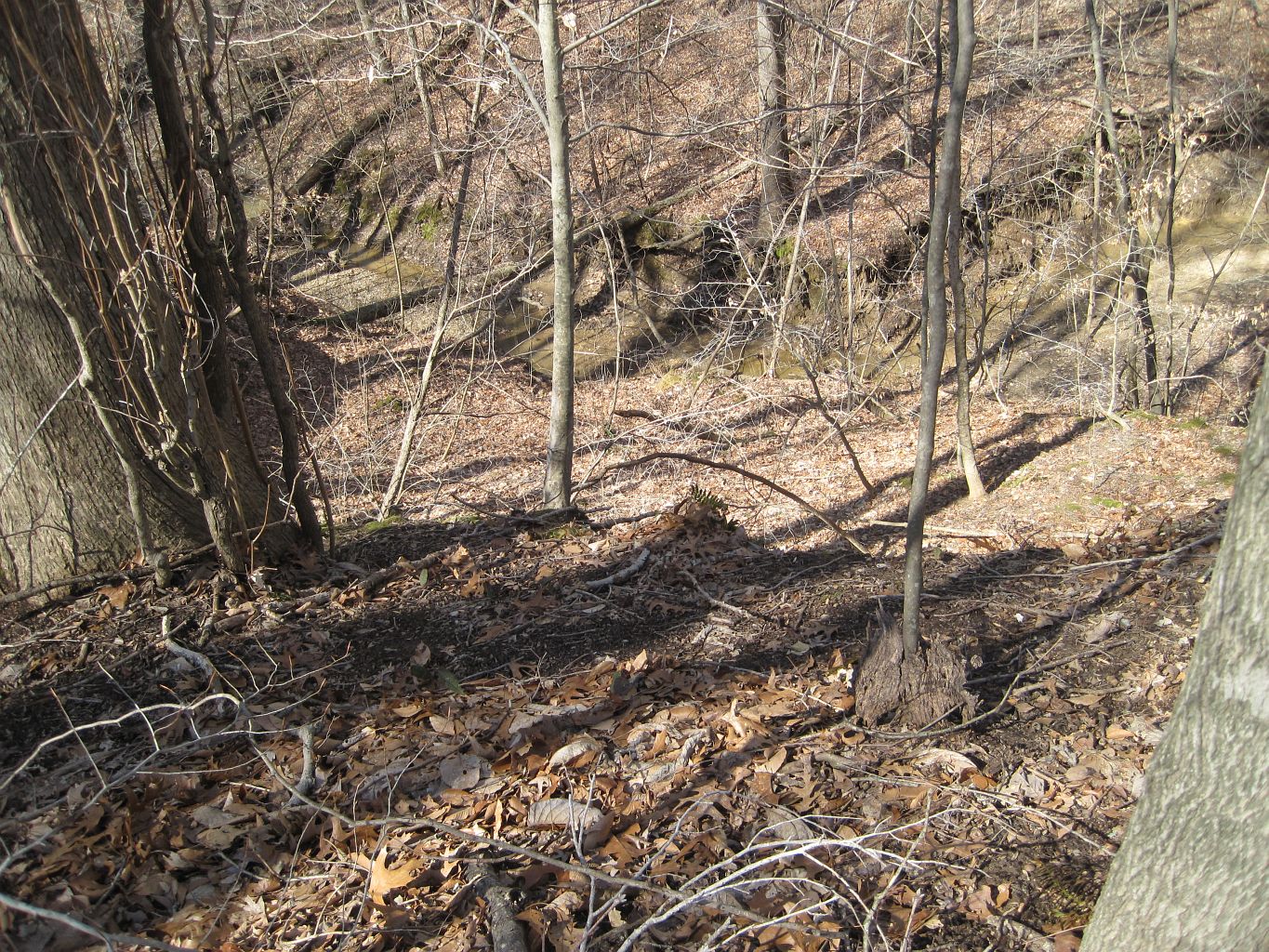
Meeman-Shelby Forest State Park is a large, forested Tennessee state park on the Chickasaw Bluffs overlooking the Mississippi River, roughly 13 miles north of Downtown Memphis in Shelby County. It is managed by Tennessee State Parks and holds hiking and horse trails, a campground, cabins, and a stocked lake — not a garden or a museum, but a working piece of forest and river bluff.
Where is it, and how far from Memphis?
The park sits in northern Shelby County, near the unincorporated community of Shelby Forest and not far from Millington. It is reached by car from Memphis, generally by driving north along the river-side route out of the city rather than through Midtown or East Memphis. There is no MATA bus service to the park, so anyone without a car needs to plan around that — a point covered in more general terms in what’s actually possible in Memphis without a car and in what to know about driving in Memphis.
Who was Meeman, and why is the park named for him?
The park is named for Edward J. Meeman, longtime editor of the Memphis Press-Scimitar, who campaigned in the mid-twentieth century for the protection of forest and park land in and around Memphis, including advocacy tied to this stretch of river bluff. Tennessee State Parks’ own site on the park credits Meeman’s conservation writing as part of the reason this land was preserved rather than cleared or developed. The park was renamed in his honor in the 1960s, after decades as a more generically named forest reserve.
How big is the park, and what’s actually in it?
Tennessee State Parks describes Meeman-Shelby Forest as one of the larger state parks in the system, covering more than 12,000 acres of bottomland and upland forest along the bluffs. Within that footprint, the park’s own facilities include:
- A campground with tent and RV sites, plus cabins available for overnight stays
- Poplar Tree Lake, used for fishing and small non-motorized or low-wake boating
- A network of hiking trails through bottomland hardwood forest and along the bluff line
- Designated horse trails, separate from the walking trail system
- A group lodge and picnic areas used for organized outings
For exact current fees, campsite availability, cabin rates and trail conditions, Tennessee State Parks’ own page for the park is the authority to check directly, since these details change by season and by year.

What does the landscape actually look like?
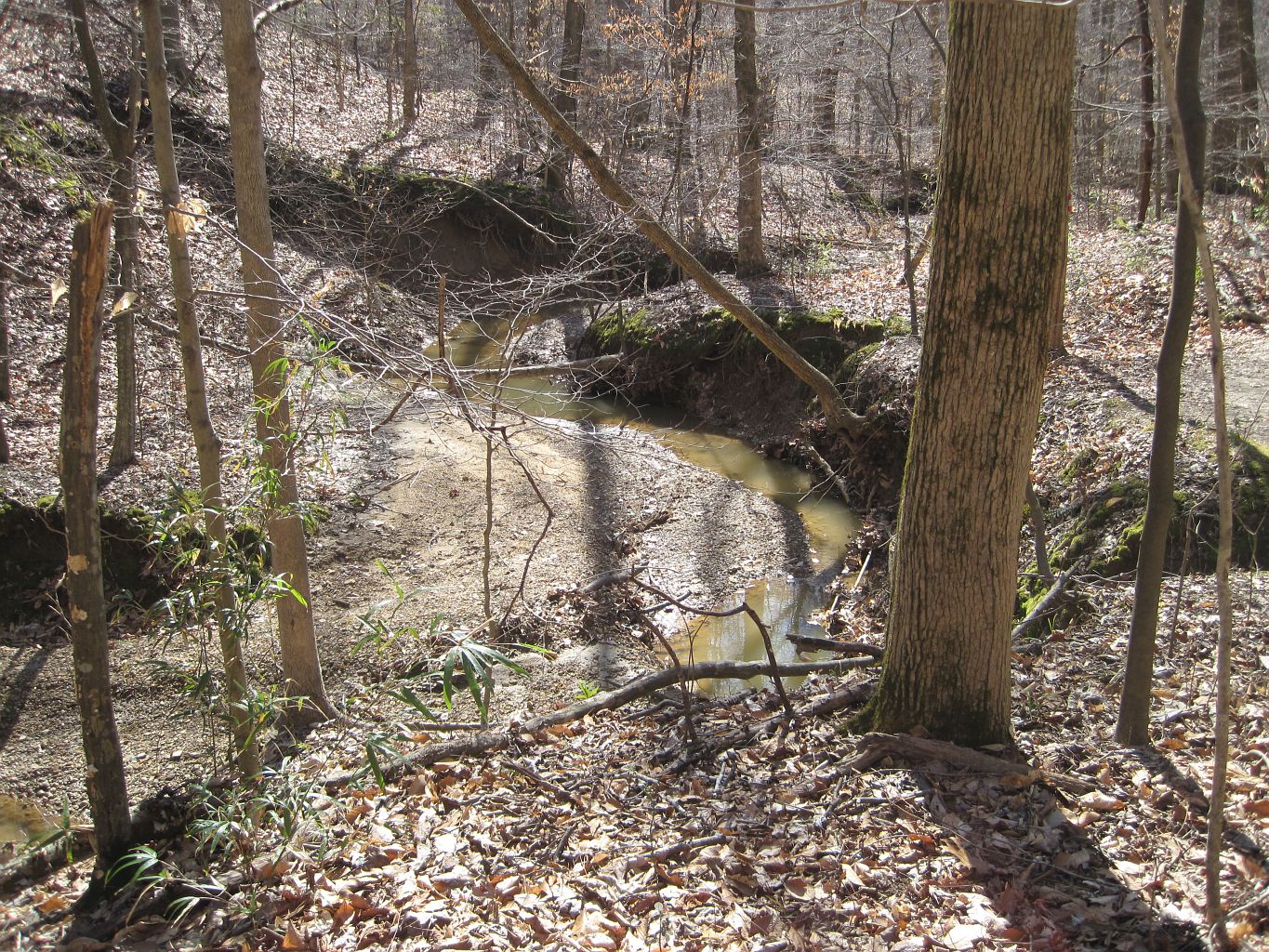
The park occupies part of the Chickasaw Bluffs, the line of loess bluffs that runs along the Tennessee side of the Mississippi River and is the same geological feature that gives Memphis itself its riverfront elevation downtown. Here, north of the city, the bluffs are still forested rather than built over, and the park’s higher ground gives views down onto the Mississippi River and its floodplain on the Arkansas side. Below the bluff line, the terrain drops into bottomland hardwood forest — bald cypress, oak, and other species suited to periodic flooding — which is a different ecosystem from the upland forest at the top of the bluff.
That combination of bluff-top forest and river-bottom wetland is part of what distinguishes this park from the wooded parks inside the city itself, such as the old-growth remnant described in what Overton Park and the Old Forest are, or the much larger reclaimed farmland tract covered in how big Shelby Farms Park actually is. Meeman-Shelby Forest is closer in character to a river-bottom wildlife reserve than to a designed urban park.
Is the park significant for wildlife or birding?
The Mississippi River corridor is a major migratory flyway, and the mix of bottomland forest and open water at Meeman-Shelby Forest is the kind of habitat that supports migratory songbirds and waterfowl seasonally. The park adjoins the Shelby Forest Wildlife Management Area, a separate tract managed by the Tennessee Wildlife Resources Agency, which extends the protected forest and wetland further along the river. Readers researching specific species lists or seasonal counts should look to Tennessee Wildlife Resources Agency and Tennessee State Parks publications rather than assume a fixed roster, since bird populations at any flyway site shift year to year and season to season.
How does it fit into greater Memphis’s park system?
Memphis and Shelby County have a cluster of large protected green spaces that serve different functions: Overton Park’s Old Forest inside the city, Shelby Farms Park as a former penal farm turned large urban park, the Wolf River corridor’s trail system, and Meeman-Shelby Forest as the county’s principal river-bluff forest reserve. Together they form a rough arc of preserved land around and through the city rather than one continuous park. For context on the trail-based version of this pattern, see what the Wolf River Greenway is, and for the general shape of the city’s outdoor spaces, the Parks & Riverfront section and the Memphis Practical hub lay out how these pieces connect.
What should a visitor check before going?
Because the park is a working state facility rather than a curated attraction, several things are worth confirming directly with Tennessee State Parks before a visit:
- Whether specific trails, the pool, or boat rentals are open, since maintenance and seasonal closures affect different parts of the park at different times
- Current camping and cabin availability and rates, which are set and updated by Tennessee State Parks itself
- Weather conditions, since Memphis’s summer heat and occasional severe storms affect a forested, largely unshaded-in-parts park differently than a downtown museum — see how a Memphis day at 100 degrees actually runs and how to dress for Memphis by season for the general pattern
The park does not appear on most first-time downtown itineraries, and it is not meant to. It functions as a day-trip or overnight destination for people already based in or near Memphis, or as a deliberate detour for visitors interested in the river system beyond the downtown bluff. For how it might fit into a longer stay, the Living in Memphis hub and Getting Around archive both cover how residents actually use spaces like this that sit outside the tourist core.
Access Memphis is an independent guide written from published, checkable sources. We have not visited the places described here and we do not publish personal recommendations or invented ‘local favourites’ — where something is singled out as notable, we say who says so. Opening times, fares, closures and prices change at short notice, so treat everything here as a starting point and confirm with the museum, operator or venue directly before building a day around it. We give no advice on visas, insurance, health or safety; use your own government’s official guidance for those.
Featured image: Photo by Thomas R Machnitzki (thomasmachnitzki.com), source, CC BY 3.0
