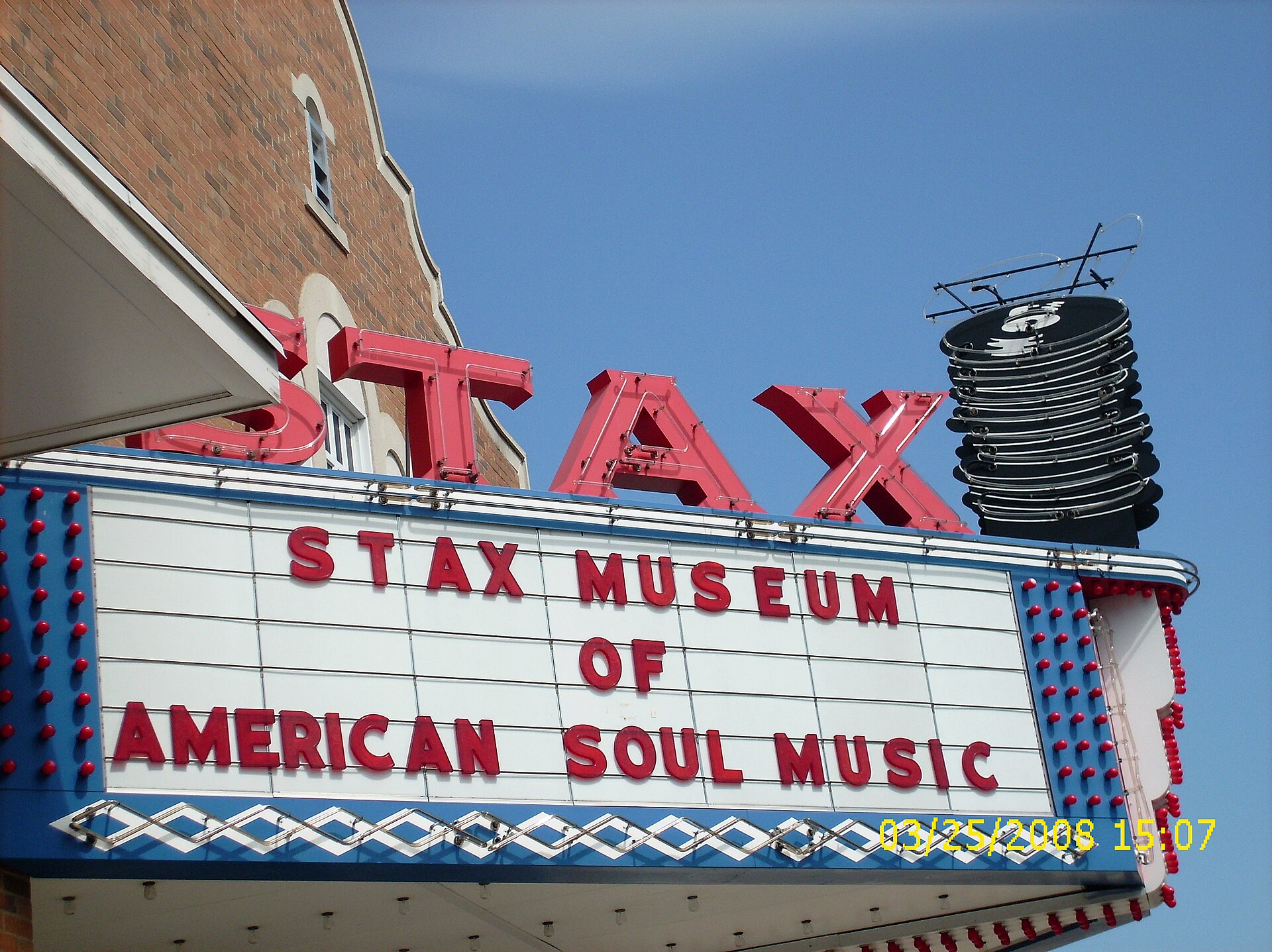
The Stax Museum of American Soul Music is a museum in South Memphis built on the site of the original Stax Records recording studio, which operated from 1957 to 1975. It holds instruments, costumes, gold records and artifacts tied to Stax artists, and it is run today by the Soulsville Foundation, a nonprofit that also operates a music academy and a charter school on the same block.
Where is the museum, and why does the address matter?
The museum stands at 926 E McLemore Avenue, in the Soulsville neighborhood of South Memphis — the name the neighborhood itself now carries, taken from the label that once operated there. This is not a re-creation on a different lot. It is the exact footprint of the old Capitol Theatre building, which Stax Records converted into Studio A in the late 1950s, and where most of the label’s classic recordings were made.
The original building was demolished in 1989, after Stax had gone bankrupt and the studio had sat vacant for years. The museum that stands today opened in 2003, rebuilt to the footprint and appearance of the original, according to the Stax Museum’s own site. It is a reconstruction, not a survival — a distinction the museum states plainly rather than obscuring.
What was Stax Records, and how does it differ from Sun Studio?
Stax was founded as Satellite Records in 1957 by Jim Stewart and his sister Estelle Axton, and renamed Stax (from STewart and AXton) in 1961. It became one of the defining labels of Southern soul, releasing recordings by Otis Redding, Sam & Dave, Isaac Hayes, Booker T. & the M.G.’s, The Staple Singers, Rufus Thomas and Carla Thomas, among others.
Stax is often mentioned in the same sentence as Sun Studio, but the two operations belong to different decades and different sounds. Sun, on Union Avenue, is associated with the rockabilly and early rock and roll recordings of the 1950s. Stax, working a decade later out of a converted movie theater, built what became known as the Memphis sound in soul and R&B. A fuller account of Sun’s own recording history is covered separately in Sun Studio Memphis: what was recorded there.
What does the museum’s collection actually hold?
The Stax Museum describes its holdings on its own site as covering the label’s recordings, house band, and the wider story of Southern soul music from its roots through the 1970s. Items reported by the museum include:
- Isaac Hayes’ gold-plated, fur-trimmed 1972 Cadillac Eldorado
- A reconstructed wooden church, sourced from rural Mississippi, used to introduce the gospel roots of soul music
- Stage costumes, instruments and studio equipment tied to Stax house musicians, including members of Booker T. & the M.G.’s
- Gold and platinum records issued to Stax artists
- The reconstructed marquee and Studio A control room, rebuilt to match the demolished original
The museum’s own materials frame the collection as a history of a specific record label and its house sound, rather than a general music-history survey — closer in scope to a company museum with a strong regional identity than to a broad genre museum.


Is the museum connected to the Smithsonian?
The Stax Museum of American Soul Music is listed as a Smithsonian Affiliate, according to the Smithsonian Institution’s own affiliations directory. Affiliation of this kind allows a museum to borrow items and expertise from Smithsonian collections and does not mean the museum is Smithsonian-owned or Smithsonian-run. It is a formal partnership status, not a change of ownership, and the museum remains operated locally by the Soulsville Foundation.
What is the Soulsville Foundation, and what else does it run?
The Soulsville Foundation is the nonprofit organization that operates the museum, and it also runs the Stax Music Academy and the Soulsville Charter School on the same site, according to the foundation’s own materials. The stated intent, as described by the foundation, is to link the historic label’s legacy directly to music education for young people in the surrounding neighborhood, rather than treating the site purely as a visitor attraction.
This matters for how the site functions day to day. A working music academy and a charter school share the block with the museum, which means the site is embedded in an active neighborhood institution rather than standing as an isolated historic marker. Readers researching how South Memphis neighborhoods function more broadly can find wider context in the Living in Memphis hub.
How does visiting the museum actually work?
The Stax Museum publishes its own current hours, admission pricing and any seasonal closures on its official site, and those figures are the ones to check before planning a visit — practical details like ticket prices change too often for a guide like this to state a fixed number reliably. As a general pattern, museums of this size in Memphis tend to close on at least one weekday and may adjust hours around major holidays, so confirming directly with the operator is the reliable approach rather than relying on a fixed listing.
The museum sits in South Memphis, at some distance from the Downtown core where Beale Street, the National Civil Rights Museum and Sun Studio are concentrated. Reaching it typically means a car or rideshare rather than a walk from Downtown hotels. General questions about getting around the city, including how car use, rideshare and limited transit options fit together, are addressed in the Memphis Practical hub.
How does the Stax Museum fit into Memphis’s wider museum landscape?
Memphis holds several music-history sites that cover different periods and different parts of the industry: Sun Studio for early rock and roll and rockabilly recording, the Stax Museum for the soul and R&B era centered on one label’s house sound, and the Memphis Rock ‘n’ Soul Museum, a Smithsonian-affiliated project, for a broader survey of the city’s recorded music history. None of these substitute for the others, since each documents a distinct slice of the city’s recording history rather than repeating the same story with different exhibits.
A broader look at how Memphis’s museums, landmarks and neighborhoods relate to one another is available in the Memphis Guide hub, and the full run of music, art and history museums covered on this site is collected in the Museums & Galleries archive.
Does the site connect to Memphis’s civil rights history?
The Stax Museum’s own materials situate the label’s story in the same era as the city’s civil rights history, since Stax operated through the 1960s in a city that was also the site of the 1968 sanitation workers’ strike and the assassination of Dr. Martin Luther King Jr. The museum does not present itself as a civil rights site, and readers looking specifically for that history should turn to the institution built around it directly: the National Civil Rights Museum and the Lorraine Motel, which the National Park Service and the museum’s own site document in detail.
What the Stax story does show, in the museum’s own framing, is a Memphis recording label that operated across racial lines in its house band and staff during a period when much of the city around it did not, a fact the museum states as part of its own account of the label’s history rather than as a claim made on the museum’s behalf here.
Access Memphis is an independent guide written from published, checkable sources. We have not visited the places described here and we do not publish personal recommendations or invented ‘local favourites’ — where something is singled out as notable, we say who says so. Opening times, fares, closures and prices change at short notice, so treat everything here as a starting point and confirm with the museum, operator or venue directly before building a day around it. We give no advice on visas, insurance, health or safety; use your own government’s official guidance for those.
Featured image: Photo by Avalon Frost, source, CC BY 2.0
