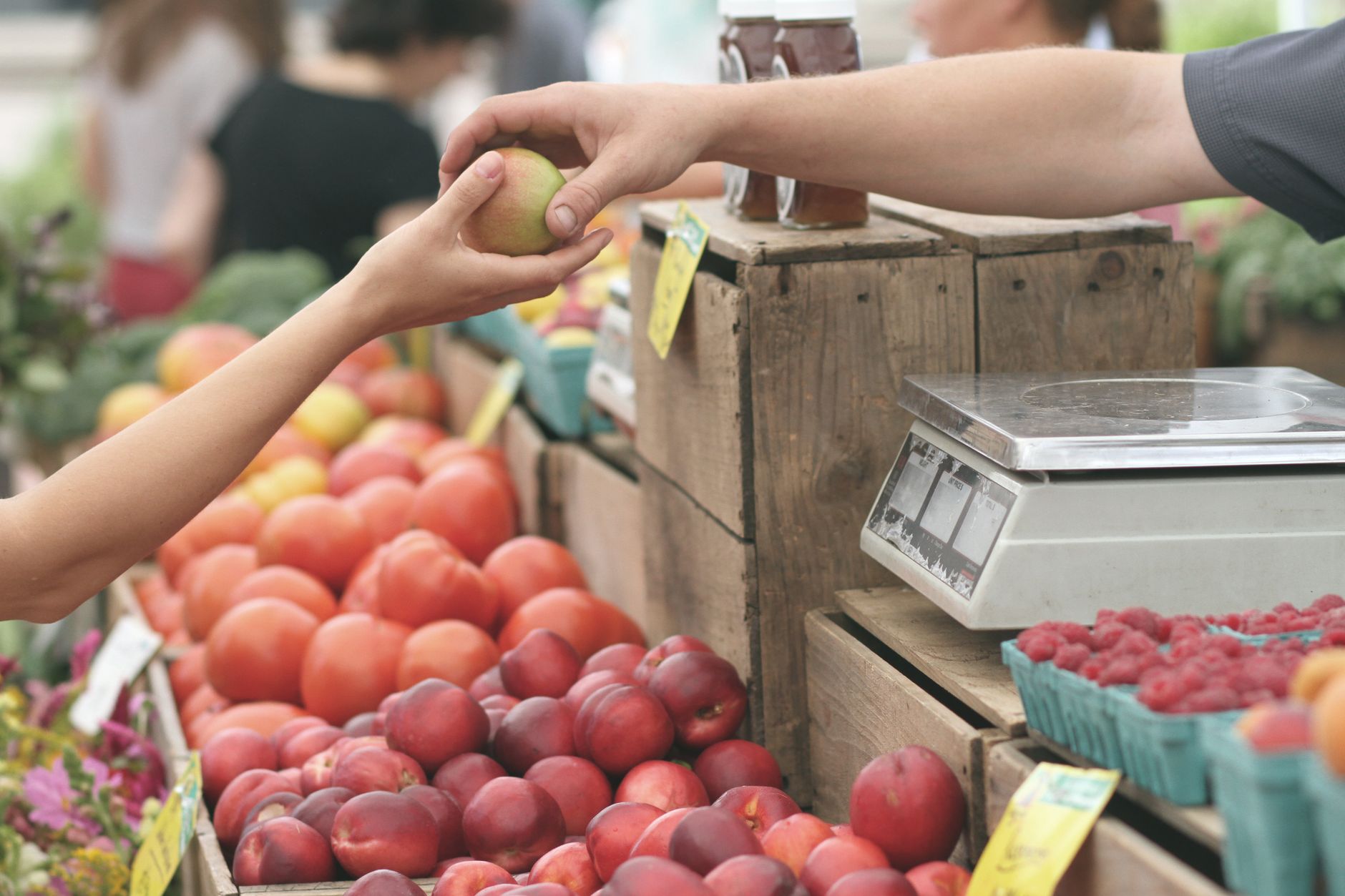
The Memphis Farmers Market is a seasonal, Saturday-morning market held in a historic train shed near Central Station in the South Main Arts District, downtown. It brings together regional farmers, food producers and craftspeople selling directly to the public, and it operates as a nonprofit rather than a private vendor.
Where exactly is it held?
The market sets up at 409 South Main Street, inside and around an open-sided train shed adjacent to Central Station, Memphis’s working Amtrak station. The location places it inside the South Main Arts District, a strip of downtown known for galleries, converted warehouses and the Main Street trolley line rather than for the office towers further north.
The shed itself is a repurposed piece of railway infrastructure — a long, roofed, open-air structure that predates the market by decades. That gives the market a fixed, covered footprint regardless of weather, which is part of why it has stayed in the same spot for years rather than moving between venues.
What does the market actually sell?
According to the market’s own site, vendors fall into a few consistent categories:
- Produce from regional farms — vegetables, fruit and seasonal crops tied to the Mid-South growing calendar.
- Meat, eggs and dairy from area producers.
- Baked goods, preserves and prepared foods made by the vendors themselves.
- Cut flowers, plants and some handmade goods from local makers.
The mix shifts through the year with what is actually in season in West Tennessee, north Mississippi and the Arkansas Delta — the growing region Memphis sits at the edge of. A market in June looks different from one in October, and the market’s own communications are the current source for what is running week to week.
Is it a producer-only market?
The market describes itself as built around vendors selling what they grow, raise or make, rather than resellers of goods bought wholesale elsewhere. That model — sometimes called producer-only — is common among American farmers markets that want a direct line between the person at the stall and the product on it. Anyone relying on that distinction for a specific vendor should check the market’s own vendor listings, since the roster changes season to season.
When is it open?
The market runs on a seasonal schedule, with its main season falling in the warmer months and a reduced or different arrangement outside that window in some years. Because farmers markets by their nature depend on growing seasons, staffing and vendor availability, exact opening dates, hours and any winter schedule are the kind of detail that changes from year to year. The market’s own website is the source to confirm current dates and hours before planning around it.
Who runs it, and is it connected to the city?
The Memphis Farmers Market operates as a nonprofit organization rather than a city department or a private business. That structure is typical of American farmers markets, which are usually run by a market association or nonprofit board that manages vendor applications, site logistics and the relationship with the property owner — in this case the land around Central Station. It is not part of Memphis Area Transit Authority’s operations, even though it sits beside the station MATA and Amtrak share.
How does it fit into South Main and downtown more broadly?
South Main functions as one of the more walkable stretches of downtown Memphis, with the Main Street trolley line running through it and Central Station anchoring its southern end. A Saturday market in the train shed adds a recurring reason for foot traffic in a district that otherwise depends heavily on its galleries’ open nights and its restaurants. For a sense of how walkable this part of downtown actually is compared with other neighborhoods, the site’s broader look at which parts of Memphis are walkable covers South Main specifically.
Central Station itself has its own separate history worth understanding if the market is only part of what brings someone to that stretch of Main Street — the building predates the market by close to a century and has gone through its own restoration as a mixed-use rail and hotel site.
Is this a market for visitors, or is it really for residents?
Both, but not equally. For a resident, a Saturday farmers market is a fairly ordinary piece of city infrastructure — a place to buy produce directly from the people who grew it, on a schedule that becomes part of a weekly routine for anyone who lives near enough to walk or drive to South Main. For a visitor, it is more of an optional stop: a way to see a slice of the city that has nothing to do with music history or barbecue restaurants, set inside one of downtown’s more atmospheric surviving structures.
Neither reading requires much preparation. There is no ticket, no booking, and nothing that needs planning beyond checking the season and the day. It sits more naturally alongside a slower morning in South Main than as an anchor for a tightly scheduled day.
How does it relate to Memphis’s food identity generally?
Memphis’s food reputation runs mostly through barbecue and soul food, both built on specific technique and specific history rather than on farm-to-table branding. A farmers market is a different, more generic kind of civic infrastructure — the same shape found in most American cities — but it does connect to the regional agriculture that has always fed those cuisines. Readers interested in how Memphis food actually works, rather than just where to eat it, can find more on the origins of dishes tied to the city in the site’s coverage of soul food’s origins in Memphis and the broader Food & Drink section.
What should a reader check before visiting?
Three things are worth confirming directly with the market rather than assuming from a general description:
- The current season dates and whether a winter or holiday schedule is running.
- Saturday hours, since farmers markets typically run a fixed morning window rather than a full day.
- Whether a specific vendor or category of goods is expected that week, since the roster is seasonal and not fixed.
For getting to South Main without a car, the trolley line and the general question of downtown parking are both covered in the site’s Getting Around section, and a wider look at how downtown’s boundaries and districts fit together is in the guide to downtown Memphis’s boundaries. Anyone building a longer day around South Main and the riverfront can start from the site’s practical planning hub or the Memphis guide for a fuller sense of what else sits within walking distance.
Access Memphis is an independent guide written from published, checkable sources. We have not visited the places described here and we do not publish personal recommendations or invented ‘local favourites’ — where something is singled out as notable, we say who says so. Opening times, fares, closures and prices change at short notice, so treat everything here as a starting point and confirm with the museum, operator or venue directly before building a day around it. We give no advice on visas, insurance, health or safety; use your own government’s official guidance for those.