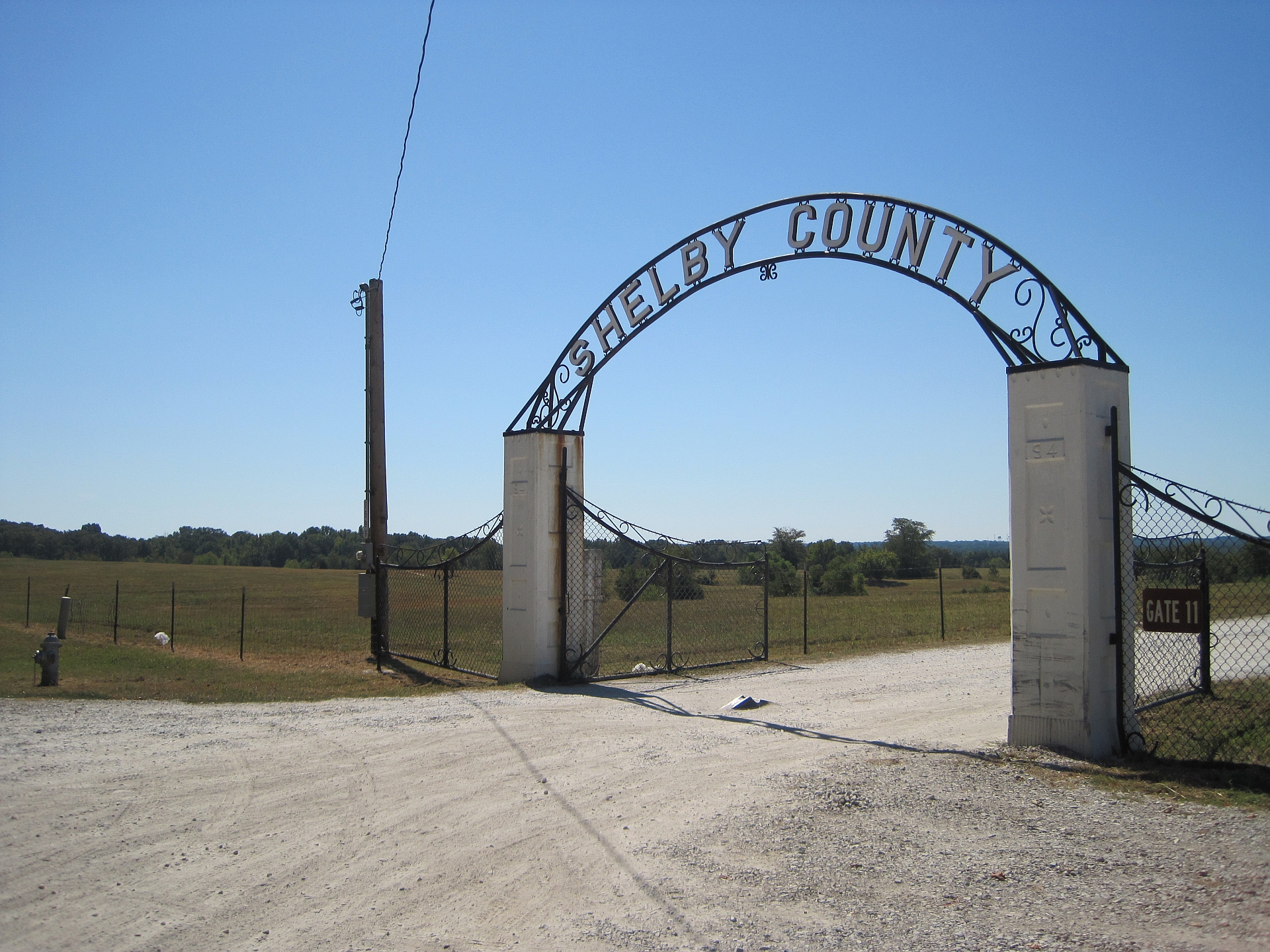
Shelby Farms Park is a large public park in unincorporated Shelby County, east of Midtown Memphis, built on land that was formerly a county penal farm. It is owned by Shelby County government rather than the City of Memphis, and it is managed day to day by a nonprofit conservancy under a public-private agreement.
What is Shelby Farms Park?
Shelby Farms Park is a mixed-use public park containing a lake, woodland, open grassland, trail networks, a working farm history, and a managed herd of American bison. The Shelby Farms Park Conservancy’s own site describes it as one of the largest urban parks in the United States, and it functions less like a single green square and more like a landscape of separate zones — recreational, agricultural, and natural — joined by shared roads and trails.
How big is Shelby Farms Park, really?
The Shelby Farms Park Conservancy’s own materials put the park at roughly 4,500 acres, a figure the Conservancy uses to describe it as several times the size of New York’s Central Park. Because acreage figures like this can be revised as land is reclassified or added, readers who need an exact number for planning purposes should confirm it on the Conservancy’s own site rather than treat any single figure as fixed.
What matters for a visitor is less the exact acreage than the shape of the place: it is large enough that no one walks the whole park in a single visit, and most people arrive with a specific destination in mind — the lake, a trailhead, the playground — rather than a plan to see “the park” in full.
Why was this much land available in the middle of Shelby County?
The land was not set aside as parkland from the start. For much of the twentieth century it operated as the Shelby County Penal Farm, a county-run agricultural workhouse where inmates worked the land. Shelby County retained ownership of the property after the penal farm operation ended, which is why the county — rather than the City of Memphis — still holds title to it today.
That county ownership is the reason Shelby Farms is governed differently from a City of Memphis park like Overton Park. It sits under a separate structure, funded and overseen through the county’s agreement with its park conservancy rather than through city parks and recreation.
Who owns and runs the park today?
Shelby County government owns the land. The Shelby Farms Park Conservancy, a nonprofit formed to operate under a public-private partnership with the county, manages the park’s programming, maintenance, and capital projects. This structure — public land, nonprofit-run operations — is common at large American urban parks and is worth understanding if comparing Shelby Farms to city-run green space elsewhere in Memphis, which the Parks & Riverfront archive covers more broadly.
What is actually inside the park?
The park’s built and natural features are spread across its acreage rather than clustered in one section. Public-facing features documented by the Conservancy include:
- Patriot Lake, a constructed lake at the center of the park used for paddling and shoreline walking
- A managed herd of American bison, kept in a pasture visible from park roads and trails
- Woodland Discovery Playground, a large accessible play area
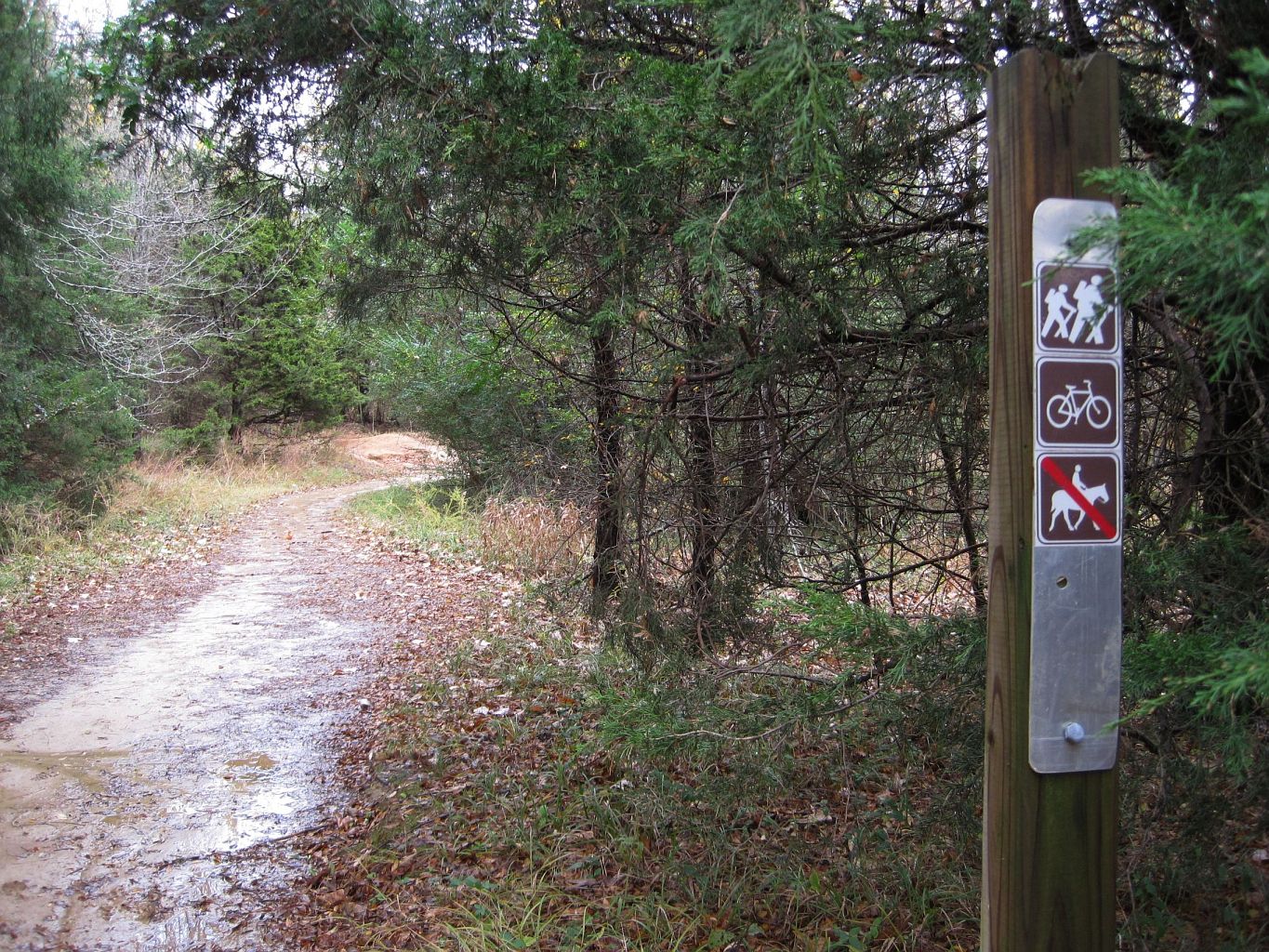
- Mountain biking and multi-use trail networks through wooded sections
- A disc golf course and open fields used for informal recreation
- An equestrian center offering horse boarding and riding programs
- A treetop adventure and zipline course operated as a concession within the park
Not all of these facilities keep the same hours or are open year-round, and some are run by third-party concessionaires rather than the Conservancy directly, so specifics should be checked on the Conservancy’s own site before planning a visit around any one of them.

How does the Shelby Farms Greenline fit in?
The Shelby Farms Greenline is a paved rail-trail built on a former railroad corridor, connecting Midtown Memphis to the park and continuing east toward Cordova. It is the main non-driving route into the park for cyclists and pedestrians, and it is covered in detail in a separate explainer on how the Shelby Farms Greenline actually works. For a broader sense of how cycling functions across the city, the guide to cycling in Memphis is the better starting point.
How do you get to Shelby Farms, and do you need a car?
Shelby Farms sits several miles east of Downtown and Midtown, on Walnut Grove Road near Germantown Parkway. Most visitors arrive by car, and the park has multiple parking areas near its main features. Cycling in via the Greenline is a realistic alternative from Midtown, but there is no equivalent of a downtown streetcar or dense transit line running directly into the park. Anyone weighing whether a car is necessary for a Memphis visit more generally should start with the honest answer on whether you need a car in Memphis, since the park is one of the clearer cases where having one, or at least a bike route, makes a real difference.
How does the park change with the seasons?
Shelby Farms functions differently across the year rather than staying static. Spring and fall bring the heaviest recreational use, when trail conditions are driest and temperatures are most comfortable for cycling and walking. Summer use shifts toward early mornings and the lake’s shaded edges, a pattern consistent with how the whole city adjusts in hot weather, described in how a Memphis day runs at a hundred degrees. Winter thins out the crowds substantially, though the park itself does not close.
The park also hosts seasonal and one-off events organized by the Conservancy, from race series to seasonal light displays in some years. Because dates and even whether a given event recurs can change from year to year, none should be treated as fixed — the Conservancy’s own calendar is the only reliable source for current dates.
Is Shelby Farms worth the trip for a visitor?
That judgment depends on what a visitor is optimizing for. Someone with a single day in Memphis focused on Downtown landmarks and music history is unlikely to have time for a park this size, and itineraries built around what can realistically be seen in Memphis in one day generally don’t include it. Visitors with more time, or families looking for open space and a large playground, are better served — the park comes up often in discussions of what actually works in Memphis with children.
For residents, Shelby Farms functions less as a sight to visit once and more as ongoing infrastructure — a place for regular running, cycling, or dog-walking routes that a single-visit description undersells. That distinction between visiting and using a place is a recurring theme across the Living in Memphis hub, and it applies to Shelby Farms as directly as anywhere in the city.
Access Memphis is an independent guide written from published, checkable sources. We have not visited the places described here and we do not publish personal recommendations or invented ‘local favourites’ — where something is singled out as notable, we say who says so. Opening times, fares, closures and prices change at short notice, so treat everything here as a starting point and confirm with the museum, operator or venue directly before building a day around it. We give no advice on visas, insurance, health or safety; use your own government’s official guidance for those.
Featured image: Photo by Thomas R Machnitzki, source, CC BY 3.0
