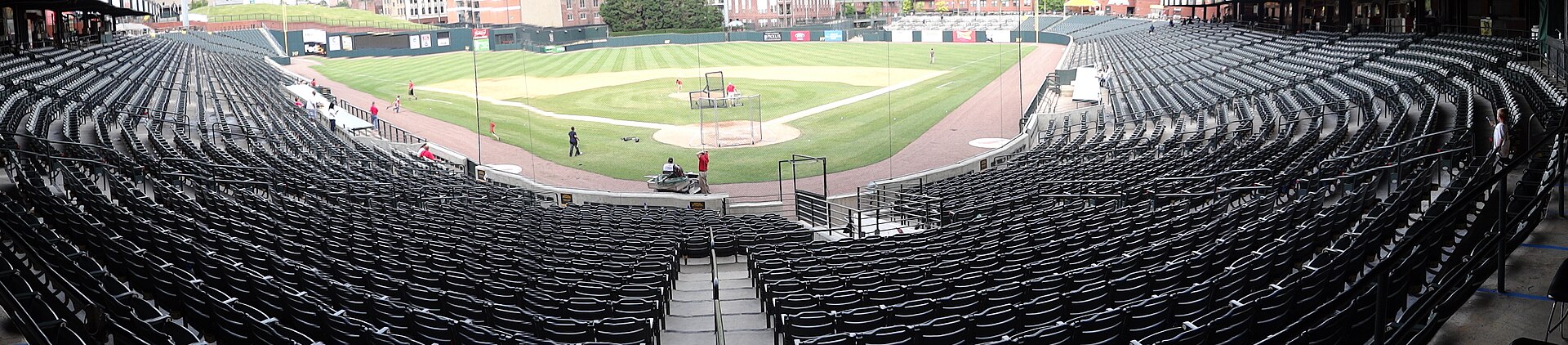
A day in Memphis with children works best around two or three fixed points — one indoor institution built to hold a child’s attention, one open outdoor space, and unhurried gaps between them. The city’s family-oriented museums, its largest park and its riverfront sit close enough together that a car is useful but not strictly required, especially if the day stays inside Midtown or Downtown.
How should a family day in Memphis actually be planned?
Pick one substantial stop for the morning, one for the afternoon, and treat everything else as optional. Memphis does not reward a packed itinerary with young children any more than any other city does — distances between neighborhoods add up, and a museum or a park deserves more than an hour if it’s the day’s anchor. The Memphis guide hub and a realistic one-day plan both work from this same principle: fewer stops, held longer, rather than a checklist.
What indoor options hold up on a rainy or very hot day?
Memphis summers are long and often too hot for extended time outside in the middle of the day, and the city gets its share of thunderstorms; an indoor anchor matters more here than in a milder climate.
- The Pink Palace Museum, a limestone mansion in Midtown built by the founder of Piggly Wiggly, now houses natural history and science exhibits along with a planetarium; the museum’s own site is the reference for current program times. See the explanation of the Pink Palace Museum.
- The Metal Museum, overlooking the river in the Metal Museum’s historic Memphis Marine Hospital grounds, is smaller and more specialized — a working forge and metalworking collection rather than a general children’s museum, but its demonstrations are a genuine draw for kids interested in how things are made. Details at the Metal Museum explained.
- Bass Pro Shops at the Memphis Pyramid occupies the former Pyramid Arena and includes an aquarium, a bowling alley and an observation deck, all inside a building that is itself a landmark of the Memphis skyline. See what the Pyramid is and how it’s used now.
What outdoor spaces are actually built for a family day?
Overton Park in Midtown contains the Memphis Zoo, a separately administered institution within the park’s grounds, alongside a large forest tract, playgrounds and open lawn — it functions as the city’s default family outdoor destination, and it’s reachable without a highway drive from Downtown or Midtown.
Shelby Farms Park, in the eastern part of the county, is considerably larger — one of the biggest urban parks in the country by the city’s own account — with lakes, trails and a paved greenline connecting it back toward Midtown. The Shelby Farms Greenline explained covers how the trail links the park to the rest of the city, useful if a family is cycling rather than driving in.
Along the river, Tom Lee Park and the wider riverfront path give a flatter, shorter option — good for a stroller or a short bike ride rather than a full park visit. The Memphis Riverfront Loop explained lays out how that stretch connects Downtown to the water.


Does Downtown work for a family day, or is it better suited to adults?
Downtown works for a family day in shorter stretches, built around specific stops rather than open wandering. The Main Street Trolley runs a fixed line through Downtown and is a genuinely useful, low-effort way to move children between stops without repeated parking; the Main Street Trolley explained covers its route and how the fare works. The daily duck march at the Peabody Hotel — ducks walked across the lobby on a red carpet to and from a rooftop enclosure, a tradition the hotel’s own site documents as running since the 1930s — is a short, free-to-watch event that reliably interests children without requiring a ticket; see the Peabody duck march explained for how the timing and crowding actually work.
Beale Street itself is more of an evening and nightlife district than a daytime family destination, and Tennessee’s open-container rules there are worth understanding before assuming it suits a family stop; the alcohol laws in practice page and which parts of Memphis are actually walkable both help set expectations for Downtown before arriving.
Is Memphis’s civil rights history appropriate to include in a family day?
The National Civil Rights Museum, built around the preserved room at the former Lorraine Motel where Dr. Martin Luther King Jr. was assassinated in 1968, is a serious historical institution rather than a family attraction, and its own visitor materials note that some exhibits deal directly with racial violence and may not suit very young children. Families considering it should read the museum’s own guidance first, and the site’s day built around civil-rights history lays out what the museum covers and how a visit is structured, which is a reasonable way to judge whether it fits a particular family and age group.
What does the rest of Midtown offer for a slower afternoon?
Dixon Gallery and Gardens, an art museum in East Memphis, sits within landscaped grounds that work as an outdoor stop in their own right, independent of the collection inside; see the Dixon Gallery and Gardens explained. For a family splitting interests — one adult wanting a museum, one wanting open space — a stop like this, paired with a nearby park, covers both without much travel between them.
How do families get around Memphis for the day — car or not?
Most of what suits a family day with children is spread across Midtown, Downtown and East Memphis rather than concentrated in one walkable core, which makes a car more practical here than in a denser city, though it isn’t the only option for a Downtown-only day. The honest answer on needing a car in Memphis and the MATA bus network explained both cover the realistic alternatives, including how far a car-free day can actually go.
Parking near Downtown attractions is metered and lot-based rather than street-only, which matters with a stroller or car seats to unload; the guide to Downtown parking is worth checking before setting out, since posted rates and time limits change and should be confirmed with the city’s own parking authority rather than assumed.
What should residents already know that a visiting family might not?
Memphis families who live here tend to time outdoor days around the season rather than the calendar date — summer heat pushes park visits to morning or early evening, and spring brings a run of storm activity worth tracking. The severe weather season explained and what a Memphis summer is actually like are both useful for residents planning recurring family outings, not just for a single visiting day. For cost planning across a family group, the straight cost breakdown gives a realistic sense of what a museum-and-park day runs, without relying on figures that go stale within a season.
For a broader sense of how a single day in the city is usually built — for families or otherwise — the practical planning hub and the wider itineraries and day plans archive cover the same ground from other angles, including versions of the day without children in mind at all.
Access Memphis is an independent guide written from published, checkable sources. We have not visited the places described here and we do not publish personal recommendations or invented ‘local favourites’ — where something is singled out as notable, we say who says so. Opening times, fares, closures and prices change at short notice, so treat everything here as a starting point and confirm with the museum, operator or venue directly before building a day around it. We give no advice on visas, insurance, health or safety; use your own government’s official guidance for those.
Featured image: Photo by Adam Jones, Ph.D., source, CC BY-SA 3.0
