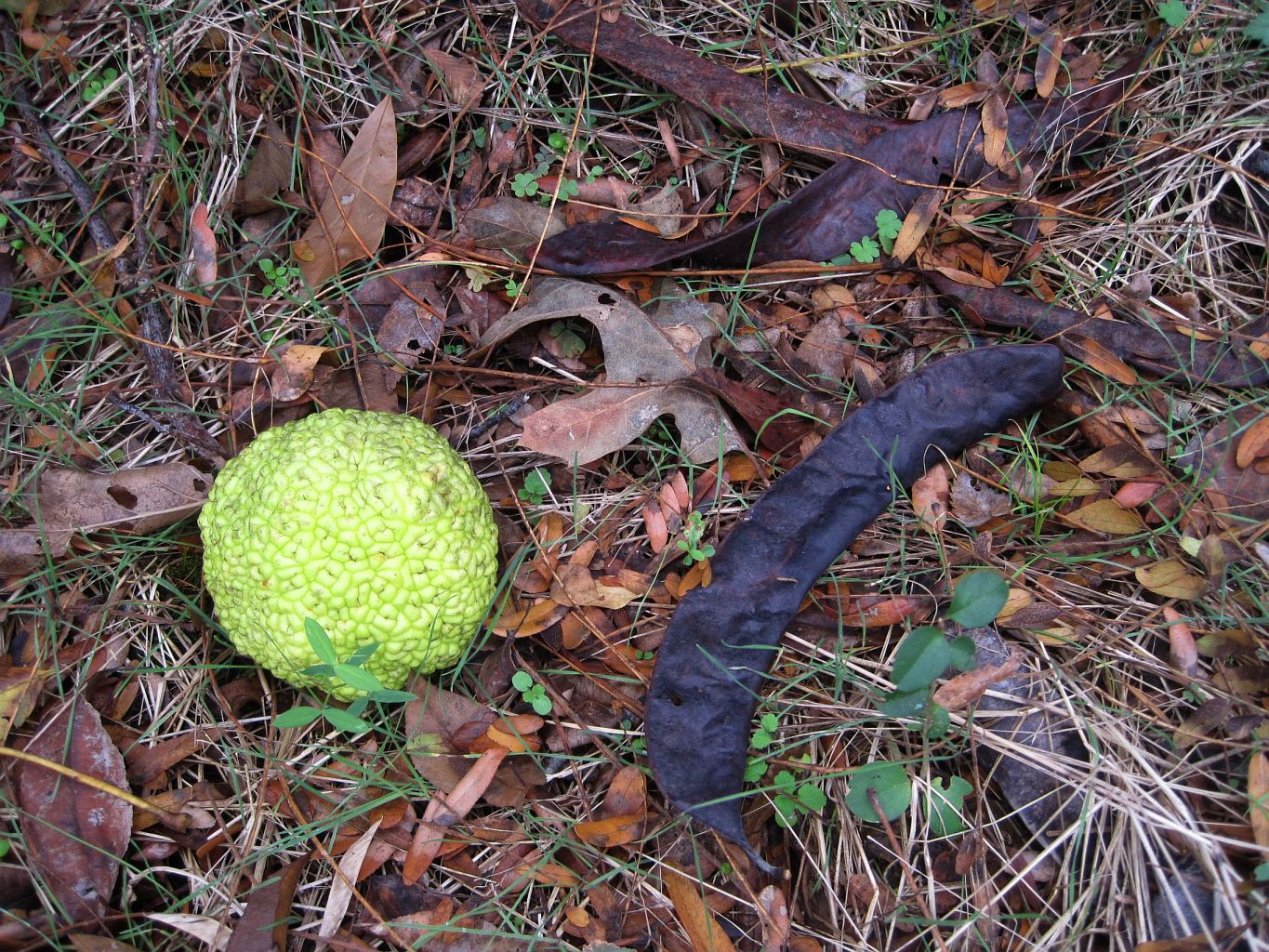
Big Hill Pond is a Tennessee state park in the far southwest of the state, in McNairy County near the small community of Pocahontas. The “area” is the park itself and the rural stretch of county around it — swamp forest along Cypress Creek, a man-made pond, a trail network, and a location close to both the Mississippi state line and Shiloh National Military Park. It is roughly 100 miles from Memphis, well past Memphis’s own suburbs and greenways.
Where exactly is Big Hill Pond, and how far is it from Memphis?
The park sits in McNairy County, in the southwest corner of Tennessee, close to the Mississippi border and not far from Corinth, Mississippi, on the other side of the line. Tennessee State Parks, the state agency that manages the park, lists it in its network of West Tennessee properties. From Memphis the drive runs roughly east and south, largely along US-64 and US-45, and covers around 100 miles — closer to two hours than one.
That distance matters for planning. This is not a park a Memphis resident visits after work, the way they might reach Meeman-Shelby Forest State Park or T.O. Fuller State Park, both of which sit inside or at the edge of Shelby County. Big Hill Pond belongs to a different category: a full day trip, or a weekend with camping built in.
What does the park actually protect?
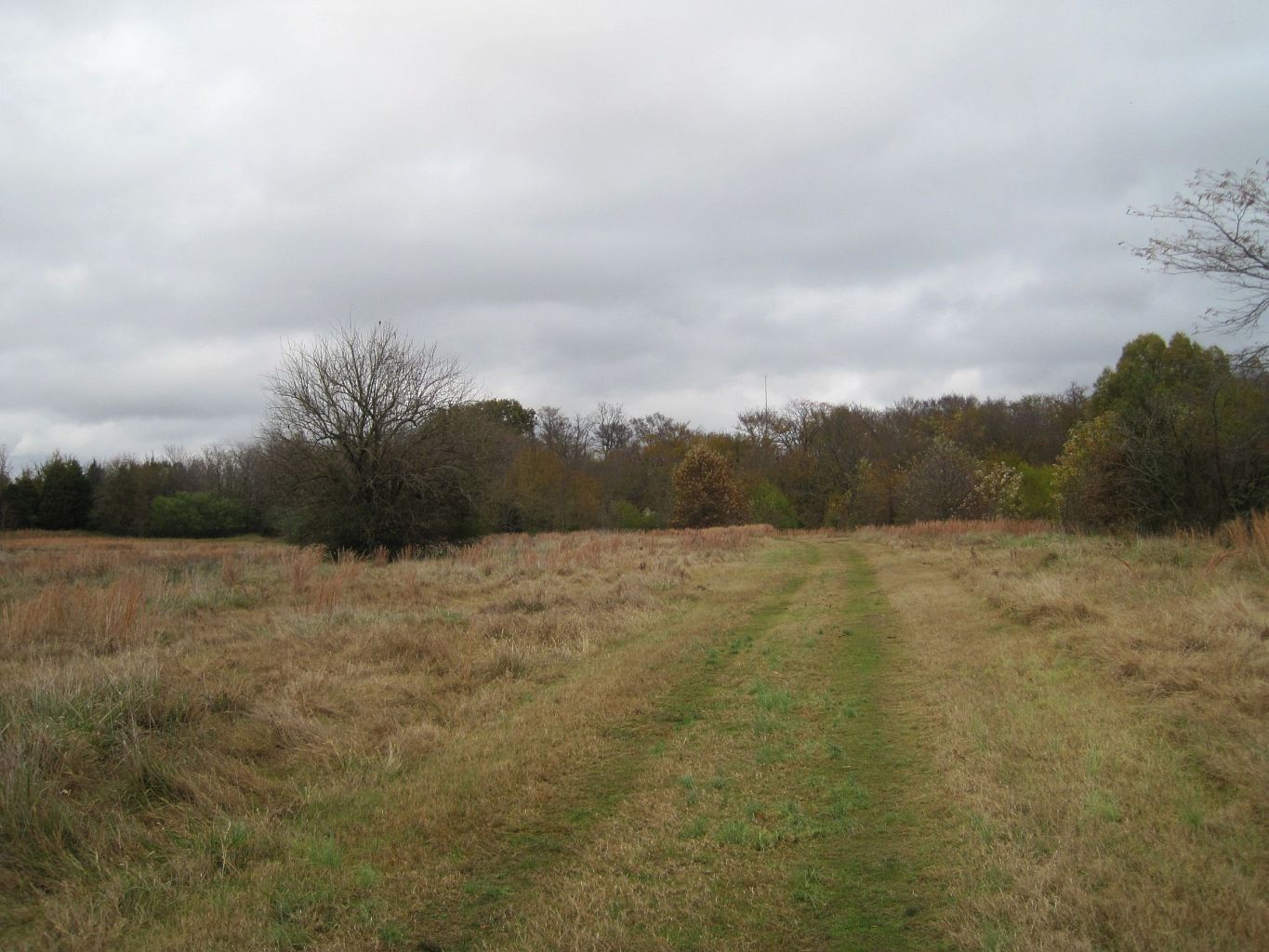
The core of the park is a swamp and wetland system built around Cypress Creek and the pond that gives the park its name. According to Tennessee State Parks’ own description of the property, the landscape combines a shallow, man-made pond with the surrounding bottomland swamp forest — cypress, tupelo, and the kind of standing water that supports beaver activity, wading birds and reptiles rather than the upland hardwood forest more typical of West Tennessee state parks.
This swamp habitat is the park’s defining feature and the reason its trail system is built the way it is, with boardwalk sections and an observation tower positioned to look out over open water and beaver-worked wetland rather than closed canopy. It is a different kind of Tennessee outdoors from the loess bluffs and river terraces closer to Memphis, and closer in character to the wetlands further south and west toward the Delta.
What is there to do at Big Hill Pond State Park?
The park’s programme, per its own listings, centers on a few activities:
- Hiking a network of interconnected trails, including sections that cross the swamp on boardwalk and pass an observation tower over the wetland.
- Fishing the pond itself, subject to Tennessee’s standard fishing license requirements.
- Camping, in both a developed campground with sites for tents and RVs and backcountry sites reached only on foot, for visitors staying overnight rather than day-tripping.
- Picnicking and general day use around the pond and trailheads.
None of this is unusual for a Tennessee state park, and that is the point: Big Hill Pond is a working outdoor-recreation property rather than a landmark with a singular attraction. Readers should treat any specific trail mileage, campsite counts or fees as details to confirm directly with Tennessee State Parks before a visit, since park infrastructure and fee schedules change.

How does Big Hill Pond relate to Shiloh and the Mississippi state line?
Geography does a lot of the explaining here. McNairy County borders Mississippi, and the park is close enough to Corinth, Mississippi, that the two often appear on the same regional day-trip itinerary. It is also within reasonable driving distance of Shiloh National Military Park, the Civil War battlefield the National Park Service administers on the Tennessee River, and not far from the corridor that leads to Pickwick Landing on the river’s Pickwick Lake reservoir.
For a Memphis-based traveler, this puts Big Hill Pond in a cluster of West Tennessee destinations rather than standing alone. A single long day could realistically combine Shiloh’s battlefield sites with a shorter stop at Big Hill Pond, though the driving time between them should not be underestimated — this is rural two-lane road country, not an interstate corridor.
When does the park change through the year?
Like most Tennessee state parks, Big Hill Pond runs on a seasonal rhythm rather than a fixed calendar of events. Spring and fall bring the most comfortable hiking temperatures and are typically the busiest camping windows across the state park system generally. Summer in West Tennessee is hot and humid, and a swamp-forest park intensifies that — insect activity around standing water is heavier in warm months. Winter brings quieter trails and a starker view across the open wetland once deciduous cover drops, though some facilities may run on reduced schedules.
None of these patterns are unique to Big Hill Pond; they describe how West Tennessee’s outdoor spaces generally behave across a year, and the same logic that shapes decisions about other Memphis-area day trips applies here.
Is Big Hill Pond a day trip or a longer stay?
Either is possible, and the honest answer depends on what a visitor wants from the trip. As a pure day trip from Memphis, the roughly two-hour drive each way leaves a workable but not generous window for hiking the swamp trails and observation tower before heading back. Pairing it with Shiloh or Pickwick Landing on the same day is possible but turns the day into mostly driving.
As an overnight, using the park’s own campground, the calculation changes — a visitor gets a full day at Big Hill Pond itself plus time to explore the surrounding McNairy County area, rather than treating the drive as the main event. Residents building a weekend around West Tennessee’s state parks, rather than Memphis’s own riverfront and greenway system covered in Access Memphis’s parks and riverfront coverage, tend to camp rather than day-trip for this reason.
What should a visitor confirm before going?
Because state park fees, campground reservation systems, trail conditions and seasonal closures change, none of that detail belongs fixed on this page. Tennessee State Parks maintains the current operating information, camping reservation system and any fee schedule for Big Hill Pond directly on its own site, and that source should be checked ahead of any visit rather than relied on secondhand.
The same applies to road conditions on the rural approach roads through McNairy County, which can be affected by weather in ways an interstate corridor is not. Broader planning guidance for trips like this — what to expect on West Tennessee’s back roads, how to sequence a day that includes driving time — sits in Access Memphis’s own practical planning hub and its planning and practicalities coverage, both of which treat this kind of out-of-county trip as a genuinely different undertaking from a Memphis city day.
Access Memphis is an independent guide written from published, checkable sources. We have not visited the places described here and we do not publish personal recommendations or invented ‘local favourites’ — where something is singled out as notable, we say who says so. Opening times, fares, closures and prices change at short notice, so treat everything here as a starting point and confirm with the museum, operator or venue directly before building a day around it. We give no advice on visas, insurance, health or safety; use your own government’s official guidance for those.
Featured image: Photo by Thomas R Machnitzki (thomasmachnitzki.com), source, CC BY 3.0
