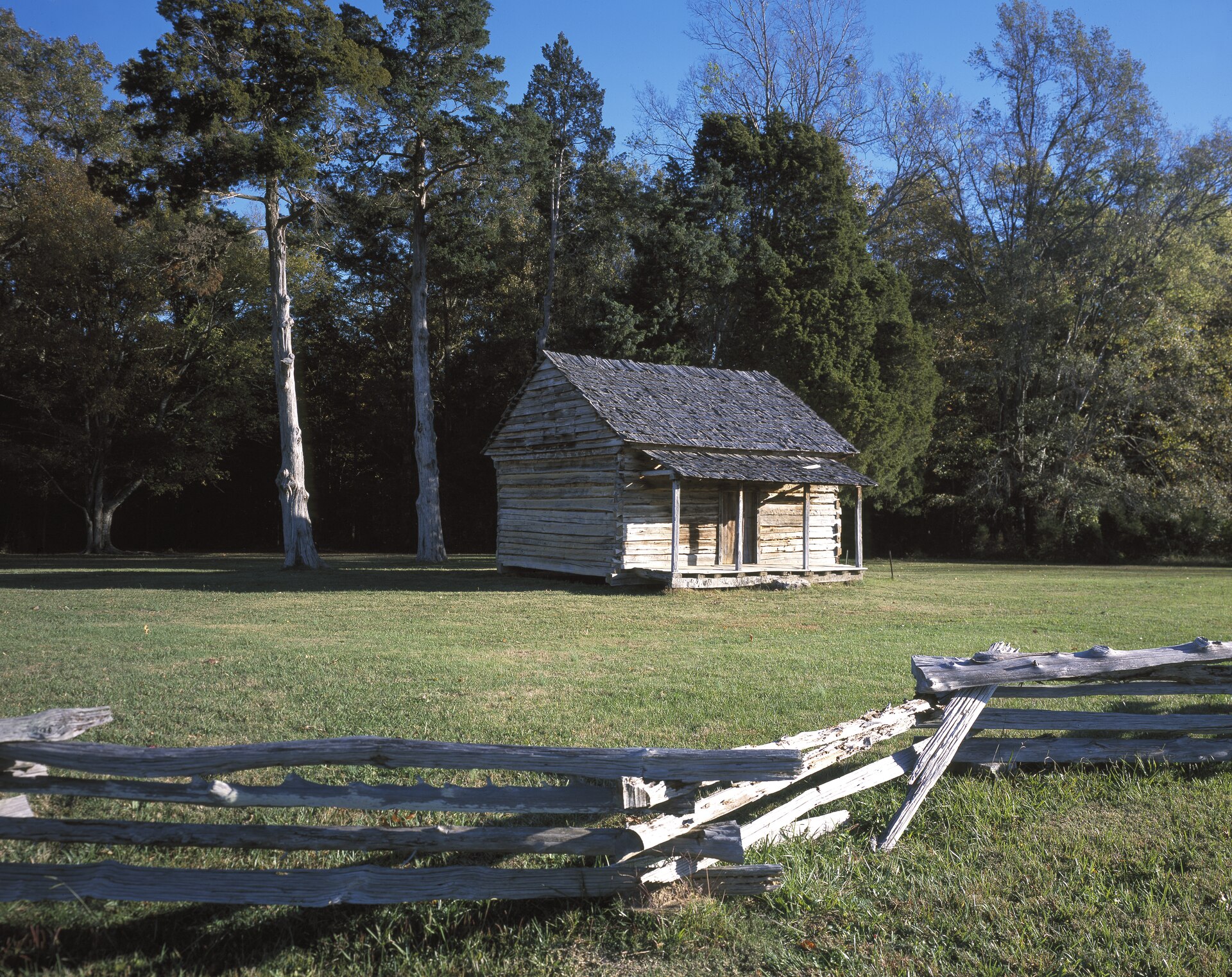
Shiloh National Military Park is a National Park Service site in Hardin County, Tennessee, that preserves the ground where the Battle of Shiloh was fought on April 6 and 7, 1862. It includes a visitor center, a self-guided tour road with monuments, and the Shiloh National Cemetery. It sits about two hours from Memphis by car, near the Tennessee River.
Where exactly is Shiloh, and how far from Memphis?
The park lies on the west bank of the Tennessee River near the community of Shiloh and the small city of Savannah, in Hardin County, in the southwestern corner of the state. From Memphis, the National Park Service’s own directions point drivers along a route through West Tennessee — typically via US-64 through Somerville and Bolivar — covering roughly 100 to 110 miles, about two hours without stops. There is no train or intercity bus service to the park; a car is the only practical way to get there, which puts it in the same category as day trips like Oxford, Mississippi or Holly Springs — reachable, but not a spur-of-the-moment outing without your own vehicle.
What actually happened at Shiloh?
Shiloh was one of the first large-scale battles of the American Civil War. On April 6, 1862, Confederate forces under General Albert Sidney Johnston launched a surprise attack on Union troops commanded by Ulysses S. Grant, who were camped near a small log church called Shiloh Meeting House and a Tennessee River landing known as Pittsburg Landing. Johnston was killed during the first day’s fighting; General P.G.T. Beauregard took Confederate command. Reinforced overnight, Grant’s army counterattacked on April 7 and drove the Confederates back toward Corinth, Mississippi. The National Park Service describes the two days’ combined casualties — killed, wounded, captured and missing — as exceeding 23,000, a scale that shocked both sides at the time and reshaped how the war was fought afterward.
What does the park actually contain?
The park is built around the battlefield itself rather than a single building. According to the National Park Service, it covers roughly 4,000 acres and includes:
- A visitor center with a museum, exhibits on the two-day battle, and an orientation film.
- A tour road with numbered stops corresponding to key positions in the fighting, from the site of the initial Confederate assault to the “Hornet’s Nest” defensive line and the final Union counterattack.
- More than 150 monuments and markers placed over the decades by individual states, veterans’ organizations and the federal government, marking unit positions and commemorating soldiers who fought there.
- Pittsburg Landing on the Tennessee River, the Union supply point that anchored the army’s position during the battle.
The park was established by an act of Congress in December 1894, making it one of the earliest national military parks created in the United States — a designation the National Park Service traces to a deliberate late-19th-century effort by veterans of both armies to preserve major Civil War battlefields for study and commemoration rather than leave them to development.
What is the Shiloh National Cemetery?
The Shiloh National Cemetery sits within the park, established in 1866 to consolidate Union burials from the battlefield and from nearby engagements. The National Park Service records more than 3,000 interments there, a substantial share of them listed as unknown. It is a working national cemetery in the sense that it remains under federal protection and maintenance, not a memorial garden open to new interments in the way a municipal cemetery would be. Confederate dead were largely buried in mass graves elsewhere on the battlefield rather than in the national cemetery, a distinction the park’s own interpretive materials address directly.
Is there a related site in Corinth, Mississippi?
Yes. Shiloh National Military Park administers a second unit roughly 20 miles south, in Corinth, Mississippi — the Corinth Civil War Interpretive Center. Corinth was a critical Confederate rail junction, and its capture by Union forces shortly after Shiloh, followed by fighting there later in 1862, is treated by the National Park Service as part of the same campaign. The Corinth unit has its own visitor center and grounds and is covered under the same park administration, though it is a separate stop requiring its own drive.
How is a visit to Shiloh actually organized?
The park functions like most National Park Service military parks: a visitor center as the starting point, a driving tour with marked stops, and walking trails at several of those stops for closer viewing of terrain and monuments. Hours, any entrance fees, and seasonal ranger programs are set and changed by the National Park Service itself, so specific figures are best confirmed directly on the park’s own site at nps.gov/shil before planning a trip, rather than relied on secondhand. The site notes that the park is open most days of the year with the exception of a small number of federal holidays, but exact current hours should always be checked on the operator’s page.
Is this a Civil War site or a civil-rights site?
Shiloh National Military Park has no connection to the civil-rights history associated with Memphis itself. It commemorates an 1862 Civil War battle, nearly a century before the events tied to Dr. Martin Luther King Jr.’s assassination at the Lorraine Motel or the 1968 sanitation workers’ strike. Readers looking specifically for that history, rather than Civil War history, are better served by a Memphis day built around civil-rights history, which covers sites inside the city with a direct record of that period.
Is Shiloh worth building a day around from Memphis?
That is a question of interest, not of quality, and the park’s own materials do not frame it as a “must.” What can be said plainly: it is a large outdoor site with limited built infrastructure, best suited to a full day rather than a quick stop, and it depends entirely on a car — there is no way to see it as part of a car-free Memphis itinerary. Readers weighing whether to make the drive are better served by the practical shape of the trip than by a sales pitch, which is covered in general terms on the site’s Memphis practical planning hub and in the broader day trips from Memphis archive. For context on car dependency around Memphis generally, see whether you actually need a car in Memphis. Other Civil War and landmark sites within the region are gathered in the landmarks and sights archive.
What should residents know that visitors might not?
For people living in Memphis or West Tennessee, Shiloh functions less as a bucket-list stop and more as a recurring destination — a place suited to a quiet weekday visit, a school trip, or a stop en route to somewhere else in the region, since it sits roughly on a line between Memphis and Nashville rather than off to one side. The National Park Service’s America the Beautiful annual pass, sold at park entrances and through the NPS online store, covers entrance fees at multiple federal sites including Shiloh, which matters more to a repeat visitor than to someone making a single trip. Broader questions about how the wider Memphis region actually operates, day to day, are addressed in the site’s Living in Memphis hub.
Access Memphis is an independent guide written from published, checkable sources. We have not visited the places described here and we do not publish personal recommendations or invented ‘local favourites’ — where something is singled out as notable, we say who says so. Opening times, fares, closures and prices change at short notice, so treat everything here as a starting point and confirm with the museum, operator or venue directly before building a day around it. We give no advice on visas, insurance, health or safety; use your own government’s official guidance for those.