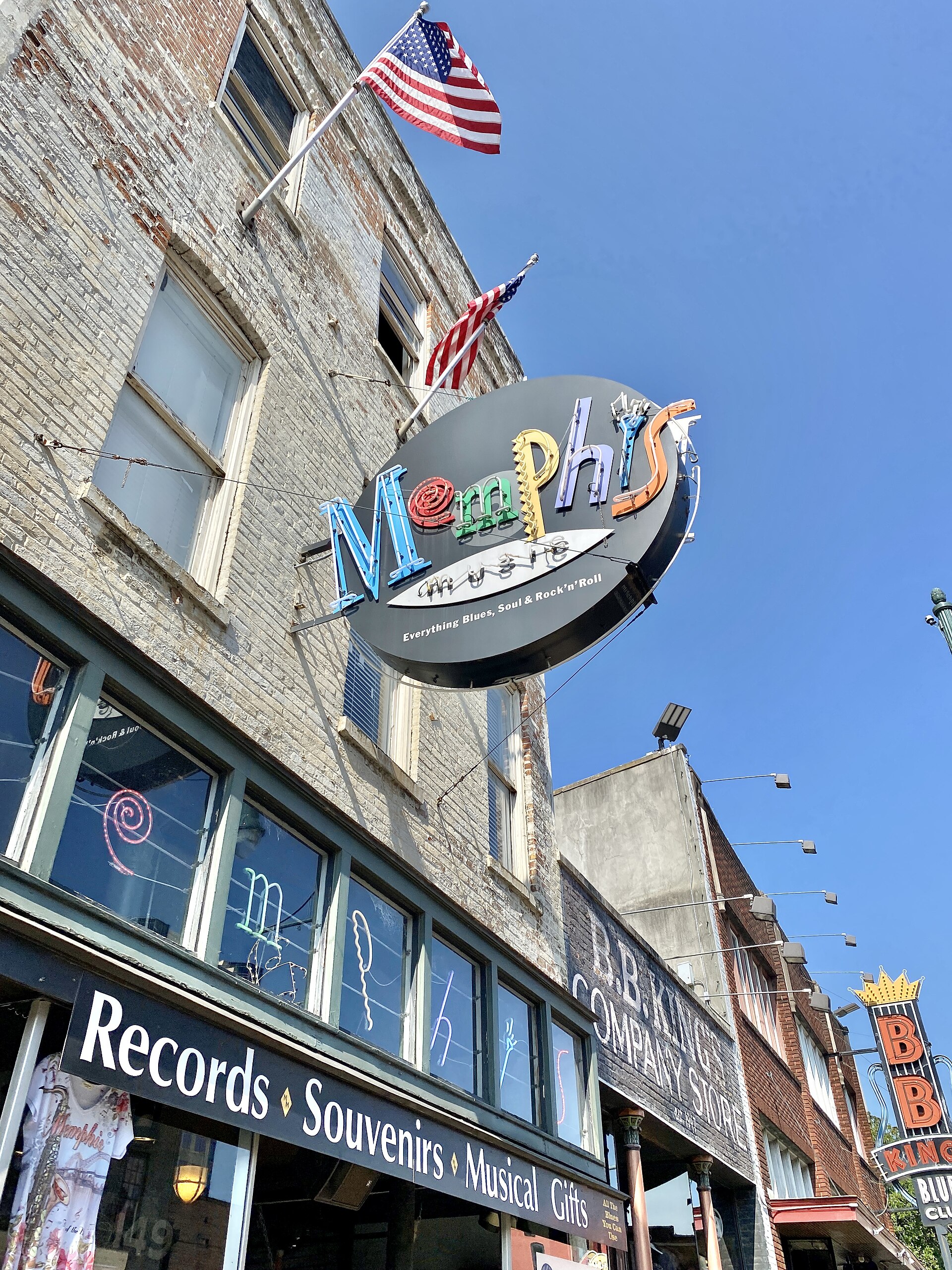
In December 2010, the Memphis City Schools board voted to surrender its charter, a move confirmed by city voters in a March 2011 referendum. Under Tennessee law that surrender forced a legal merger with Shelby County Schools, the separate district that served the suburbs. The unified system lasted one school year before six suburban towns split off to run their own districts — the arrangement still in place today.
Why did Memphis City Schools surrender its charter?
The Memphis City Schools board’s surrender vote was a defensive move, not an administrative tidy-up. Coverage at the time by the Commercial Appeal and later analysis by Chalkbeat Tennessee describe a school board that believed the Tennessee General Assembly, newly Republican-controlled after the 2010 elections, would soon pass legislation letting Shelby County’s suburban municipalities break away and form their own school districts if the two systems ever merged on the suburbs’ terms.
Some board members argued that surrendering the city charter first would force an immediate, full merger with Shelby County Schools before any law could carve the suburbs back out — giving Memphis students access to the county system’s broader tax base while the merger was still whole. Others on the board opposed the move. The referendum that followed put the question to Memphis voters directly, and it passed decisively.
How did Shelby County Schools respond to the merger?
Shelby County Schools, and several suburban city governments, challenged the merger in federal court, arguing the timeline set by state law was unconstitutional. The case was heard by U.S. District Judge Samuel “Hardy” Mays, whose rulings largely allowed the merger to proceed. A single, unified Shelby County Schools district took over instruction for the entire county — Memphis and the suburbs together — beginning with the 2013–2014 school year.
That unified year turned out to be transitional rather than permanent. While it was underway, the state legislature passed a general law allowing any Tennessee county that had recently undergone a school district merger to let its municipalities hold local referenda on forming their own municipal school districts. That law was written broadly enough to survive the constitutional objections raised against an earlier, Shelby-County-specific version of the same idea.
Why did the suburbs form their own districts?
Six Shelby County municipalities — Germantown, Collierville, Bartlett, Lakeland, Arlington and Millington — held referenda under that law, and voters in each approved forming a separate municipal school district rather than remaining inside the countywide system. Judge Mays’s court allowed those new districts to stand up starting with the 2014–2015 school year, splitting the briefly unified system apart again after a single year.
Readers wanting the mechanics of how the suburban towns differ from each other and from Memphis proper can find background on Germantown and on Collierville’s town square and civic layout, and a direct comparison in how Memphis, Germantown and Collierville actually differ.
,_Beale_Street,_Memphis,_TN_(53700396148).jpg)
What does the district map look like today?
Shelby County Schools remains the large countywide district, but its territory today is Memphis proper and the unincorporated parts of the county — not the six municipalities that broke away. Each of those six towns runs its own independent school district, with its own school board, superintendent and attendance zones, separate from Shelby County Schools’ administration.
That means a family’s zoned school district in Shelby County now depends on which municipality they live in, not just which county. A resident of unincorporated Cordova or a Memphis neighborhood answers to Shelby County Schools; a resident of Germantown, Collierville, Bartlett, Lakeland, Arlington or Millington answers to that town’s own district. The site’s fuller explanation of how the Memphis and Shelby County school system works today covers zoning, charter schools and enrollment mechanics in more detail than the merger history alone can.
What did the merger actually change for families?
For a family living inside Memphis city limits, the practical effect was a change of administration rather than a change of school building in most cases — the same school often continued operating, now under Shelby County Schools rather than the former Memphis City Schools. Shelby County Schools’ own site is the current authority on district boundaries, school assignments and enrollment, and is the source to check directly rather than relying on secondhand summaries, including this one.
For families in the six municipalities, the effect was more structural: a new, separate district with its own budget, tax support and governance, built from scratch starting in the 2014–2015 school year. Coverage of Memphis schools by Chalkbeat Tennessee has tracked outcomes and funding differences between the districts in the years since, and is a reasonable place to look for current, sourced reporting rather than a fixed verdict repeated here.
Why does this history matter for anyone thinking about living here?
The 2011–2014 merger and split is the reason Shelby County’s school map looks the way it does now, and it is a recurring point of reference in conversations about where to live in the metro area. Housing costs, tax rates and school-district lines are tied together in Shelby County in a way that predates the merger but was reshaped by it. The site’s broader guide to why housing in Memphis is cheaper than the national average and its overview of the cost of living in Memphis, with sources both touch on how school district lines factor into where people choose to settle.
For a wider sense of how neighborhoods and suburbs fit together as places to actually live, the guide to Memphis neighborhoods and the Living in Memphis archive cover ground the merger history alone does not — daily life, commuting patterns and household costs across the districts this split created.
Where to check current, sourced detail
Shelby County Schools publishes its own district boundaries, enrollment procedures and current data directly, and is the primary source for anyone making a decision based on which school a given address is zoned for. The six municipal districts — Germantown Municipal Schools, Collierville Schools, Bartlett City Schools, Lakeland School System, Arlington Community Schools and Millington Municipal Schools — each publish the same kind of information for their own boundaries. None of that detail is fixed for long enough to summarize safely here; it belongs on the operator’s own site, checked at the time it is needed.
The broader Living in Memphis hub is the starting point for how these district lines interact with housing, commuting and daily life across the metro area, for readers weighing a move rather than a visit.
Access Memphis is an independent guide written from published, checkable sources. We have not visited the places described here and we do not publish personal recommendations or invented ‘local favourites’ — where something is singled out as notable, we say who says so. Opening times, fares, closures and prices change at short notice, so treat everything here as a starting point and confirm with the museum, operator or venue directly before building a day around it. We give no advice on visas, insurance, health or safety; use your own government’s official guidance for those.
Featured image: Photo by Warren LeMay from Chicago, IL, United States, source, CC BY-SA 2.0
.jpg)