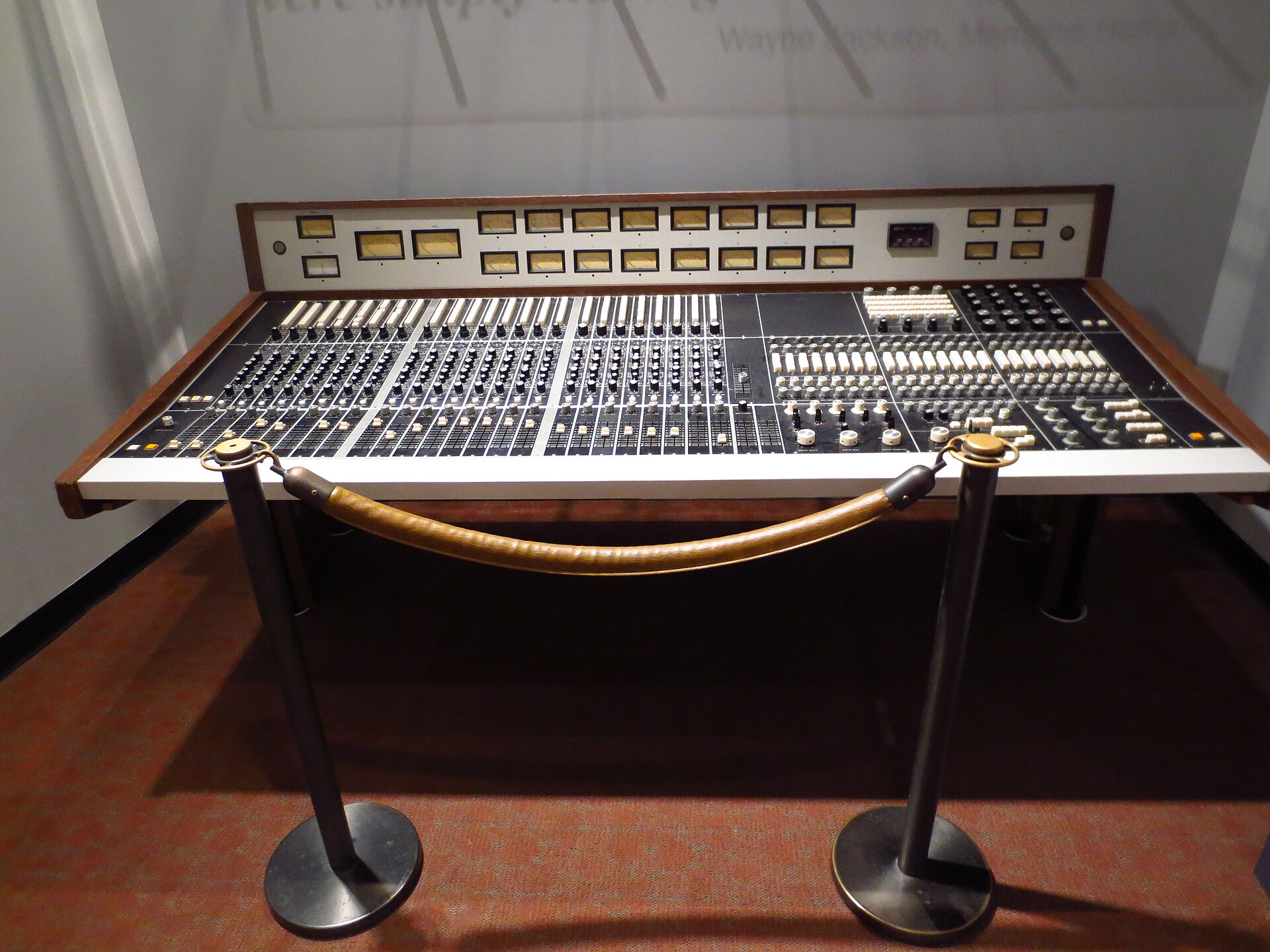
The Memphis Rock ‘n’ Soul Museum is a Smithsonian-affiliated history museum in downtown Memphis that tells one specific story: how Black and white musical traditions in the Mid-South — blues, gospel, country and rhythm and blues — merged in the 1950s and 1960s into rock and roll and soul. It is not a former recording studio or an artist’s home; it is a curated, chronological explanation of how that happened.
Where is the museum located?
The museum sits adjacent to FedExForum in downtown Memphis, a short walk from the Beale Street Historic District. The museum’s own site lists its current address and should be checked directly, since museums do occasionally relocate within a city block or renumber an entrance. It is within the same downtown core as Sun Studio and the National Civil Rights Museum, though those are separate institutions with separate ticketing.
What does the collection actually contain?
The core of the museum is an audio-guided walk through roughly a century of regional music history, using period recordings, artifacts and archival photography rather than performance or reenactment. According to the museum’s own description of its holdings, exhibits move from field recordings and sharecropper-era music through the growth of Beale Street as a Black commercial and entertainment district, into the independent record labels — Sun, Stax and Hi among them — that recorded in Memphis during the 1950s through 1970s.
Artifacts on display include instruments, stage wardrobe, original 45s and album art, and business records from the labels themselves. The museum’s stated emphasis, in its own materials, is on the social conditions — segregation, radio, cotton economics, migration — that produced the music, not simply the music as entertainment.
How is the exhibit organized?
Visitors follow a numbered, self-paced audio tour, entering data on a handset at marked stops to hear narration and period recordings tied to that section of the gallery. This structure is described on the museum’s own site and is the reason the visit is timed in hours rather than minutes — the content is meant to be listened to, not skimmed past display cases.
A recurring feature noted by the museum itself is a bank of working jukeboxes loaded with selections from the era under discussion in that gallery, allowing visitors to choose tracks rather than hear a single fixed loop.


How is the museum connected to the Smithsonian Institution?
The museum grew out of research originally developed for a Smithsonian Institution traveling exhibition on the social and racial crossroads of Southern music, built from oral history and archival work carried out in Memphis. The Memphis Rock ‘n’ Soul Museum is listed as a Smithsonian Affiliate, meaning it has a formal collaborative relationship with the Smithsonian rather than being a branch of it. The museum’s own history page and the Smithsonian Affiliations program’s public listing both confirm this relationship and are the sources to check for the exact terms of it.
How does it differ from Stax, Sun Studio and Graceland?
These four Memphis music sites are frequently confused because they cover overlapping decades and artists, but they are structurally different things:
- The Rock ‘n’ Soul Museum is a social-history museum with no working studio or original site of recording.
- The Stax Museum of American Soul Music stands on the site of the original Stax recording studio in the Soulsville neighborhood and is built around that label specifically.
- Sun Studio is a working recording studio and the actual room where early rock and roll and rockabilly sessions were recorded.
- Graceland is Elvis Presley’s former home, preserved as a house-museum rather than a genre history.
Read together, the four cover a wide arc — Graceland is biography, Sun and Stax are specific studio histories, and the Rock ‘n’ Soul Museum is the connective explanation of how the broader musical and social shift happened across the city.
What about the Memphis Music Hall of Fame?
The Memphis Rock ‘n’ Soul Museum’s operating organization also runs the Memphis Music Hall of Fame, a separate induction exhibit on Beale Street honoring Memphis-connected musicians, producers and songwriters. Where the two institutions share ticketing, combined admission, or operating hours, that detail changes and is stated on the museum’s own site rather than repeated here.
What should visitors know about tickets and hours?
Specific ticket prices, opening hours and any seasonal closures are set by the museum and change periodically, so they are not reproduced here as fixed figures. What is durable: as a self-guided audio-tour museum, it is generally visited in a single continuous session rather than dipped into briefly, and — like many Memphis museums — it may have adjusted hours around major holidays. Confirm current hours and admission on the museum’s own site before planning around it.
For a wider sense of how this museum fits into a downtown day alongside Beale Street, FedExForum events and the riverfront, see the Memphis practical guide and the Memphis guide hub for museums, landmarks and neighborhoods.
Why does this museum matter to Memphis itself, not just to visitors?
For a city that markets itself internationally on its music history, the Rock ‘n’ Soul Museum functions as an argument, not just an exhibit: that Memphis’s specific pattern of segregation, radio broadcasting and independent Black-owned and integrated businesses produced a musical crossover that could not have happened the same way elsewhere. That claim belongs to the museum and to the Smithsonian-affiliated research behind it, and it sits alongside — rather than replaces — the harder civil rights history documented at the National Civil Rights Museum at the Lorraine Motel, a few blocks away.
Residents researching Memphis’s own civic and cultural history, and readers building an itinerary around the city’s museums generally, can find related institutions listed in the Museums & Galleries archive and the Landmarks & Sights archive. For a broader sense of how downtown, Midtown and the riverfront fit together as a city rather than a tour route, the Living in Memphis hub covers the parts of the city built around daily life rather than visitor attractions.
Access Memphis is an independent guide written from published, checkable sources. We have not visited the places described here and we do not publish personal recommendations or invented ‘local favourites’ — where something is singled out as notable, we say who says so. Opening times, fares, closures and prices change at short notice, so treat everything here as a starting point and confirm with the museum, operator or venue directly before building a day around it. We give no advice on visas, insurance, health or safety; use your own government’s official guidance for those.
Featured image: Photo by mr_t_77 from WV, USA, source, CC BY-SA 2.0
