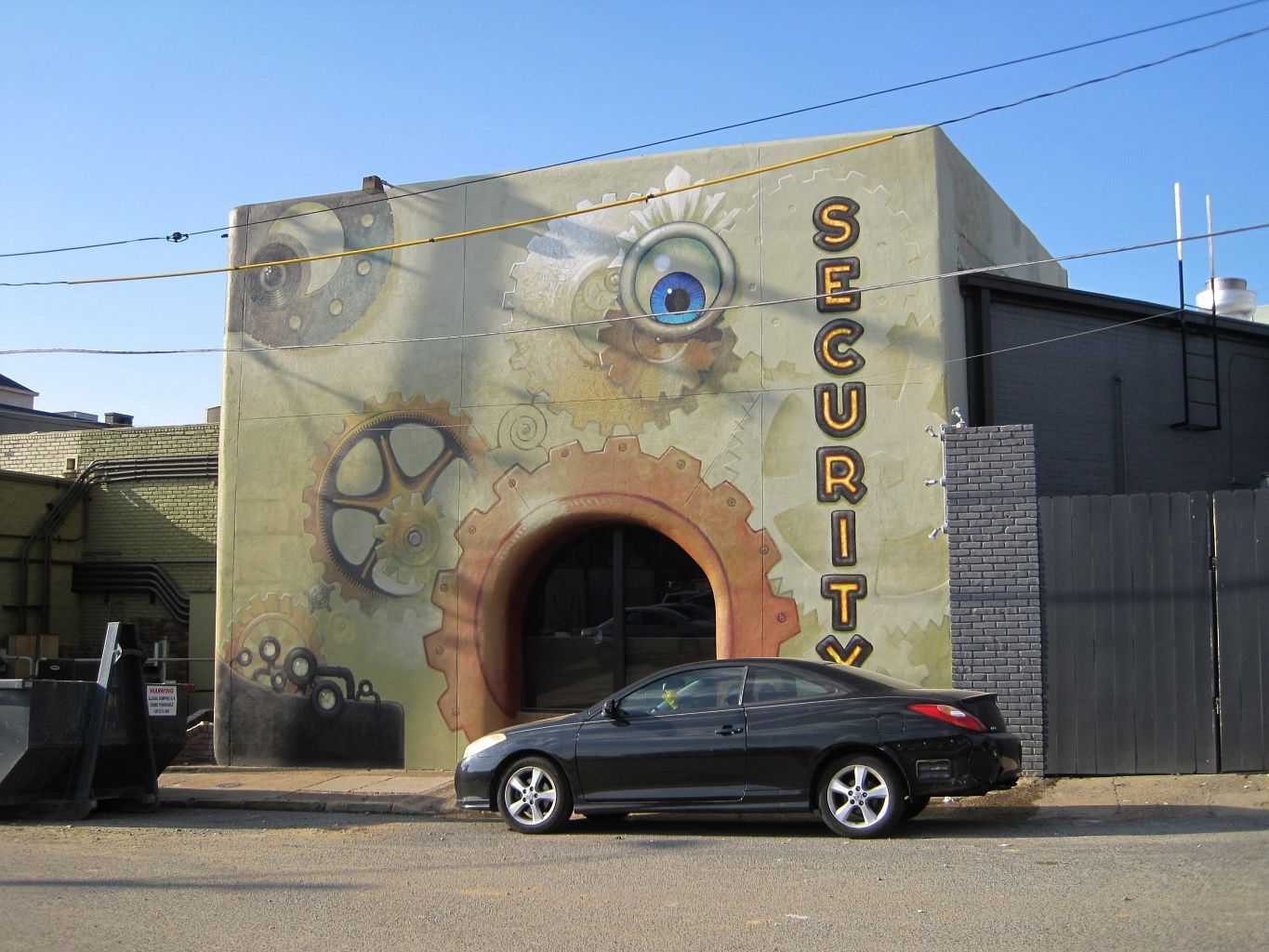
Overton Square is a small entertainment and dining district in Midtown Memphis, centered on the intersection of Madison Avenue and Cooper Street. It was built as one of the city’s first purpose-made entertainment blocks in the early 1970s, went dark for much of the 1980s and 90s, and has operated since around 2012 under new ownership as a compact cluster of theaters, restaurants and a cinema.
Where is Overton Square located?
Overton Square sits in Midtown Memphis, roughly two miles east of Downtown, at Madison Avenue and Cooper Street. It is a short walk from Overton Park and adjoins the Cooper-Young neighborhood to the south. The district itself covers only a few blocks — it is a corner of Midtown, not a large zone, and can be crossed on foot in a few minutes.
Does Overton Square share a name with Overton Park?
Yes, and they are separate places named for the same person. Both take their name from John Overton, a Tennessee judge and one of the three founders of Memphis in 1819, along with Andrew Jackson and James Winchester. Overton Park, home to the Memphis Zoo and the Levitt Shell, is the larger green space nearby; Overton Square is the commercial district a short distance away. Visitors sometimes assume they are the same location because of the shared name — they are not.
How did Overton Square start?
Overton Square was developed in the early 1970s as a deliberate entertainment district, built around a strip of small theaters, restaurants and shops aimed at a Midtown crowd rather than at Downtown or the interstate traveler. It became closely associated with two theater companies that still anchor the district today: Playhouse on the Square and its sister venue, Circuit Playhouse, both part of a nonprofit theater organization that has operated continuously in Memphis since the early 1970s, according to the company’s own history.
What happened to it in the 1980s and 90s?
Overton Square went into a long commercial decline through the 1980s and into the 1990s, as businesses closed and foot traffic dropped off — a pattern documented in local histories of Midtown Memphis and consistent with wider urban disinvestment in American downtowns and inner-ring commercial strips of the period. By the 2000s much of the original retail footprint sat vacant or underused, even as the surrounding Midtown residential blocks remained occupied.
How was Overton Square redeveloped?
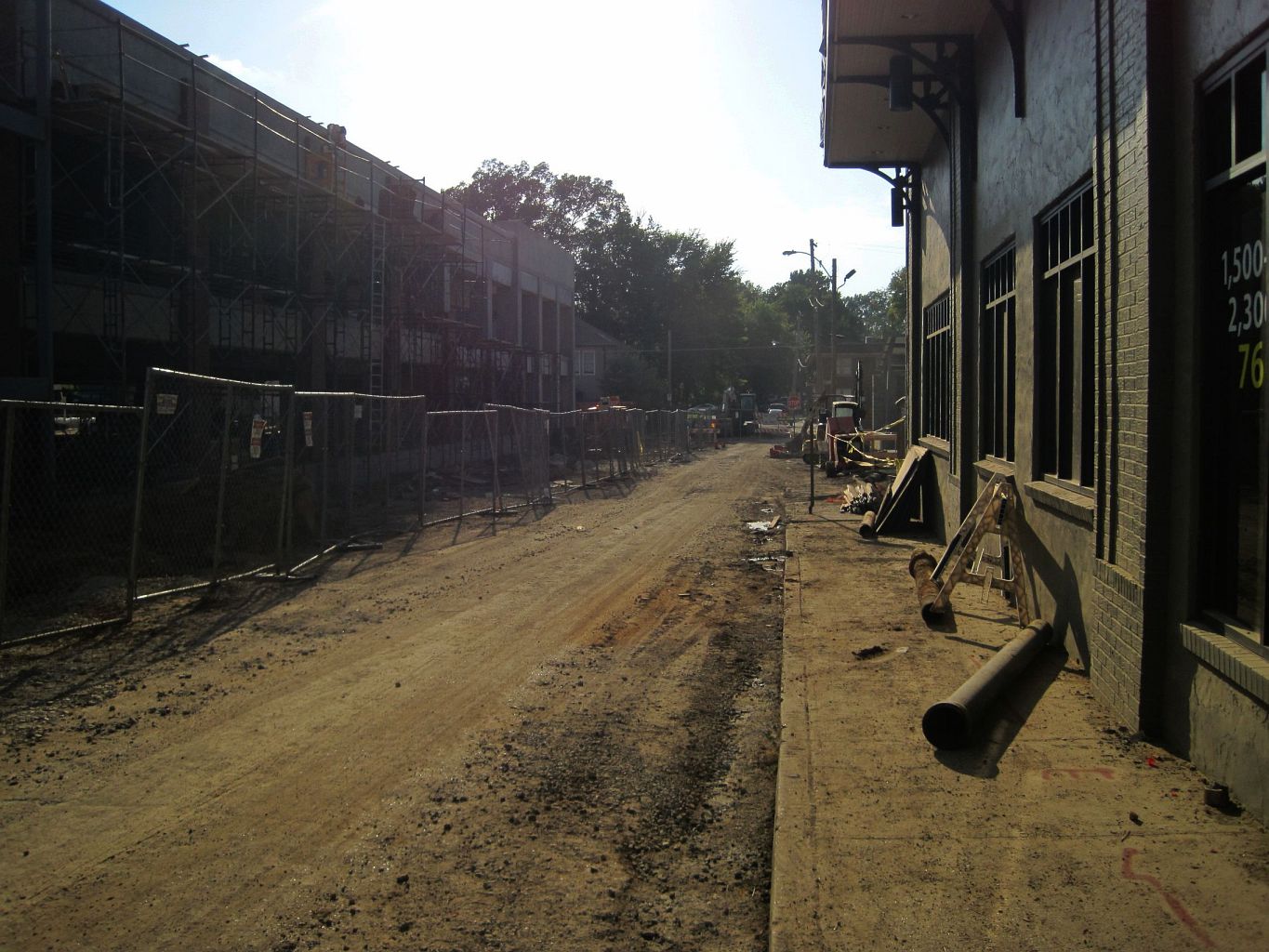
The current version of Overton Square dates to a redevelopment beginning around 2011–2012, led by the Memphis real estate firm Loeb Properties, which acquired and rebuilt much of the district’s commercial core. The redevelopment kept the existing theater buildings in place and added new restaurant and retail space around them, along with a public green space used for outdoor events. Loeb Properties describes the project on its own site as a mixed-use redevelopment rather than a from-scratch build, which is consistent with how much of the original 1970s-era building stock was retained.

What theaters and venues are in Overton Square today?
The district’s theatrical core predates the redevelopment and remains its most distinctive feature. Two companies operate there:
- Playhouse on the Square — a nonprofit professional theater company, one of the older continuously operating theater organizations in the city.
- Circuit Playhouse — the company’s second stage, used for a separate season of productions.
A Malco-branded cinema, part of the regional Malco Theatres chain headquartered in Memphis, also operates within the district, screening a mix of first-run and independent film. Beyond the theaters, the redeveloped blocks hold a rotating set of restaurants and bars typical of a small urban entertainment district — the specific businesses change over time, and current operators are best confirmed on Loeb Properties’ own leasing pages or the district’s listings rather than assumed from older write-ups.
Is Overton Square worth visiting, and for what?
That judgment belongs to the reader, not to this page — but the pattern is worth stating plainly. Overton Square functions as a theater-and-dining district rather than a historical site or museum stop. Someone planning an evening around a Playhouse on the Square or Circuit Playhouse production, or wanting a Midtown alternative to Downtown’s Beale Street corridor, is the audience the district is built for. It is not a substitute for a visit to Beale Street, and it holds no equivalent to a museum collection — anyone building a museum-focused day should look instead at the city’s museums and galleries.
How does Overton Square fit into Midtown Memphis?
Overton Square is one anchor point in a Midtown pattern that also includes Overton Park, the Cooper-Young commercial strip, and the Victorian-era houses of Victorian Village further west. Midtown as a whole reads differently from Downtown Memphis: it is walkable in individual pockets rather than as one continuous corridor, and residents tend to treat districts like Overton Square as neighborhood amenities rather than tourist stops. The redevelopment of Overton Square in the 2010s runs parallel to other adaptive-reuse projects in the city, most notably the much larger conversion covered in what Crosstown Concourse is, and what the building was before — both cases of Memphis converting an underused mid-century commercial building rather than demolishing it.
How do you get to Overton Square?
Overton Square is most commonly reached by car or rideshare from Downtown or the airport, with parking generally available on-site or on surrounding streets; current parking arrangements are set by the district’s management and worth checking directly before a visit. It is not directly served by a fixed-rail line — anyone planning a Memphis trip around public transit should read the city’s getting around Memphis coverage for how the bus network and trolley lines actually connect Downtown to Midtown, and consult the transit operator’s own site for current routes.
What should a resident know that a visitor might not?
For people living in Midtown, Overton Square functions less as a destination and more as a recurring option: a place to catch a theater season, meet at a restaurant within walking distance of the neighborhood, or pass through en route to Overton Park. Its practical rhythms — which restaurants are open on a given night, when a theater season starts, how parking gets handled during a busy show weekend — shift often enough that they are better checked on the individual venues’ own sites than assumed from any single article. Broader context on how Midtown living compares to other parts of the city is covered in the site’s living in Memphis guide, and a wider view of how Memphis’s neighborhoods relate to one another is in the neighbourhoods archive. Anyone building a full visit itinerary around Midtown, Downtown and the riverfront should start with the practical planning hub.
Access Memphis is an independent guide written from published, checkable sources. We have not visited the places described here and we do not publish personal recommendations or invented ‘local favourites’ — where something is singled out as notable, we say who says so. Opening times, fares, closures and prices change at short notice, so treat everything here as a starting point and confirm with the museum, operator or venue directly before building a day around it. We give no advice on visas, insurance, health or safety; use your own government’s official guidance for those.
Featured image: Photo by Thomas R Machnitzki (thomasmachnitzki.com), source, CC BY 3.0
