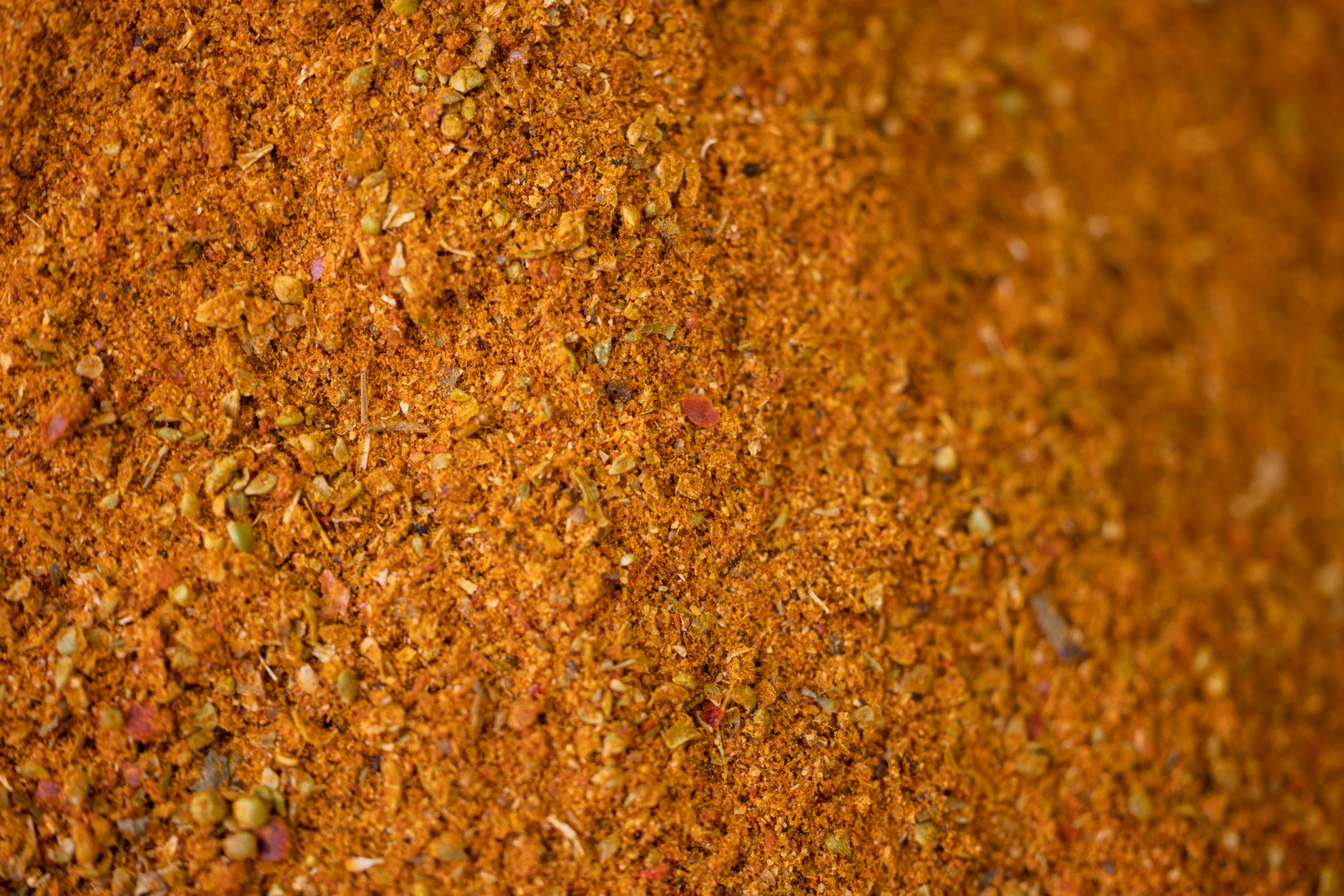
A dry rub is a mixture of spices — typically some combination of paprika, black pepper, cayenne, garlic, salt and other seasonings — applied directly to meat before and sometimes after smoking, with no sauce involved. Memphis is identified with it because dry-rubbed ribs, alongside sauced “wet” ribs, are one of the city’s two defining rib styles, both widely documented in barbecue writing and competition rules.
What exactly is a dry rub?
A dry rub is a spice blend rubbed into meat — most commonly pork ribs — before it goes into the smoker. It forms a crust as the meat cooks, sometimes called “bark,” and the ribs are served without barbecue sauce. Some pitmasters apply a second, lighter dusting of the rub after cooking, just before serving.
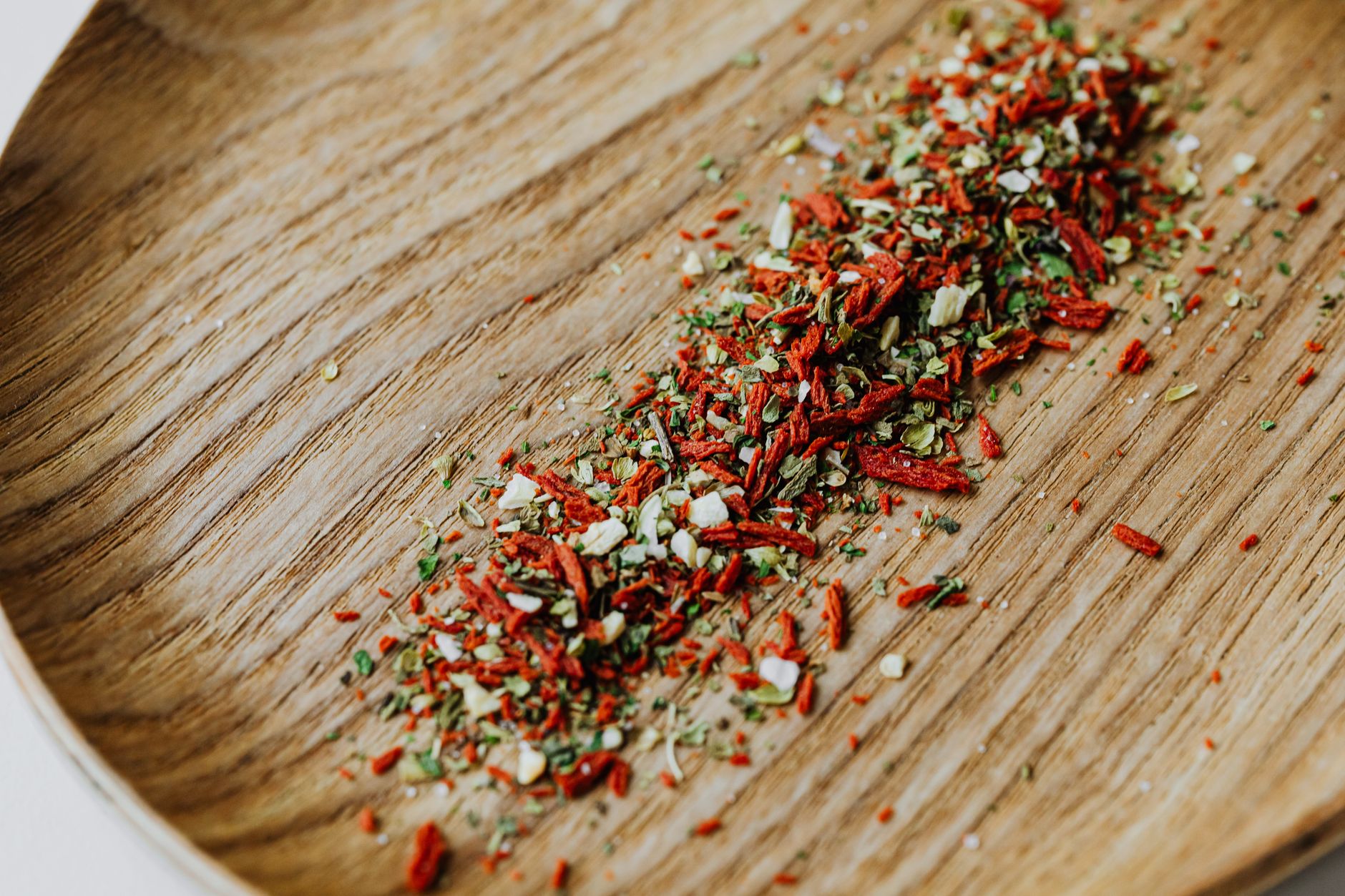
The exact blend is proprietary to each restaurant and is treated as a trade secret in the same way a stock reduction or a spice house’s coffee blend might be. Published accounts of Memphis barbecue consistently name paprika, cayenne, black pepper, garlic powder and salt as base components, with individual pitmasters varying proportions and adding further ingredients. No single “official” recipe exists; it is a category of preparation, not one dish.
How is a dry rub different from a wet rib?
A wet rib is cooked and then coated, basted or dipped in barbecue sauce, either during cooking or at the table. A dry rib relies on the spice crust alone, though sauce is usually available on the side for anyone who wants it. Both are common in Memphis, often from the same kitchen.
The distinction is about finish, not about the meat itself. Both styles typically start with the same cut of pork ribs and the same slow-smoking process. What changes is what happens in the final stage: a sauce glaze for wet ribs, or nothing but the rub for dry ones. For a broader look at how Memphis barbecue differs from other regional styles — including the city’s emphasis on pork over beef brisket — see What Is Memphis Barbecue, and How Is It Different?
Why is Memphis specifically known for dry rub?
Memphis is one of the reference points in American barbecue writing for pork ribs served with a dry spice crust rather than sauce, alongside its wet-rib tradition. This is a matter of long-standing local practice and food journalism rather than a rule set by any single body — there is no governing authority that certifies “Memphis barbecue,” and no restaurant owns the term.
What is documented and checkable is the scale of the city’s public commitment to barbecue as a civic identity. The Memphis in May festival — the city’s own account of which is available on its official site — has staged the World Championship Barbecue Cooking Contest since 1978, drawing competition teams from across the country to Tom Lee Park on the riverfront. That contest judges pork categories including ribs, and it is one of the largest events of its kind in the country by its own organisers’ account. Its existence and scale are a large part of why “Memphis barbecue” functions as a recognised category at all. Read more about the contest itself at What Is the World Championship Barbecue Cooking Contest?
Where does the dry rub tradition come from?
Barbecue historians and food writers, including those cited in the Southern Foodways Alliance’s oral history collections and in national food journalism, generally trace Memphis rib culture to mid-20th-century pitmasters working in the city’s Black-owned barbecue restaurants, several of whom are credited in published profiles with popularising the dry-rub style locally before it spread more widely. Memphis barbecue writing frequently ties this history to the city’s position as a Mississippi River port and rail hub, which brought spice trade routes and a large hog-processing industry into contact with African American culinary traditions carried north through the Delta.
This is a case where the site can point to the general, well-documented pattern — a style rooted in specific restaurant kitchens, refined and passed down over decades — without inventing a precise, unbroken lineage that no single source can verify. Individual restaurant histories differ, and claims about who “invented” the dry rub vary between sources; readers researching a specific restaurant’s account of its own history should treat that restaurant’s own telling as one source among several, not settled fact.
Is dry rub only used on ribs?
No. Dry rubs are also used on other smoked meats sold in Memphis barbecue restaurants, including pork shoulder before it is pulled and, at some kitchens, chicken. Ribs are simply where the wet-versus-dry distinction is most consistently discussed in food writing, because a slab is usually ordered as one style or the other, whereas pulled pork is more often served with sauce added afterward regardless of any rub used during cooking.
A “plate” in Memphis barbecue terms usually refers to a full meal — meat, two sides, and often bread — while a “rack” or “slab” refers to a full set of ribs. Both terms recur across the city’s barbecue menus and are covered in more detail in the barbecue explainer linked above.
Does the sauce or rub matter for how Memphis barbecue is judged?
At competition level, yes: the World Championship Barbecue Cooking Contest’s own categories separate whole hog, shoulder, and ribs, and rib entries are judged with rules published by the contest organisers each year, covering both dry and sauced preparations. Judges assess appearance, tenderness and taste according to the contest’s own published criteria, which readers can confirm on Memphis in May’s official site rather than relying on any secondhand summary.
Outside competition, there is no formal judging system — a restaurant’s dry rub is simply its own recipe, sold on its own reputation. Any claim that one version is “the best” belongs to whoever is making it, whether that is a specific publication, a barbecue writer, or the restaurant itself, and should be read as an attributed opinion rather than settled fact.
How does barbecue fit into a Memphis visit or a Memphis life?
For a visitor working through a short stay, barbecue tends to come up as one stop among several rather than a full day’s plan — it sits alongside music history and the riverfront in most itineraries, discussed in general terms in A First Visit to Memphis, in a Sensible Order and in the wider planning resources at Memphis Practical.
For residents, barbecue is less an event than background texture — a neighbourhood standby, a competition weekend that closes down riverfront roads each May, a category of takeout ordered by the plate rather than a destination in itself. The city’s food culture more broadly, including how it changes by season and by neighbourhood, is covered in Food & Drink and in Living in Memphis.
Anyone visiting specifically around the barbecue contest’s dates, or planning a trip around Memphis in May more broadly, should check current dates and road closures on the festival’s own site before travelling, since the event reshapes traffic and park access along the riverfront for its duration — a pattern also discussed in What Is Memphis in May, and What Happens to the City?
Access Memphis is an independent guide written from published, checkable sources. We have not visited the places described here and we do not publish personal recommendations or invented ‘local favourites’ — where something is singled out as notable, we say who says so. Opening times, fares, closures and prices change at short notice, so treat everything here as a starting point and confirm with the museum, operator or venue directly before building a day around it. We give no advice on visas, insurance, health or safety; use your own government’s official guidance for those.