Tunica is a county and small town in the Mississippi Delta, roughly 30 miles south of Memphis, that became one of the largest casino markets in the United States after Mississippi legalized dockside gambling in 1990. Today it holds a smaller but still active casino strip, a river museum, and a documented history of extreme rural poverty that the gaming boom never fully resolved.
Where is Tunica, and how does it relate to Memphis?
Tunica County sits just south of the Tennessee state line, on the Mississippi side of the river, along U.S. Highway 61. The county seat is the town of Tunica itself; the casinos are several miles north of that town, in an unincorporated area officially called Tunica Resorts and formerly known as Robinsonville. The whole county is part of the Mississippi Delta, the flat, historically cotton-growing floodplain that runs south from Memphis along the river.
The distinction matters because Tennessee has no legalized commercial casino gambling. Mississippi does, and the state line put a legal casino district within a short drive of a metro area of well over a million people. That proximity, not any older tourism history, is why Tunica exists as a destination at all.
Why did Tunica become a casino destination?
In 1990, Mississippi amended its law to permit gaming on vessels on navigable waterways, which in practice meant the Mississippi River counties and the Gulf Coast. Tunica County, bordering the river and close to a major population center with no casinos of its own, opened its first casino in 1992. Others followed quickly through the 1990s, and the strip of properties along the river became one of the largest casino concentrations in the country outside Nevada, New Jersey and a handful of tribal gaming centers.
The scale of that early growth is part of why Tunica is still discussed as a case study in sudden gaming-driven development: a county with a small population and a Delta agricultural economy gained, within a few years, a resort corridor generating substantial tax revenue for county government.
What casinos operate in Tunica now?
Several casino resorts remain clustered in Tunica Resorts along the river, though the market has contracted well below its peak. Regional competition — including Southland Casino Racing across the state line in West Memphis, Arkansas, which added table games in recent years and sits closer to downtown Memphis — has drawn business away from properties that once relied on being the nearest legal option. Some original Tunica properties have closed outright as the market shrank; Harrah’s Tunica, one of the earliest resorts on the strip, shut its doors in 2014.
The properties still operating are run by national gaming operators, and ownership, branding and amenities change. For any current list of open casinos, their operating hours, or gaming details, the Mississippi Gaming Commission and the individual operators’ own sites are the sources to check, not a fixed list here.
What happened to Tunica’s history of poverty?
Before the casinos, Tunica County was one of the poorest counties in the United States, and its poverty became a matter of national attention in the 1980s. The Mississippi Encyclopedia records that conditions in a Tunica neighborhood known as Sugar Ditch Alley drew national press coverage and the Rev. Jesse Jackson’s description of the area as “America’s Ethiopia,” a phrase that stuck to the county’s public image for years.
Casino tax revenue funded real infrastructure afterward — roads, schools, a community college campus, county buildings — and county government has documented that investment itself. But it did not erase the underlying picture: federal Census data has repeatedly shown Tunica County among the higher-poverty counties in Mississippi even at the casino industry’s peak employment years, a gap that local and regional reporting has revisited more than once since the 1990s. Readers looking for current poverty or income figures should go to the Census Bureau’s own county data rather than a fixed number here, since the picture shifts year to year.

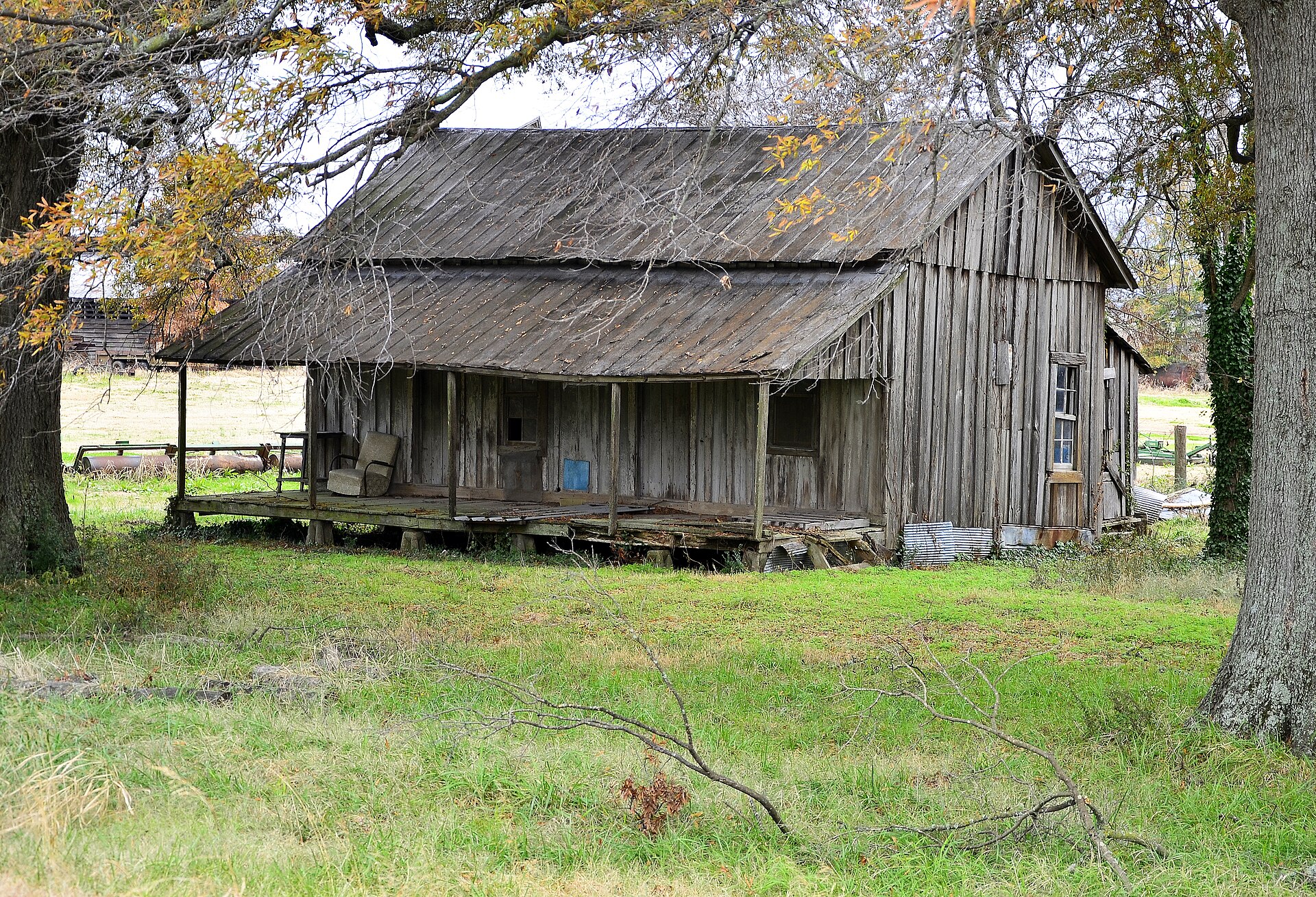
,_Robinsonville,_Mississippi.jpg)
What is the Tunica RiverPark and Museum?
The Tunica RiverPark and Museum sits on the Mississippi River in Tunica Resorts. It pairs an indoor museum covering the river’s natural history and the Delta’s cultural and agricultural history with an outdoor boardwalk and observation tower built out over the water and adjoining wetland. It is the county’s own answer to a question the casino corridor doesn’t otherwise address: what the river and the land here actually are, apart from the gaming floor.
What is the Gateway to the Blues Museum?
The Gateway to the Blues Museum occupies a restored train depot in the town of Tunica and is listed as a site on the Mississippi Blues Trail, the state’s own marker and interpretation program for blues history. The Delta counties south of Memphis, Tunica among them, are where a number of blues musicians were born or worked before the music moved north to Memphis and Chicago, and the museum’s placement reflects that geography rather than any connection to the casino district itself.
Is Tunica a realistic day trip from Memphis?
Reaching Tunica requires a car. There is no MATA bus or rail service running from Memphis into Mississippi, and the casino resorts and museums are spread along a stretch of highway rather than concentrated in a walkable center. Anyone planning the drive should look at general guidance on driving in Memphis for how the roads and river crossings around the city work before heading south on Highway 61.
For a first-time visitor building out a Memphis itinerary, Tunica sits well outside the core sights covered in most day plans for the city and is really a separate half-day or full-day trip rather than an add-on. Anyone weighing whether to spend extra time on it versus more of Memphis itself might start with what a third day in Memphis typically makes room for, since Tunica competes directly with that kind of extra time.
What should a Memphis resident know about Tunica now?
For people who live in Memphis rather than visiting it, Tunica functions less as a tourist attraction and more as the region’s one legal casino district, a fact that shapes some local traffic patterns on weekends and holidays along Highway 61. It is also a live example of a boomtown econom
Related reading
what the city is like to actually live in, getting around, planning, itineraries, food and the riverfront, museums, landmarks, neighbourhoods and day trips, What Is the Riverline, and What’s Planned for the Riverfront?, What Is Discovery Park of America? A Memphis Day Trip
Access Memphis is an independent guide written from published, checkable sources. We have not visited the places described here and we do not publish personal recommendations or invented ‘local favourites’ — where something is singled out as notable, we say who says so. Opening times, fares, closures and prices change at short notice, so treat everything here as a starting point and confirm with the museum, operator or venue directly before building a day around it. We give no advice on visas, insurance, health or safety; use your own government’s official guidance for those.
Featured image: Photo by Magnolia677, source, CC BY 4.0
