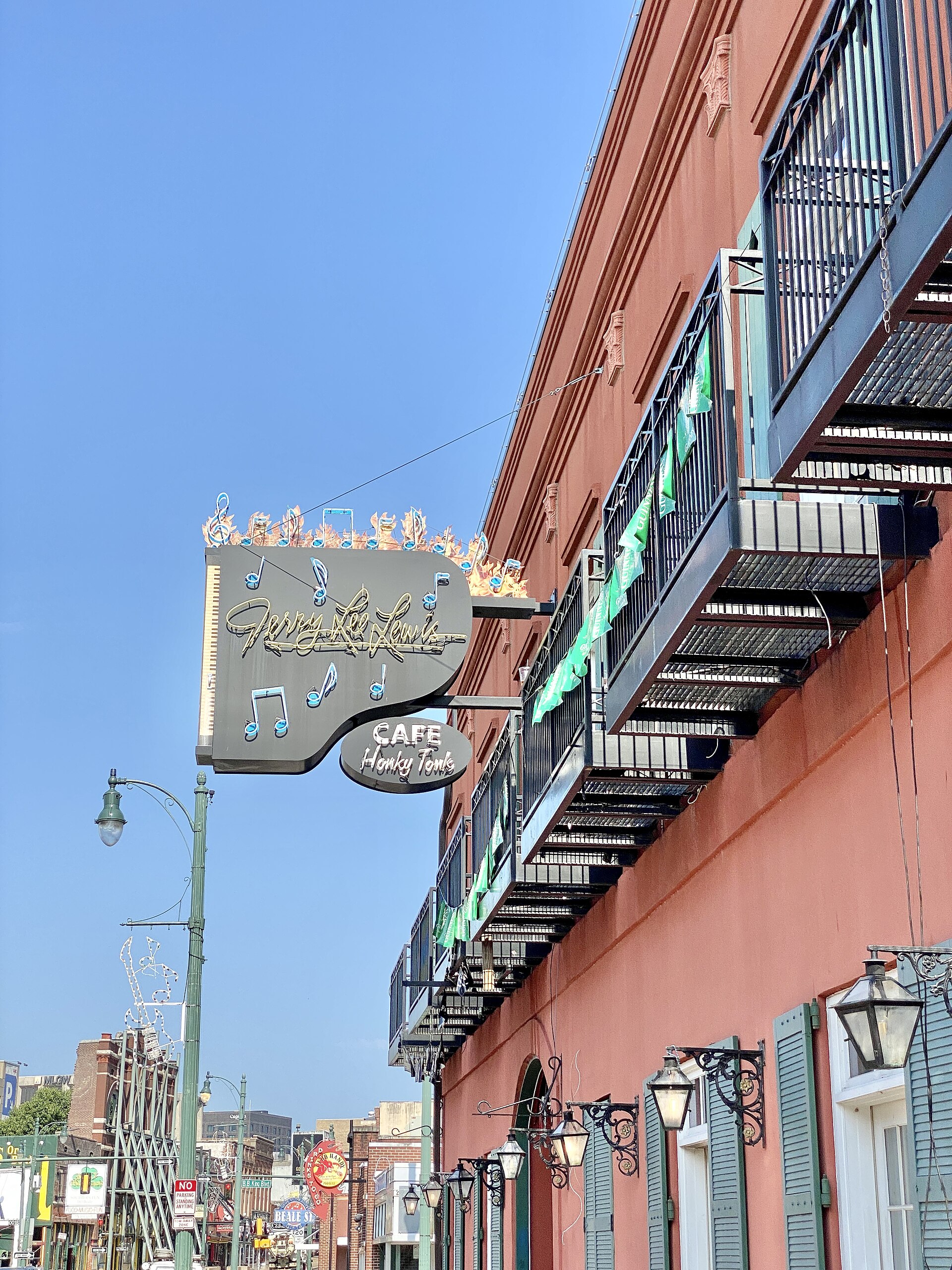
When people say Memphis is changing, they usually mean three overlapping things at once: a physically rebuilt riverfront and downtown core, a population that is moving within the metro area rather than simply growing or shrinking, and a set of institutions — schools, city government, policing — still working through changes set in motion more than a decade ago. None of these stories is finished, and none is simple.
What do people actually mean when they say Memphis is changing?
The phrase covers at least three distinct arguments happening at once: a downtown and riverfront that look physically different than they did ten years ago, a metro population redistributing itself between the city, its suburbs, and neighboring counties, and long-running institutional change in schools and governance that residents argue about constantly. Visitors mostly notice the first. Residents live with all three.
What has changed along the riverfront and downtown?
The most visible change is physical. Tom Lee Park, the long green strip along the Mississippi below the bluff, underwent a complete redesign completed in 2023, replacing an open lawn with a set of built structures, gardens and gathering spaces. What that project changed, and why it happened, is covered in detail on what changed at Tom Lee Park in 2023.
That redesign sits inside a longer-term city planning effort known as the Riverline, a proposed connected trail and green corridor running along the Memphis riverfront. The scope and status of that plan is explained on the page covering the Riverline and what’s planned for the riverfront. Readers should treat riverfront planning documents as a moving target and check the city’s own published plans for current status rather than relying on any single article, including this one.
Downtown itself has also seen a shift toward residential conversion — former office and warehouse buildings turned into apartments — a pattern common to many mid-sized American downtowns adjusting to lower office demand. The durable fact is the direction of the trend; specific building counts and vacancy figures change too often to print reliably here.

Is the population actually growing or shrinking?
This is one of the most argued-over points in any “Memphis is changing” conversation, and the honest answer is that it depends what boundary is being measured. The U.S. Census Bureau’s population estimates in recent years have shown the city of Memphis itself losing residents at the same time that several of its immediate suburbs — and DeSoto County, Mississippi, just across the state line — have grown. That is a redistribution within the metro area more than a simple story of decline. Readers who want the current numbers should go to the Census Bureau’s own published estimates rather than any secondary source, since these figures are revised annually.
What that redistribution means on the ground is covered from a resident’s perspective on the page explaining what Memphis neighborhoods are actually like to live in, which lays out how different parts of the city and its suburbs have absorbed growth or loss differently.
What does “changing” mean for schools and city government?
A large part of the institutional change people mean by “Memphis is changing” dates to 2013, when Memphis City Schools merged with Shelby County Schools following the city district’s surrender of its charter, and several suburban municipalities subsequently split off to form their own independent districts. That single event reshaped how education is organized across the whole county and remains a live reference point in local debate. The full sequence is laid out on the page covering what happened when Memphis City Schools merged with the county.
Governance itself is also structurally unusual here: Memphis operates a city government and Shelby County operates a separate county government, with overlapping but distinct responsibilities — a split that surprises people who assume “the city” and “the county” are the same entity. That structure, and why it matters for anyone trying to understand local politics, is explained on how Memphis is governed and what the city-county split means.
What does “changing” mean for housing and the cost of living?
Housing cost is one of the few areas where Memphis’s change is genuinely counter to the national pattern: home prices here remain well below the U.S. average, and the reasons for that are structural rather than accidental — covered in detail on the page addressing why housing in Memphis is cheaper than the national average. That relative affordability shapes a lot of who moves in and where they choose to live.
The broader cost-of-living picture — groceries, utilities, transportation, and how Memphis compares to other U.S. metros on each — is tracked with sourcing on the cost of living in Memphis, with sources. Anyone weighing a move, rather than a visit, should start there and at the wider Living in Memphis hub, which pulls together utilities, schools, healthcare and neighborhood pages into one starting point.
What about crime, and how does that fit the “changing” narrative?
Crime and policing are frequently cited in national coverage of Memphis, and they are real, documented subjects rather than matters of opinion — but any specific figure needs a source and a year attached to it, because year-over-year change in reported crime is exactly the kind of statistic that gets stale within months. The shape of how crime is tracked, reported and policed in the city — including how the Memphis Police Department and federal crime reporting systems categorize incidents — is explained on how Memphis is policed and how crime is reported. Readers wanting current figures should go to the Memphis Police Department’s own published data or the FBI’s Uniform Crime Reporting program rather than any article summarizing them secondhand.
This site does not rate neighborhoods as safe or unsafe, and does not offer safety advice; that judgment belongs to the reader, informed by official published data and, for visitors, their own government’s travel guidance.
How should a visitor read all of this?
For someone visiting rather than moving, most of this institutional change is background rather than something encountered directly. What a visitor will actually notice is the physical layer — a rebuilt riverfront, new downtown housing, ongoing construction near the bluff — and it is worth knowing that layer sits inside a longer argument about population, schools and governance that long-term residents are still working through.
For someone considering a move, the institutional layer is the one that matters most, and it is worth reading past the headline version of “Memphis is changing” into the specific, sourced pieces — the city-county split, the schools merger, the housing cost structure — rather than treating the phrase as a single verdict on the city.
- The riverfront and downtown: physically rebuilt in specific, documented projects, not a general mood.
- The population: redistributing across the metro rather than simply rising or falling — check the Census Bureau’s current estimates for the exact figures.
- Schools and governance: shaped by a 2013 merger and a city-county split that predate most current headlines.
- Housing: still comparatively cheap by national standards, for structural reasons that are documented rather than accidental.
Access Memphis is an independent guide written from published, checkable sources. We have not visited the places described here and we do not publish personal recommendations or invented ‘local favourites’ — where something is singled out as notable, we say who says so. Opening times, fares, closures and prices change at short notice, so treat everything here as a starting point and confirm with the museum, operator or venue directly before building a day around it. We give no advice on visas, insurance, health or safety; use your own government’s official guidance for those.
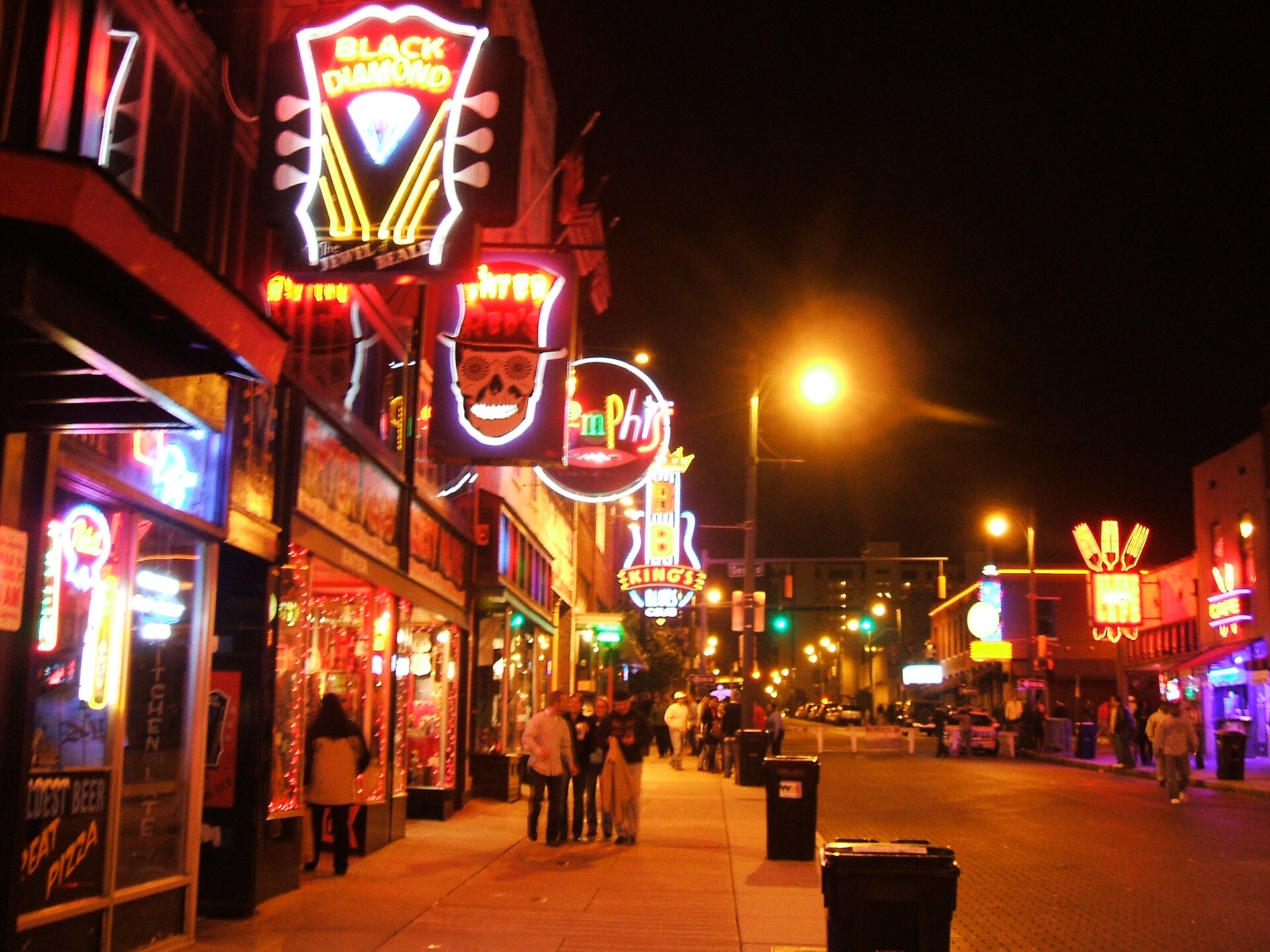
Featured image: Photo by Warren LeMay from Chicago, IL, United States, source, CC BY-SA 2.0
.jpg)