Memphis’s tap water comes from underground, not from the Mississippi River running past it. The city sits above the Memphis Sand aquifer, a layer of porous, water-bearing sand several hundred feet down, protected by a thick clay cap that keeps surface contamination out. Memphis Light, Gas and Water (MLGW), the city’s public utility, pumps it up through a network of wells rather than filtering river water.
Why doesn’t Memphis just use the river?
It could, technically — the Mississippi runs along the entire western edge of the city — but it never has, because the aquifer underneath is cleaner, colder, and requires far less processing than surface water.
Most large American cities draw drinking water from rivers, lakes or reservoirs, which means running it through multi-stage filtration to remove sediment, algae and biological contaminants before it reaches anyone’s tap. Memphis instead draws from a confined aquifer that has already been filtered by geology: rainfall recharges the sand layer slowly, over decades, through gaps in the confining clay many miles from the city, and by the time that water reaches a Memphis well it has been naturally screened of most of what a treatment plant would otherwise need to remove. MLGW’s own materials describe the water as needing only minor treatment — chlorination and some pH adjustment — rather than the full filtration process a surface-water system requires. That is the detail worth checking directly on MLGW’s site, since treatment specifics are the kind of thing an operator updates as standards change.
What exactly is the Memphis Sand aquifer?
It is a layer of sand and gravel, part of a larger series of aquifers under the Mississippi Embayment, sitting roughly 350 to 1,100 feet below the surface depending on location, according to U.S. Geological Survey studies of the region. It is an artesian aquifer, meaning the water in it is under enough pressure that it rises partway up a well on its own before pumps take over.
Above it lies a confining layer of clay, often called the “clay cap,” that the USGS and University of Memphis researchers have studied for decades because it is the thing actually protecting the water supply. Where that clay layer is thin, breached, or absent — in a scatter of locations mapped by hydrogeologists — the aquifer is more exposed to whatever sits above it, which is why the integrity of the cap, rather than the aquifer itself, is the subject most local research actually focuses on.
How does MLGW get the water out of the ground?
MLGW operates a system of wellfields and pumping stations spread across Memphis and Shelby County, each drawing from the aquifer at depth and feeding treated water into the city’s distribution network. The utility describes itself as one of the largest public power, gas and water systems in the country, serving the city and much of the surrounding county rather than a single municipal footprint. Details of well counts, capacity and current infrastructure investment are the kind of figures that change with funding cycles, so MLGW’s own site is the source to check rather than a fixed number repeated here.
For a fuller picture of how the utility is structured — and how gas and electric service fit alongside water in the same public system — see how Memphis utilities work and what MLGW actually is.

.jpg)
Is the aquifer at any real risk?
It has been the subject of one significant public dispute. In 2020 and 2021, a proposed crude oil pipeline — the Byhalia Connection, backed by Plains All American and Valero — was planned to run through parts of southwest Memphis, an area overlapping ground where the protective clay layer is known to be thin or breached in places. Opposition from local groups, including Memphis Community Against the Pipeline, centered on the risk a leak would pose to the aquifer that supplies the city’s drinking water. The developers cancelled the project in July 2021, citing a decline in economic viability, after sustained local and legal opposition. It remains one of the clearest public examples of how seriously the aquifer’s protection is treated in Memphis policy debates, and it is documented in contemporaneous reporting and in public statements from the companies involved rather than in any single official record, so readers wanting specifics should check primary news coverage from that period.
Beyond that episode, University of Memphis researchers — through its Center for Applied Earth Science and Engineering Research — have published ongoing studies mapping the clay cap and monitoring the aquifer’s condition, since understanding where the confining layer is weakest is the main tool available for protecting the supply going forward. More on the university’s broader role in the city, including its research footprint, is at what the University of Memphis’s place in the city actually is.
Does this make Memphis water different to drink?
MLGW and independent hydrogeological sources describe Memphis Sand aquifer water as naturally low in the kind of surface contaminants — algae, agricultural runoff, sediment — that river-sourced systems have to filter out, and often note it emerges from the ground at a notably cool, consistent temperature. Any claim about taste is subjective and belongs to whoever makes it rather than to this article; what is checkable is the source and the comparatively light treatment process, not a verdict on flavor.
What does this mean for a resident’s water bill?
Because MLGW draws from groundwater it already owns access to rather than paying to license or heavily treat surface water, water costs are one part of a Memphis utility bill, alongside gas and electric, that residents and prospective movers often ask about directly. Current rate structures, connection fees and any seasonal billing changes are set by MLGW and should be checked on its own site rather than assumed from year to year. For how utility costs fit into the wider picture of living costs in the city, see Memphis’s cost of living with sources, and for how utilities generally function day to day, how MLGW is structured.
Does the river factor into the city’s water system at all?
Not for drinking water, but the Mississippi still defines Memphis’s relationship to water in other ways — as the reason the city exists on this bluff at all, as a working river for barge traffic, and as a recreational and ecological presence along the riverfront rather than a tap source. Questions about using the river itself, rather than what comes from underneath it, are covered separately in whether you can swim or boat in the Mississippi at Memphis and in the broader look at what lives along the Memphis riverfront.
Why does this detail matter to someone living here, not just visiting?
For residents, the aquifer is one of the quieter infrastructural facts that shapes the city without being visible day to day — it affects utility costs, it explains why Memphis has historically had less anxiety about drought-driven water shortages than cities dependent on reservoirs, and it is the reason environmental fights in Memphis, like the Byhalia dispute, tend to center on groundwater protection rather than river pollution. Understanding it is part of understanding how the city actually functions underneath the parts a visitor sees. For a broader sense of that everyday structure, see what it is actually like to live in Memphis and the wider Living in Memphis archive.
Access Memphis is an independent guide written from published, checkable sources. We have not visited the places described here and we do not publish personal recommendations or invented ‘local favourites’ — where something is singled out as notable, we say who says so. Opening times, fares, closures and prices change at short notice, so treat everything here as a starting point and confirm with the museum, operator or venue directly before building a day around it. We give no advice on visas, insurance, health or safety; use your own government’s official guidance for those.
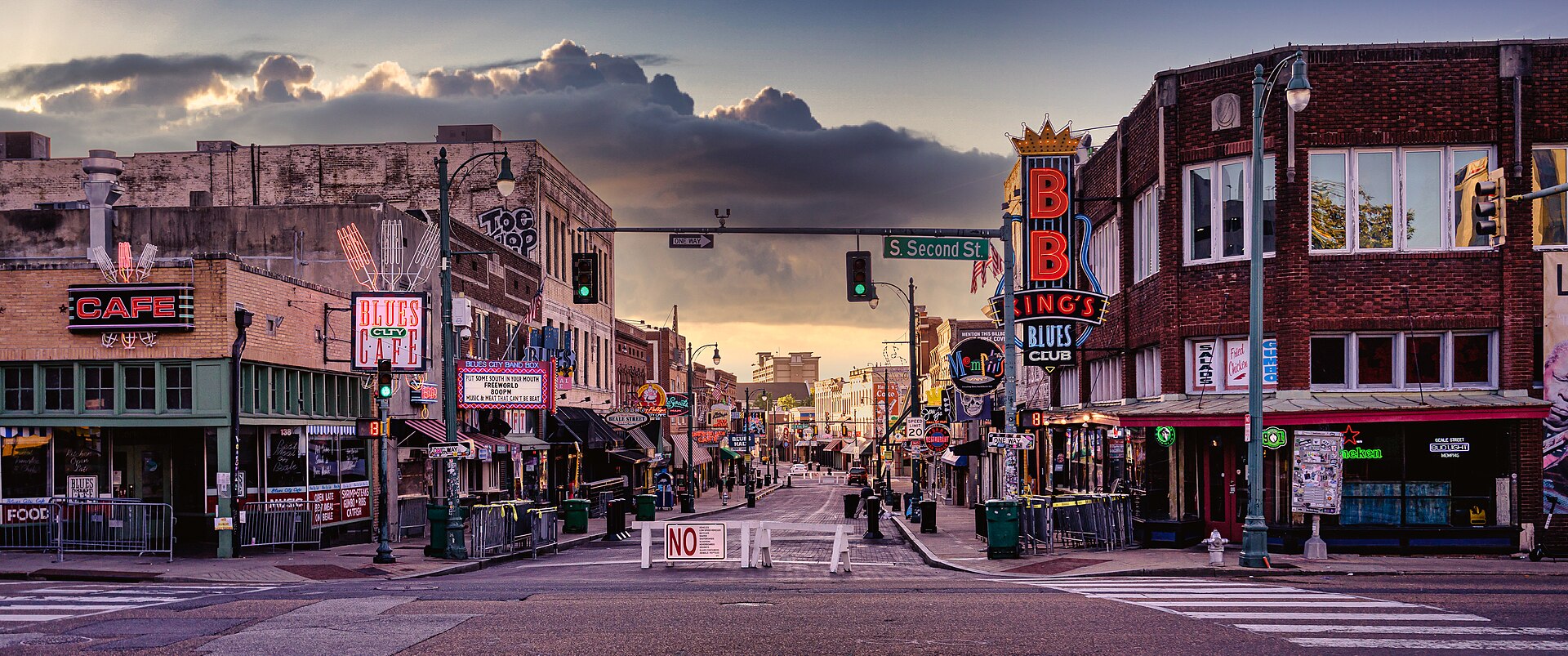
Featured image: Photo by Mobilus In Mobili, source, CC BY-SA 2.0
.jpg)