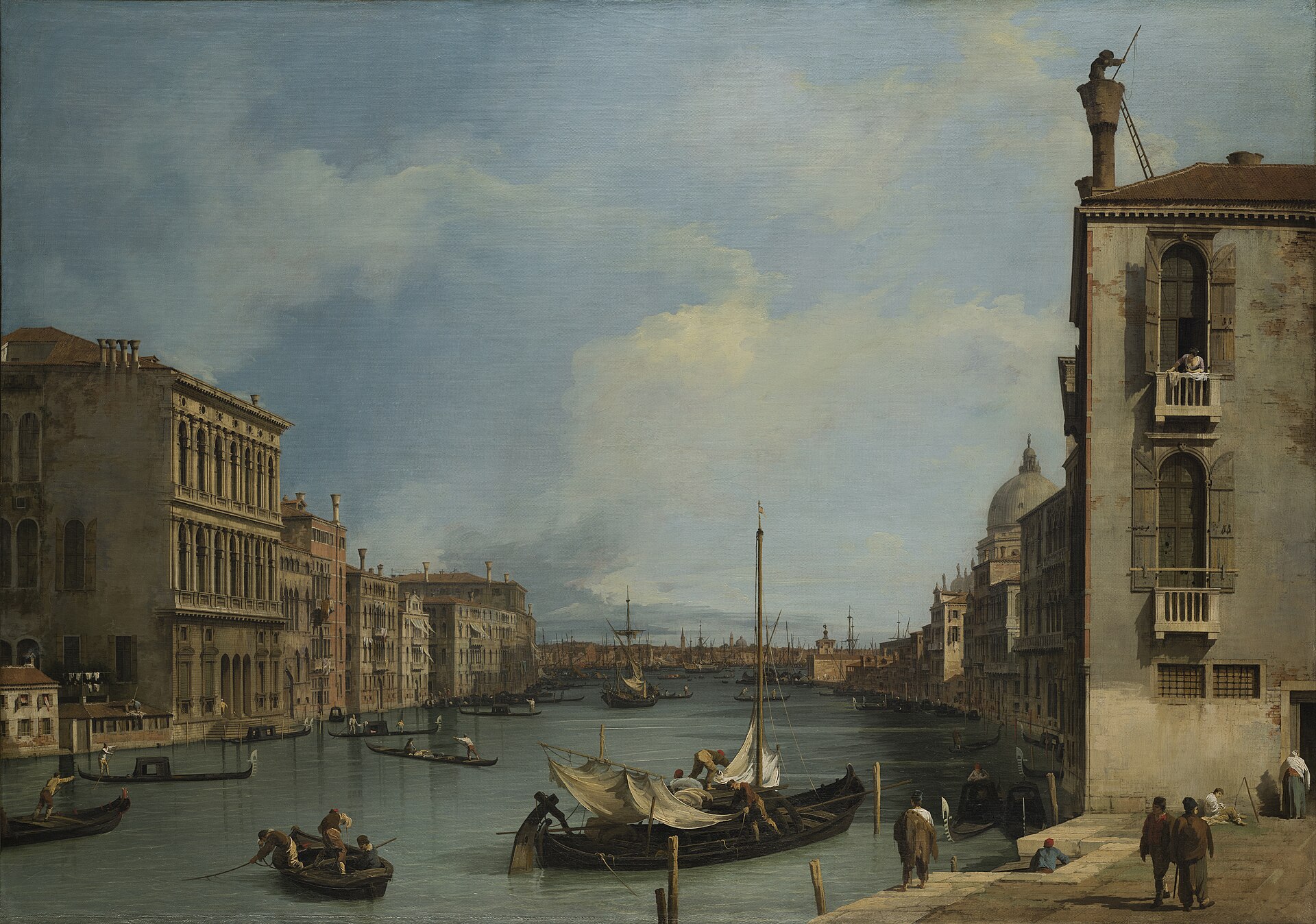
The Memphis Brooks Museum of Art is Tennessee’s oldest and largest art museum, holding roughly 8,000 works spanning antiquity to the present. It currently sits inside Overton Park in Midtown Memphis. The museum has announced plans to leave that building for a new, purpose-built structure on the downtown riverfront, though it has not yet moved.
What is the Memphis Brooks Museum of Art?
The Brooks Museum was established in 1916 through a gift from Bessie Vance Brooks in memory of her husband, Samuel Hamilton Brooks. It opened that year as the city’s first dedicated art museum and has operated continuously since, making it, by its own account and by general consensus among Tennessee museums, the oldest art museum in the state. It is also the largest by collection size and gallery space.
The museum’s collection runs from Egyptian antiquities and European Renaissance and Baroque painting through 19th-century American art, decorative arts, works on paper, photography, and a growing contemporary program. It is an encyclopedic museum in the traditional sense — built to represent broad periods and geographies rather than to specialize in one artist, region, or medium, which distinguishes it from Memphis’s music-history museums covered elsewhere on this site, including the Stax Museum of American Soul Music and the Memphis Rock ‘n’ Soul Museum.
Where is the Brooks Museum located now?
The current building stands inside Overton Park, a large Midtown park laid out in the early 20th century by landscape architect George Kessler and now also home to the Memphis Zoo, the Levitt Shell outdoor stage, and the Old Forest — one of the largest remaining old-growth forest tracts inside a U.S. city. The museum’s presence in the park dates to its founding and the building has been expanded several times since.
Readers planning a Midtown visit for other reasons — the park itself, the zoo, or the surrounding neighborhoods — can find broader context in this site’s Memphis guide hub and the landmarks and sights archive, which cover how Midtown’s parks and districts fit together.
What does the collection contain?
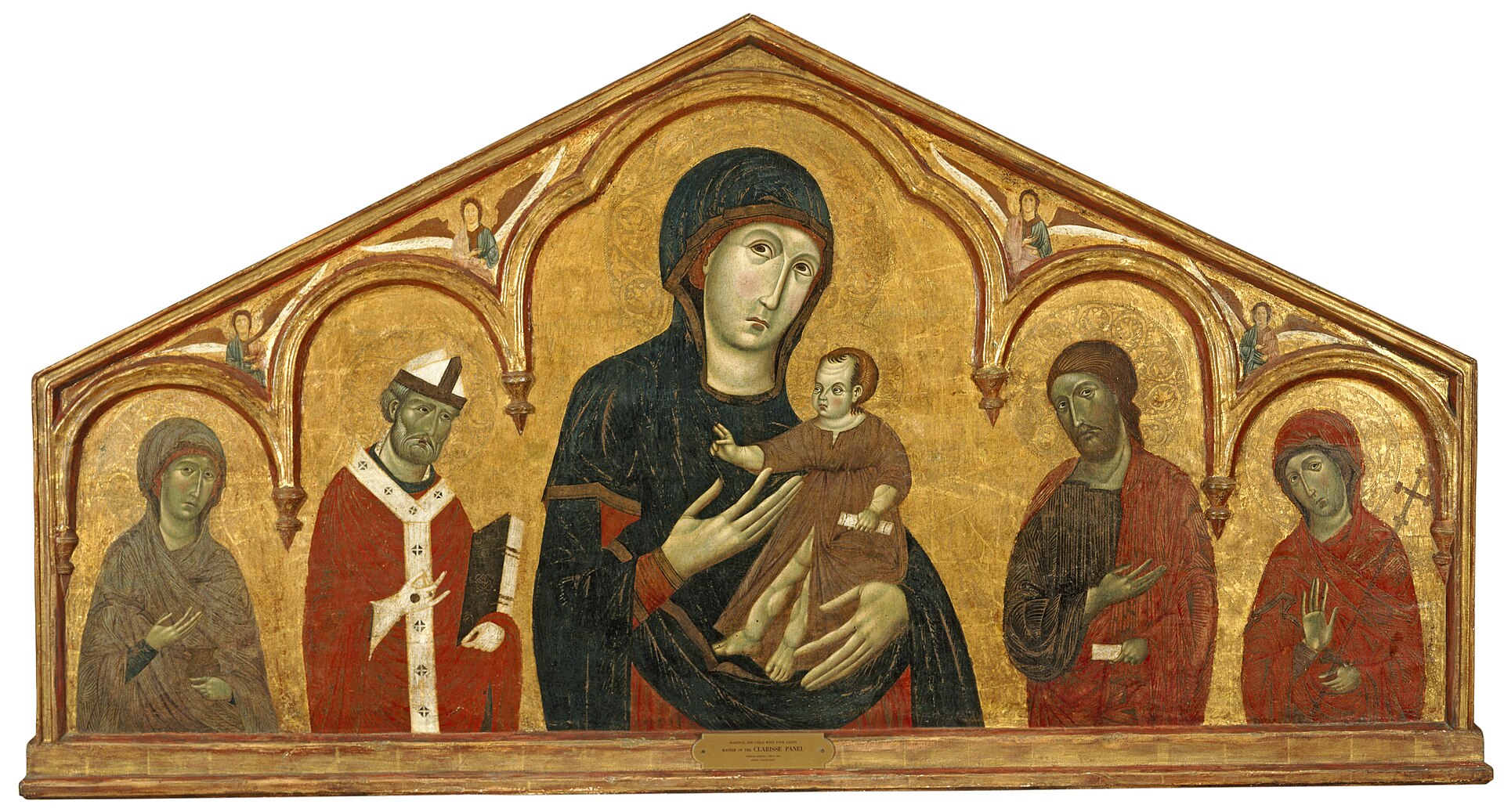
The Brooks Museum’s own descriptions of its holdings emphasize breadth over depth in any single area. Its European paintings include work from the Renaissance forward; its American collection covers colonial portraiture through 20th-century painting and sculpture; and its decorative arts holdings include furniture, ceramics, and metalwork. The museum also holds African art and a body of historic and contemporary photography.
- European painting and sculpture from the Renaissance through the 19th century
- American painting, sculpture and decorative arts
- Egyptian and other ancient Mediterranean antiquities
- African art
- Photography and works on paper, including a rotating print and drawing program
- A contemporary art program with changing exhibitions
Because gallery rotations and traveling exhibitions change through the year, readers should treat any specific list of what is on view as provisional and check the museum’s own site before visiting.
Why is the museum moving?
The museum and the city have described the current Overton Park building as constrained — limited in gallery space, loading and storage capacity, and ability to host large traveling exhibitions, relative to institutions of comparable size elsewhere. The relocation has been framed publicly, including by city officials involved in downtown riverfront planning, as part of a broader push to anchor cultural institutions along the Mississippi riverfront rather than scattering them across the city.
This is consistent with a pattern this site covers elsewhere: Memphis has spent the past decade concentrating investment in its downtown riverfront — parks, walking paths and public space redevelopment led in large part by the nonprofit Memphis River Parks Partnership — and the Brooks relocation has been positioned by the city as an extension of that same riverfront strategy rather than a standalone museum project.
Where is the new Brooks Museum building going?
The planned new building is sited downtown on the Mississippi riverfront, near the foot of Union Avenue, rather than in Midtown. That puts it within walking distance of the downtown core and the existing cluster of riverfront parks, rather than inside a residential park like Overton Park.
This is a genuine change in the museum’s civic position: moving from a Midtown park setting, shared with a zoo and outdoor concert venue, to a downtown riverfront site adjacent to the city’s other major visitor anchors and its central business district.
Who is building it, and when will it open?
The Brooks Museum’s own announcements have named an architecture team for the new building and described a project funded through a combination of city bond support and private philanthropic fundraising. Both the design details and the construction timeline have shifted since the project was first announced, which is typical for a museum capital project of this scale.
Because opening dates, final cost figures and design details for a project still under construction are exactly the kind of information that goes stale fastest, this article does not repeat a specific year or dollar figure. Readers who want the current status — funding progress, construction phase, and an anticipated opening window — should check the Brooks Museum’s own site directly, since it is the only authority in a position to update that information reliably.
What happens to Overton Park after the move?
The museum has not published a final, binding plan for the Overton Park building’s future use, and this site does not speculate on it. What is established is that Overton Park itself — the Old Forest, the Levitt Shell, the Memphis Zoo and the park’s Kessler-era layout — is a distinct public asset from the museum building, managed separately, and its function as a Midtown park is not contingent on which institution occupies the current gallery structure.
How does this fit into Memphis’s museum landscape?
Memphis’s museum sector is split between music history and general art and civic history. The Brooks sits in the latter category alongside institutions like the National Civil Rights Museum at the Lorraine Motel, which documents the 1968 assassination of Dr. Martin Luther King Jr. and the sanitation strike, and stands apart from the city’s music museums — Stax, Sun Studio, and the Rock ‘n’ Soul Museum — which are organized around specific studios, labels and recording histories rather than a general collection.
A downtown relocation for the Brooks would put a major encyclopedic art museum inside the same walkable core as the National Civil Rights Museum, rather than requiring a separate trip to Midtown, which changes how a multi-day visit to the city’s museums can realistically be planned. The museums and galleries archive on this site tracks how these institutions relate to each other geographically as more of the picture becomes public.
Visiting now, and planning ahead
Until the move is complete, the Brooks Museum continues to operate from its Overton Park building, and its current hours, admission structure and any free-admission windows are subject to change — the museum’s own site is the only reliable source for those figures at any given time. For getting around Midtown and downtown, and for how a museum visit fits into a broader Memphis itinerary, see this site’s practical planning hub.
For residents, the relocation is also a Midtown story as much as a downtown one: it touches how Overton Park’s building stock gets used going forward and how cultural investment is being distributed across the city’s neighborhoods. That question sits inside the broader pattern covered in the living in Memphis hub, which looks at how the city functions for people who are here for longer than a visit.
Access Memphis is an independent guide written from published, checkable sources. We have not visited the places described here and we do not publish personal recommendations or invented ‘local favourites’ — where something is singled out as notable, we say who says so. Opening times, fares, closures and prices change at short notice, so treat everything here as a starting point and confirm with the museum, operator or venue directly before building a day around it. We give no advice on visas, insurance, health or safety; use your own government’s official guidance for those.