
The Memphis Music Hall of Fame is both an honor and a museum: an annual induction that recognizes musicians, producers and industry figures with a documented connection to Memphis, and a small dedicated gallery on Beale Street where inductees’ stories and objects are on permanent display. It covers blues, soul, rock and roll, gospel and hip-hop under one roof.
What exactly does the Memphis Music Hall of Fame do?
It runs two related things. First, it is an honor society that inducts a new class of Memphis-connected artists, songwriters, producers, DJs and executives each year, following a nomination and voting process described on the Hall of Fame’s own site. Second, it is a physical museum space where those inductees are represented through exhibits, audio and artifacts, functioning as a permanent record of the honor rather than a rotating exhibition.
According to the Hall of Fame’s own site, the modern organization dates to 2012, reviving an earlier attempt at a Memphis music hall of fame from the 1980s that did not survive as an ongoing institution. The current version is administered by the same nonprofit organization behind the Smithsonian-affiliated Memphis Rock ‘n’ Soul Museum, which is worth noting because visitors sometimes assume the two are the same building — they are not.
Where is it, and what does the museum hold?
The museum occupies a space on Beale Street, inside the Beale Street Historic District that the National Park Service recognizes as the historic commercial and entertainment corridor tied to the city’s blues history. The Hall of Fame’s own site is the authority to confirm the current exact address and hours before visiting, since museum locations and hours on Beale Street have shifted over the years.
Inside, the collection is organized around inductees rather than around a single genre or record label. Exhibits typically pair a short biography with instruments, stage costumes, photographs, gold and platinum records, and recorded audio tied to a specific inducted artist or group. Because the honor spans decades and genres, a single visit can move from 1950s Sun-era rockabilly through Stax-era soul, gospel quartets, and Memphis hip-hop acts inducted more recently.
Who gets inducted, and how is that decided?
Induction recognizes people with a demonstrable connection to Memphis music, judged by criteria the organization publishes on its own site — this is not a self-nominated fan vote, and the Hall of Fame states the selection involves a nominating and voting process it runs each year.
Figures the Hall of Fame has named as inductees over the years include artists synonymous with the city’s recorded history — Elvis Presley, B.B. King, Johnny Cash, Al Green, Isaac Hayes and Sam Phillips among them — alongside songwriters, session players and label figures who rarely get separate public recognition elsewhere. The full inductee list, updated annually, is published on the Hall of Fame’s own site and is the only reliable source for who has been added most recently.
How is this different from the Rock ‘n’ Soul Museum, Stax, Sun Studio and Graceland?
Memphis has several institutions built around its recorded music history, and they are not interchangeable. The Memphis Music Hall of Fame is an honor-and-museum hybrid covering all genres and eras collectively; it does not hold a recording studio or a label’s back catalogue on its own.
- The Memphis Rock ‘n’ Soul Museum is a Smithsonian-affiliated exhibit tracing the social and musical history that produced the Memphis sound, and is administered by the same nonprofit as the Hall of Fame.
- The Stax Museum of American Soul Music occupies the rebuilt site of the original Stax Records studio and focuses specifically on that label’s soul catalogue.
- The Sun Studio is the still-operating recording studio where Sam Phillips recorded early Elvis Presley, Johnny Cash, Carl Perkins and others.
- The Graceland is Elvis Presley’s former home, a single-artist historic site rather than a genre museum.
The Music Hall of Fame’s role is closer to a citywide index of achievement — it names who matters and briefly says why, then points a visitor toward the deeper single-subject museums if they want more.
When is the induction ceremony, and can the public attend?
An induction ceremony is held annually, generally staged as a public concert event in Memphis with performances honoring the new inductees, though exact dates move from year to year and are set by the organization. Anyone planning a visit around the ceremony should check the Hall of Fame’s own site for the current year’s date, venue and ticketing, since none of these details are fixed from year to year.
Outside of the ceremony itself, the museum on Beale Street operates on its own separate schedule as a standing exhibit, open to visitors independent of whether an induction event is happening that week.
Is it worth building a visit around?
That judgment belongs to the reader, but the shape of the thing is straightforward: it is a compact museum, not a half-day destination on its own, and it sits inside a stretch of Beale Street already dense with other attractions. Its value, as the organization frames it, is as a single-stop overview of Memphis music’s breadth — genres and eras that the city’s larger single-subject museums each cover in far more depth.
For a visitor building an itinerary, it pairs naturally with a walk through the wider Memphis guide to museums and landmarks, since Beale Street sits close to several of the city’s major music sites. For residents, it functions less as a tourist stop and more as a standing record of who the city has formally recognized — useful context when a local musician’s death or anniversary brings renewed attention to their place in Memphis’s history.
How does this fit into Memphis’s music landmarks overall?
Memphis’s music institutions are scattered rather than centralized: some sit downtown near Beale Street, others in Midtown or South Memphis near the old Stax site, and Graceland sits well south of downtown near the airport. Readers planning to see more than one should consult the Memphis practical guide for how distances and transport between them actually work, and the museums and galleries archive for how the Music Hall of Fame relates to the city’s other collections, including art museums like the Memphis Brooks Museum of Art and the Dixon Gallery and Gardens, which cover entirely different ground.
The Memphis Music Hall of Fame’s own site remains the only current authority on hours, admission, the current inductee roster and this year’s induction ceremony — all details that change on a schedule this article cannot keep pace with.
Access Memphis is an independent guide written from published, checkable sources. We have not visited the places described here and we do not publish personal recommendations or invented ‘local favourites’ — where something is singled out as notable, we say who says so. Opening times, fares, closures and prices change at short notice, so treat everything here as a starting point and confirm with the museum, operator or venue directly before building a day around it. We give no advice on visas, insurance, health or safety; use your own government’s official guidance for those.
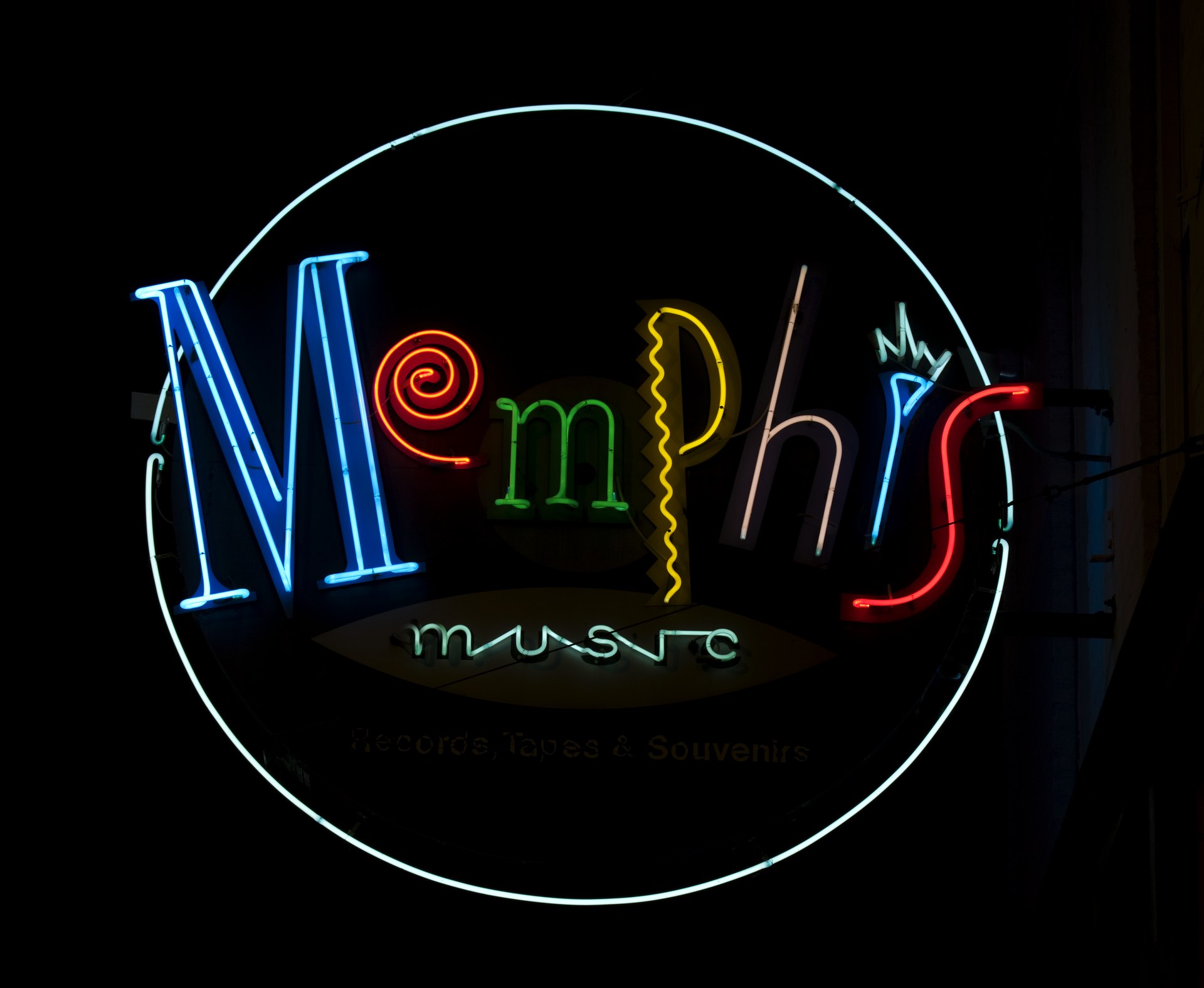
Featured image: Photo by John Phelan, source, CC BY-SA 4.0
