What Is Slave Haven and the Burkle Estate?
Slave Haven Underground Railroad Museum is a small history museum housed in the Burkle Estate, a mid-19th-century brick house on North Second Street in Memphis, just north of downtown. Local tradition holds that its owner, a German immigrant named Jacob Burkle, used the house to shelter people escaping slavery before the Civil War. The museum interprets that tradition alongside Memphis’s documented history as a major slave-trading market.
Where Is the Burkle Estate, and What Is the Building?
The house stands at 826 North Second Street, in the district now generally referred to as the Pinch, an area of warehouses and modest 19th-century residences a short distance from the Mississippi River. It is a simple two-story brick home, said to date from the late 1840s, built during the decades when Memphis was expanding rapidly as a river port and cotton market.
The building survives largely because it was never demolished for redevelopment, not because it was singled out for preservation in its own era. It was converted into a museum later in the 20th century, after decades as an ordinary residence and, at points, a rooming house.
Who Was Jacob Burkle?
Jacob Burkle was a German immigrant who settled in Memphis and worked in the livestock and meatpacking trade, a business that put him in regular contact with the stockyards and river traffic that moved through the city. He was not, by the documentary record, a public abolitionist figure of the kind who left pamphlets, letters or court testimony behind. What is known about him comes mostly from property and census records rather than from any personal account of harboring escaped slaves.
That gap matters for how the site should be understood, and the museum itself is generally candid that the Underground Railroad claim rests on oral tradition passed down through the property’s later owners rather than on a paper trail from Burkle’s own lifetime.
How Solid Is the Underground Railroad Connection?
The claim is real as a local tradition, but it is not backed by contemporary written evidence specific to this house, and researchers who have looked at Memphis Underground Railroad claims generally note that this is typical of the subject rather than a weakness peculiar to Burkle. Secrecy was the entire point of Underground Railroad activity, so participants rarely wrote down what they were doing, and most sites nationwide are documented through family recollection, physical features of a building, or circumstantial detail rather than through diaries or ledgers.
The Burkle Estate’s case for a role in that network rests on a few elements repeated by the museum:
- The house’s proximity to the Mississippi River, a plausible route north for people escaping enslavement.
- A cellar and low interior passage that later owners and museum staff have described as consistent with a hiding space, though such features can also simply reflect ordinary 19th-century cellar construction.
- Family oral history from later occupants of the property, recorded well after Burkle’s death.
Readers who want to weigh the evidence themselves should treat this as they would any oral-history-based claim: plausible, locally significant, and worth hearing directly from the museum’s own account and from local archives such as the Memphis and Shelby County Room at the Memphis Public Library, rather than as a settled historical fact with primary-source backing.

What Does Memphis’s Slave-Trading History Have to Do With This House?
Separately from the Burkle claim, Memphis’s role as one of the largest slave-trading markets in the Mid-South before the Civil War is well documented. The city’s position on the river made it a hub for the domestic slave trade, with dealers, holding pens and auction points operating openly in what is now the downtown core. That history is recorded in city and regional archival research and is part of why a museum addressing slavery’s mechanics, not just one house’s disputed role in resisting it, has a clear place in Memphis.
Slave Haven’s exhibits generally use this broader context — the slave trade, plantation labor in the surrounding Delta region, and the legal and economic structure of slavery in Tennessee — to frame the specific, less certain story of the house itself.
What Do Visitors See Inside the Museum?
The museum’s rooms combine the physical house — its cellar, low passageways and modest domestic spaces — with exhibit panels and objects addressing slavery, the domestic slave trade, and the Underground Railroad as a national phenomenon. Museum staff and guided tours typically walk through the building’s claimed hiding spaces while explaining the wider historical record of escape networks running north through Tennessee and Kentucky toward free states.
Because the museum is a small, independently run nonprofit institution rather than a large state or federal site, opening days, tour times and admission charges are set and changed by the museum itself. Anyone planning a visit should confirm current hours and prices directly with the museum before traveling, since a fixed figure printed here would go stale quickly.
How Does Slave Haven Fit Alongside Memphis’s Civil Rights and Black History Sites?
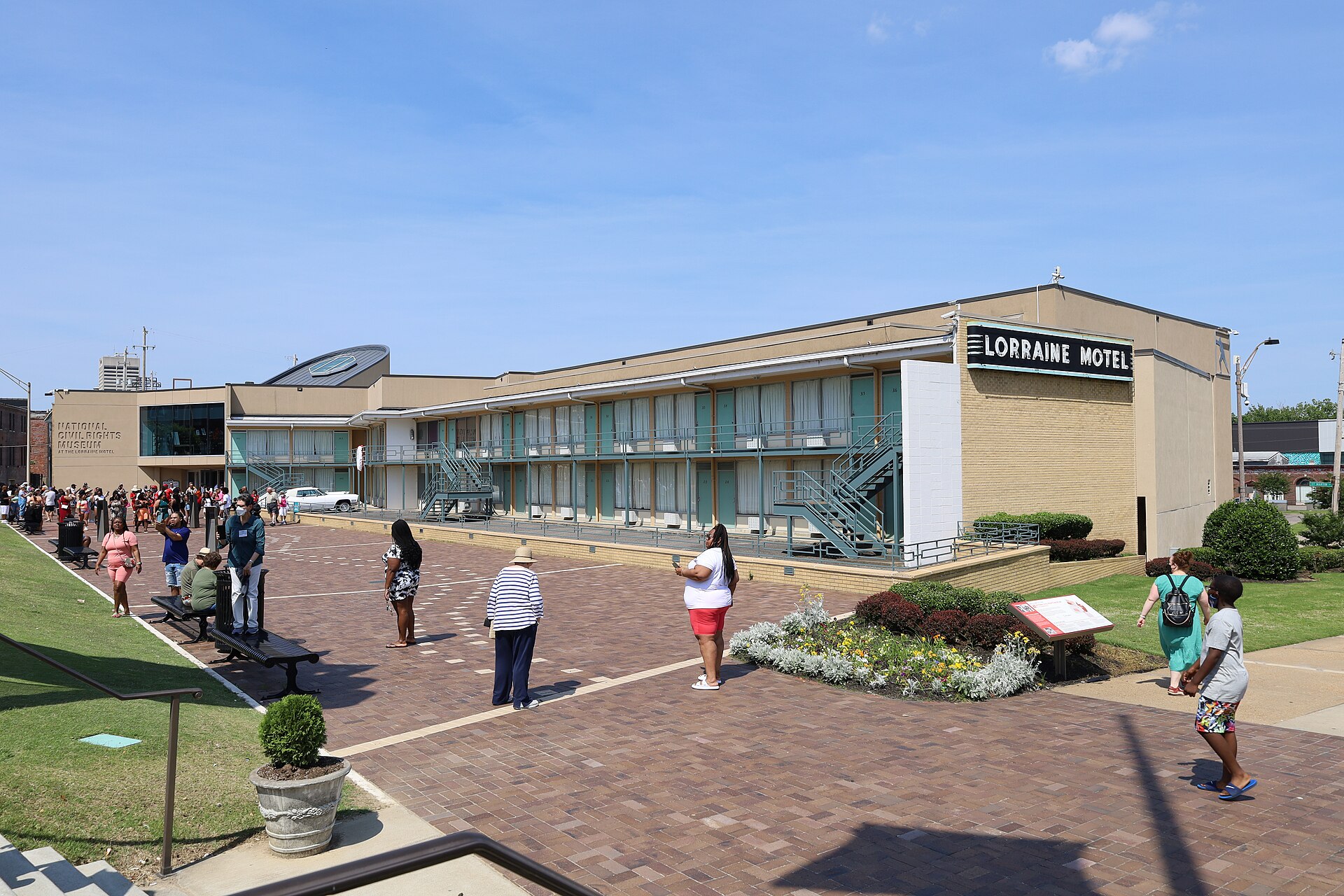
Slave Haven predates the civil rights era it is sometimes grouped with by more than a century, and it should not be conflated with sites tied directly to the 1968 sanitation strike or Dr. King’s assassination. The National Civil Rights Museum, built around the Lorraine Motel, addresses that later period specifically and is the site the National Park Service and the museum itself treat as the primary record of that history.
What links the two is a longer arc: Slave Haven addresses slavery and its contested end, while the Lorraine Motel site addresses the movement a century later that fought for the rights that emancipation alone had not secured. Visitors interested in how Memphis’s Black history is documented across periods will find the two sites cover distinct, non-overlapping ground, and both are worth treating on their own terms rather than as a single narrative.
Where Does the Burkle Estate Sit in a Memphis Museum Visit?
Slave Haven is a small house museum, best planned as one stop rather than a half-day itinerary on its own. It sits within a broader landscape of Memphis institutions covered in the site’s own museums and galleries archive and landmarks and sights archive, which range from music history at the Stax Museum of American Soul Music and Sun Studio to art collections covered separately on this site.
For readers building out a wider trip, the Memphis guide hub lays out how the city’s museums, neighborhoods and day trips fit together, while the practical planning hub covers transport and logistics for getting between sites like this one and downtown. Residents interested in how sites like Slave Haven fit into the city’s ongoing relationship with its own history can find that context in the living in Memphis hub.
What Should a Reader Take Away?
Slave Haven is a genuine historic house with a real, if incompletely documented, claim tied to it, sitting inside a city with an unambiguously documented history as a slave-trading center. The honest way to visit or read about it is to hold both facts at once: the museum preserves and teaches real history, and its central house-specific claim rests on oral tradition rather than a paper trail, a distinction the museum itself is generally open about and one any careful visitor should carry in as well.
Access Memphis is an independent guide written from published, checkable sources. We have not visited the places described here and we do not publish personal recommendations or invented ‘local favourites’ — where something is singled out as notable, we say who says so. Opening times, fares, closures and prices change at short notice, so treat everything here as a starting point and confirm with the museum, operator or venue directly before building a day around it. We give no advice on visas, insurance, health or safety; use your own government’s official guidance for those.
Featured image: Photo by Antony-22, source, CC BY-SA 4.0
