The Pink Palace is a mansion in Midtown Memphis built in the 1920s from pink Georgia marble by Clarence Saunders, the man who invented the self-service grocery store. The Museum of Science and History, usually shortened to MoSH, is the city institution that has occupied and expanded that mansion since 1930, adding a planetarium, an IMAX theatre and a separate nature center elsewhere in the city.
Who built the Pink Palace, and why is it pink?
Clarence Saunders founded Piggly Wiggly in Memphis in 1916, generally credited as the first self-service grocery store chain in the United States — customers picked their own goods off open shelves rather than handing a list to a clerk, a model that reshaped grocery retail nationally. Saunders built himself an enormous house on Central Avenue, faced in pink Georgia marble, and the color gave the building its popular name.
Saunders never lived in it. In 1923 he lost control of his fortune trying to corner the market on Piggly Wiggly’s own stock, a maneuver that collapsed and forced him into bankruptcy before the house was finished. The unfinished mansion passed to the city of Memphis, which completed it and opened it to the public as a museum in 1930.
What is the Memphis Museum of Science and History?
The Memphis Museum of Science and History, MoSH, is the operating institution — the organization, not the building. It runs the Pink Palace mansion as its main museum site, along with a planetarium and IMAX theatre on the same grounds and a nature center at a separate East Memphis location. The mansion itself is sometimes still called the “Pink Palace Museum,” and both names are used interchangeably in practice, but MoSH is the institution’s current formal name for the whole operation.
According to the museum’s own site, its collections and exhibits cover natural history, regional history and science together, rather than treating them as separate disciplines — a structure that reflects the original 1930 founding as the “Memphis Museum of Natural History and Industrial Arts.”
What is actually inside the museum?
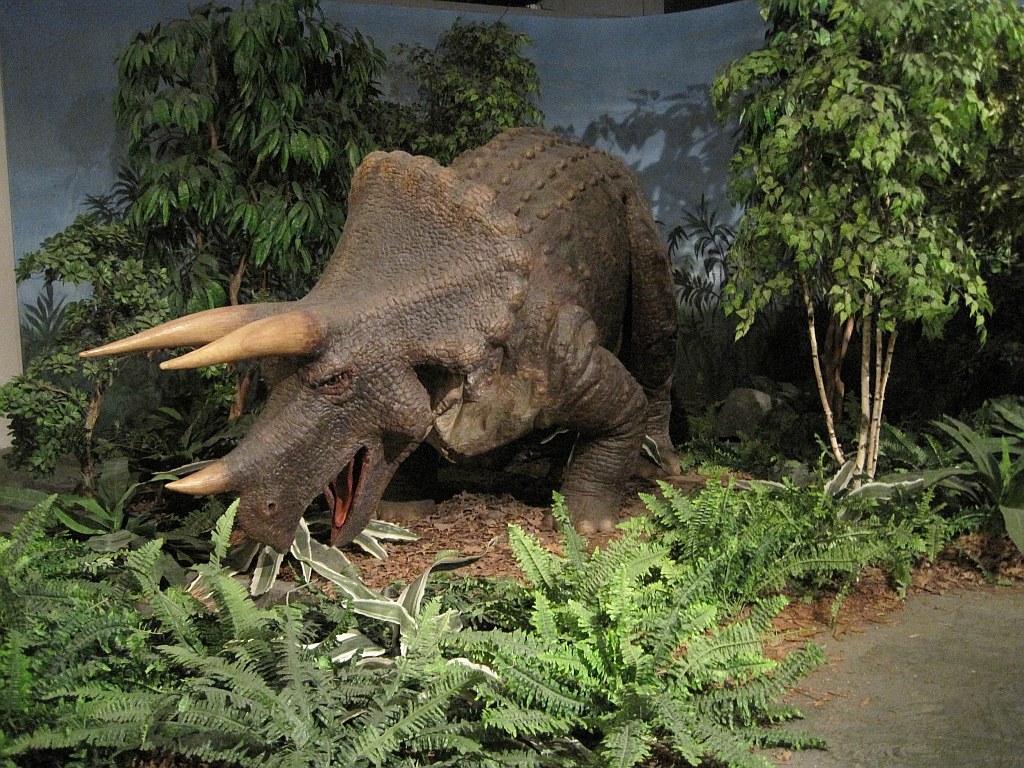
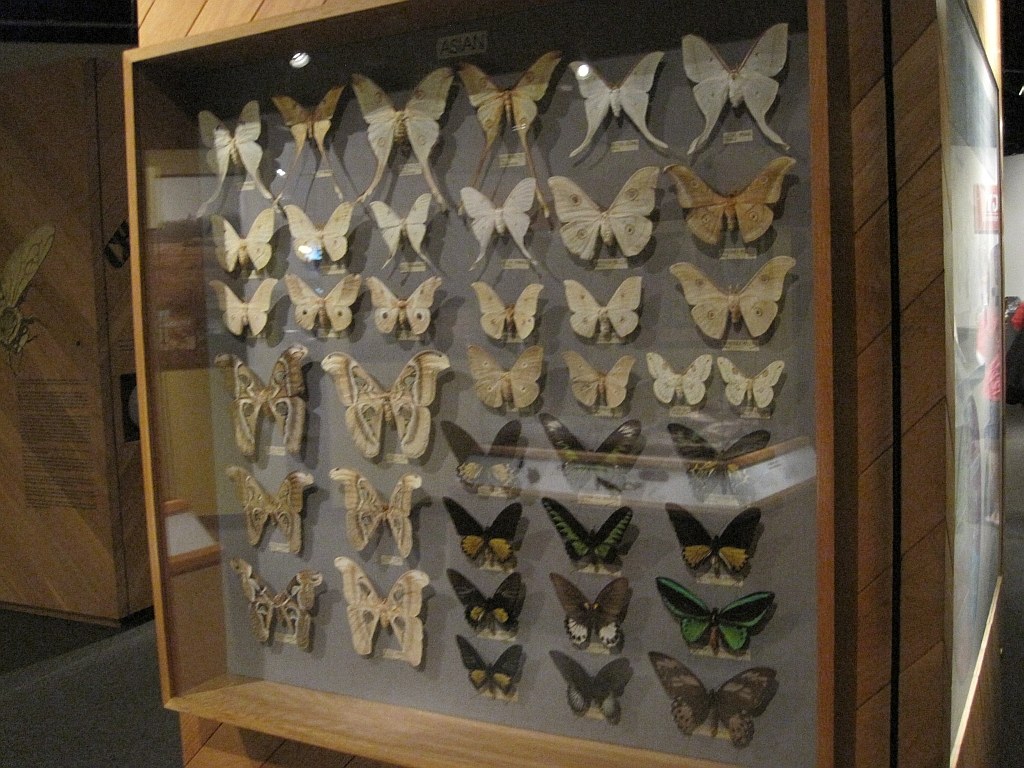
The permanent exhibits, as described on the museum’s own site, mix natural-history material with local industrial and social history. Notable holdings include:
- A full-scale replica of an early Piggly Wiggly store, tracing the self-service grocery model Saunders introduced to Memphis and, from there, the country.
- Fossil and natural-history displays, including material connected to the Coon Creek fossil beds in West Tennessee.
- The Clyde Parke miniature circus, a large hand-carved and hand-painted model circus built over decades by a private collector and later acquired by the museum.
- Regional history exhibits covering the growth of Memphis and the Mid-South more broadly.
The Sharpe Planetarium and an IMAX theatre operate as separate ticketed attractions within the same museum complex, with their own program schedules set by MoSH rather than fixed showtimes that stay constant year to year.

Is the Pink Palace mansion itself protected as a historic building?
The building is recognized as a significant piece of Memphis architectural history because of both its scale and the unusual circumstances of its construction and abandonment by its original owner. Readers wanting the formal listing status, exact registration date and architectural description should check the National Register of Historic Places database directly, since that is the authoritative record for such designations rather than the museum’s own promotional material.
What does the Lichterman Nature Center have to do with the Pink Palace?
Lichterman Nature Center is a separate site in East Memphis, also operated by MoSH, built around a lake and woodland trails rather than indoor galleries. It functions as the museum’s outdoor and environmental-education arm — a distinct visit from the mansion itself, with its own site and hours to check separately.
How does the Pink Palace fit into Memphis’s wider museum landscape?
Memphis has several museums that grew out of one family’s or one founder’s private collection or fortune rather than a civic committee’s plan — the Pink Palace, built from a grocery magnate’s short-lived wealth, is one clear example. It sits alongside other Memphis institutions shaped by a single collector or founder, such as the Dixon Gallery and Gardens, built around a private art collection, and the Cotton Museum at the Memphis Cotton Exchange, which occupies a working trading floor rather than a purpose-built gallery.
For a fuller sense of how Memphis’s museums divide by subject — music history at the Stax Museum of American Soul Music and the Memphis Rock ‘n’ Soul Museum, civil-rights history at the National Civil Rights Museum at the Lorraine Motel, and natural and local history at the Pink Palace — the Museums & Galleries archive lists them by type rather than by neighborhood.
Where is the Pink Palace, and how do visitors get there?
The mansion sits on Central Avenue in Midtown Memphis, a residential and institutional stretch of the city rather than a downtown tourist corridor. It is not within easy walking distance of Beale Street or the riverfront, so a visit typically means driving or arranging transport separately from a downtown-based day.
Opening days, ticket prices for the mansion, planetarium and IMAX (which are sold separately or as combination tickets, depending on the museum’s current policy), and any discount days change over time, so readers should confirm current information on the Memphis Museum of Science and History’s own site before planning a visit. The Memphis practical guide covers how museum visits like this one typically fit into a wider day of getting around the city.
Is the Pink Palace worth a Memphis resident’s time, not just a visitor’s?
For residents, the museum functions less as a one-time stop and more as a recurring destination — a place for school trips, planetarium shows, and rotating temporary exhibits that change through the year, distinct from the fixed permanent galleries. Memphis city and Shelby County school programs have historically used the museum for field trips, a pattern documented on the museum’s own education pages rather than something particular to any one school year.
Because the mansion and its collection tell a specific, local story — one Memphis retailer’s rise and fall, and what the city chose to do with the building afterward — it reads differently to someone who already knows the Piggly Wiggly name from grocery aisles than to a visitor encountering the story for the first time. Either way, it is one of the clearer examples in Memphis of a private fortune becoming public infrastructure by accident rather than design.
Readers building a broader itinerary around Memphis museums and landmarks can start from the Memphis guide, which organizes sites by category rather than by proximity, or the Landmarks & Sights archive for buildings recognized in their own right rather than for their collections. For a sense of how museums and daily life intersect for people who actually live in the city — school trips, membership patterns, seasonal crowds — the Living in Memphis hub covers that ground directly rather than as an aside to a visitor itinerary.
Access Memphis is an independent guide written from published, checkable sources. We have not visited the places described here and we do not publish personal recommendations or invented ‘local favourites’ — where something is singled out as notable, we say who says so. Opening times, fares, closures and prices change at short notice, so treat everything here as a starting point and confirm with the museum, operator or venue directly before building a day around it. We give no advice on visas, insurance, health or safety; use your own government’s official guidance for those.