A civil-rights day in Memphis has a fixed centre — the National Civil Rights Museum at the former Lorraine Motel — and two other buildings a short drive or ride away, Clayborn Temple and Mason Temple, both directly tied to the 1968 sanitation workers’ strike. Together they form a route that can be walked and driven in a single day, without padding it with anything unrelated.
What does a civil-rights day in Memphis actually cover?
It covers one museum built around a preserved assassination site, and two working or restored buildings connected to the strike that brought Dr. Martin Luther King Jr. to Memphis in 1968. There is no separate “circuit” beyond this; other Memphis sites touch Black history and music history broadly, but these three are the ones with a direct, documented record.
The core stop is the National Civil Rights Museum at the Lorraine Motel. The museum’s own site describes the Lorraine as the motel where King was staying, and where he was shot on the balcony outside Room 306, on April 4, 1968. The museum was built around the motel structure and expanded into an adjacent building; the National Park Service and the Tennessee Historical Commission both list the site, and its exhibits trace the broader civil-rights movement from the era of enslavement through the 1968 assassination and its aftermath, not the assassination alone.
Where does the day start, and why the Lorraine Motel?
It starts at the museum because it anchors the other two sites historically and geographically, and because it is the only one of the three built specifically as an exhibition space, with the depth of collection to set up what follows. The balcony and Room 306 are preserved as they were; later galleries hold artifacts, recorded testimony and a curated account of the strike that had brought King to the city.
Because the museum is dense — the operator’s own site notes several hours are typical for a full visit — it is worth treating as the day’s main commitment rather than one stop among several. Many visitors pair it with the immediate area before moving on. Downtown Memphis is where the museum sits, and the neighbourhood’s boundaries and layout are covered separately for context on what else is nearby.
What is Clayborn Temple, and why does it matter?
Clayborn Temple is a church building in downtown Memphis that served as the staging ground for the 1968 sanitation workers’ marches, including the point from which strikers carried the “I AM A MAN” placards that became the strike’s defining image. It is a standing structure, not a museum, and is documented on the National Register of Historic Places.
The Clayborn Temple 1968 explained page on this site covers its role and current status in more detail. Nearby, the I AM A MAN Plaza is a public memorial space built around that same phrase and strike, separate from the temple itself but a short walk from it.
What is Mason Temple, and what happened there?
Mason Temple is the headquarters church of the Church of God in Christ, on Mason Street in Memphis, and the building in which King delivered his final speech, “I’ve Been to the Mountaintop,” on the night of April 3, 1968, the evening before his assassination. It is a working church, still the denomination’s headquarters, and it is documented on the National Register of Historic Places for this history.
The Mason Temple and Mountaintop speech page here covers what the building is and how the speech is documented. Because it functions as an active church rather than a visitor site, access on any given day depends on the congregation’s own schedule — this is a detail to confirm directly rather than assume.

Is there a photography record of the movement to see?
Yes. The Withers Collection Museum and Gallery in downtown Memphis holds the work of Ernest Withers, a Memphis photographer who documented the civil-rights movement across the South, including scenes from the 1968 strike. The Withers Collection Museum and Gallery explained page covers what the gallery holds and where it sits. It is a smaller, more specific stop than the Lorraine Motel museum, and it fits naturally into the same downtown route rather than requiring a separate trip.
How do you get between these sites?
The Lorraine Motel and Clayborn Temple are both within the compact downtown grid and are realistically walkable for someone comfortable covering ten to fifteen minutes on foot between stops; the Withers Collection sits in the same area. Mason Temple is further out — closer to the edge of downtown than inside it — and is more commonly reached by car or rideshare than on foot.
Memphis’s downtown trolley, covered on the Main Street Trolley explained page, runs a fixed route through the core of downtown and can shorten some of the walking, though it does not reach Mason Temple. The city’s bus network, MATA, is described on the MATA and the Memphis bus network page; it is the more complete option for reaching sites outside the immediate downtown grid, at the cost of the schedule flexibility a car offers. Whether a car is worth renting for a day like this specifically is addressed on the do you need a car in Memphis page.
How much time does this actually take?
A realistic version of this day allows several hours for the National Civil Rights Museum alone, given the depth of its galleries, then treats Clayborn Temple, the I AM A MAN Plaza and the Withers Collection as a shorter downtown loop of an hour or two combined, and reserves a separate block — including travel time — for Mason Temple. Attempting all four sites plus anything unrelated in the same day tends to compress the museum visit, which is the one part of the day that rewards not rushing.
Readers building a broader Memphis itinerary around this can see how a civil-rights-focused day sits inside a longer visit on the first visit to Memphis, in a sensible order page, or check what a second or third day typically makes room for on the two days in Memphis and third day in Memphis pages.
What should residents know that visitors might not?
For people who live in Memphis, the more useful fact is that this history is not confined to a single museum day — it is embedded in buildings that remain in active use. Mason Temple holds regular services as the Church of God in Christ’s headquarters; Clayborn Temple has been the subject of an ongoing restoration effort covered by local and national preservation bodies, not a fixed, finished exhibit. Treating these as static “sights” rather than as buildings with a continuing institutional life misses part of what the Tennessee Historical Commission’s own listings are documenting.
The museum itself periodically runs free or reduced-admission windows and updates its hours; its own site is the only reliable source for current figures, and this site does not reproduce prices or times that go stale within weeks. The same caution applies to any specific opening hours for Mason Temple as a working church.
What else in Memphis connects to this history?
Beyond these three sites, the wider record of Black Memphis history — neighbourhoods, institutions and figures tied to the civil-rights era and to the century before it — is broader than a single day can hold. The Memphis guide hub and the museums and galleries archive both index other institutions with a documented connection, and the landmarks and sights archive covers standing buildings and memorials across the city, including Elmwood Cemetery’s own documented record of figures from this history. For planning the mechanics of the day itself — getting downtown, parking, and moving between neighbourhoods — the Memphis practical hub is the starting point.
Access Memphis is an independent guide written from published, checkable sources. We have not visited the places described here and we do not publish personal recommendations or invented ‘local favourites’ — where something is singled out as notable, we say who says so. Opening times, fares, closures and prices change at short notice, so treat everything here as a starting point and confirm with the museum, operator or venue directly before building a day around it. We give no advice on visas, insurance, health or safety; use your own government’s official guidance for those.
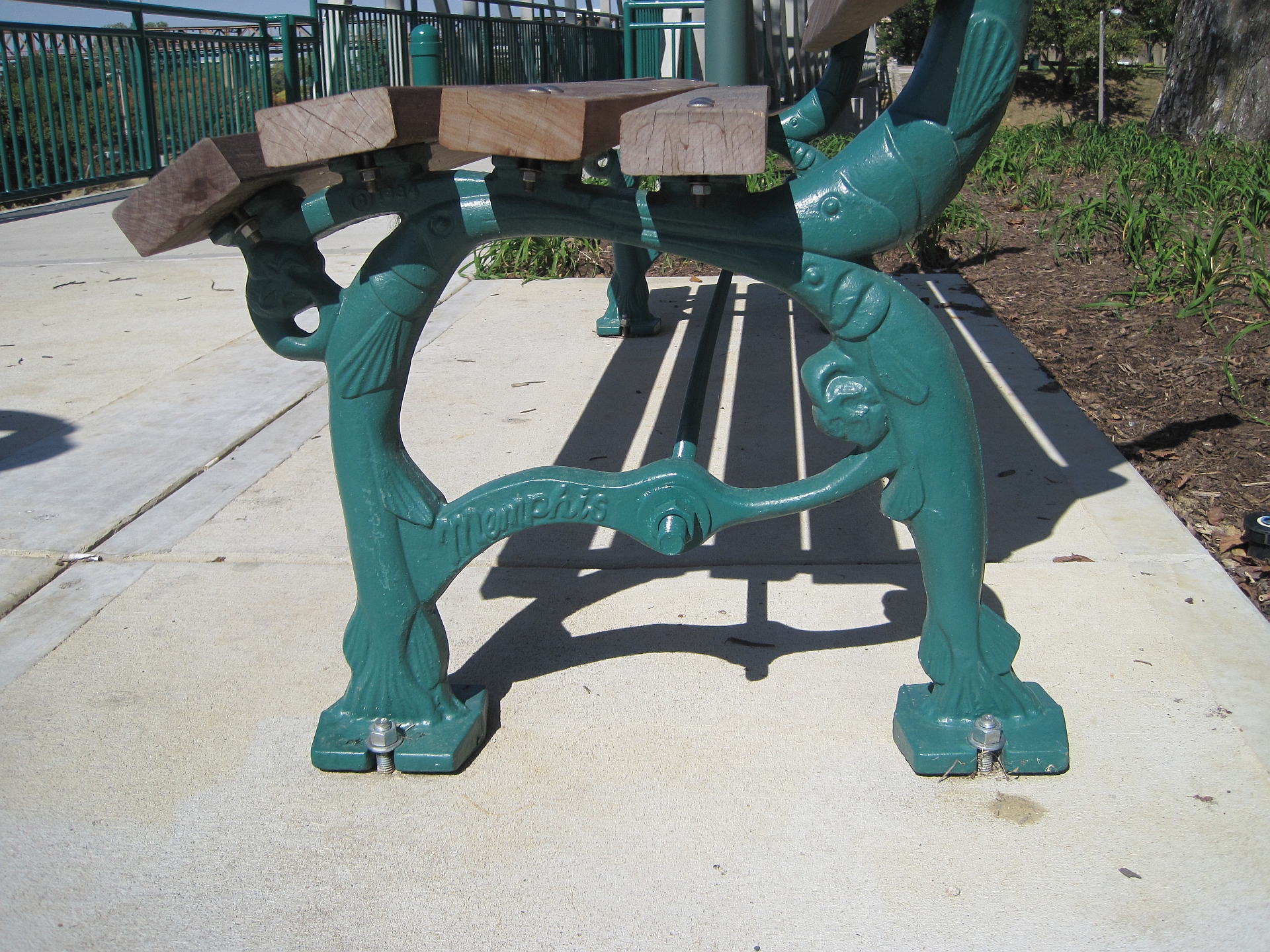
Featured image: Photo by Thomas R Machnitzki, source, CC BY 3.0
