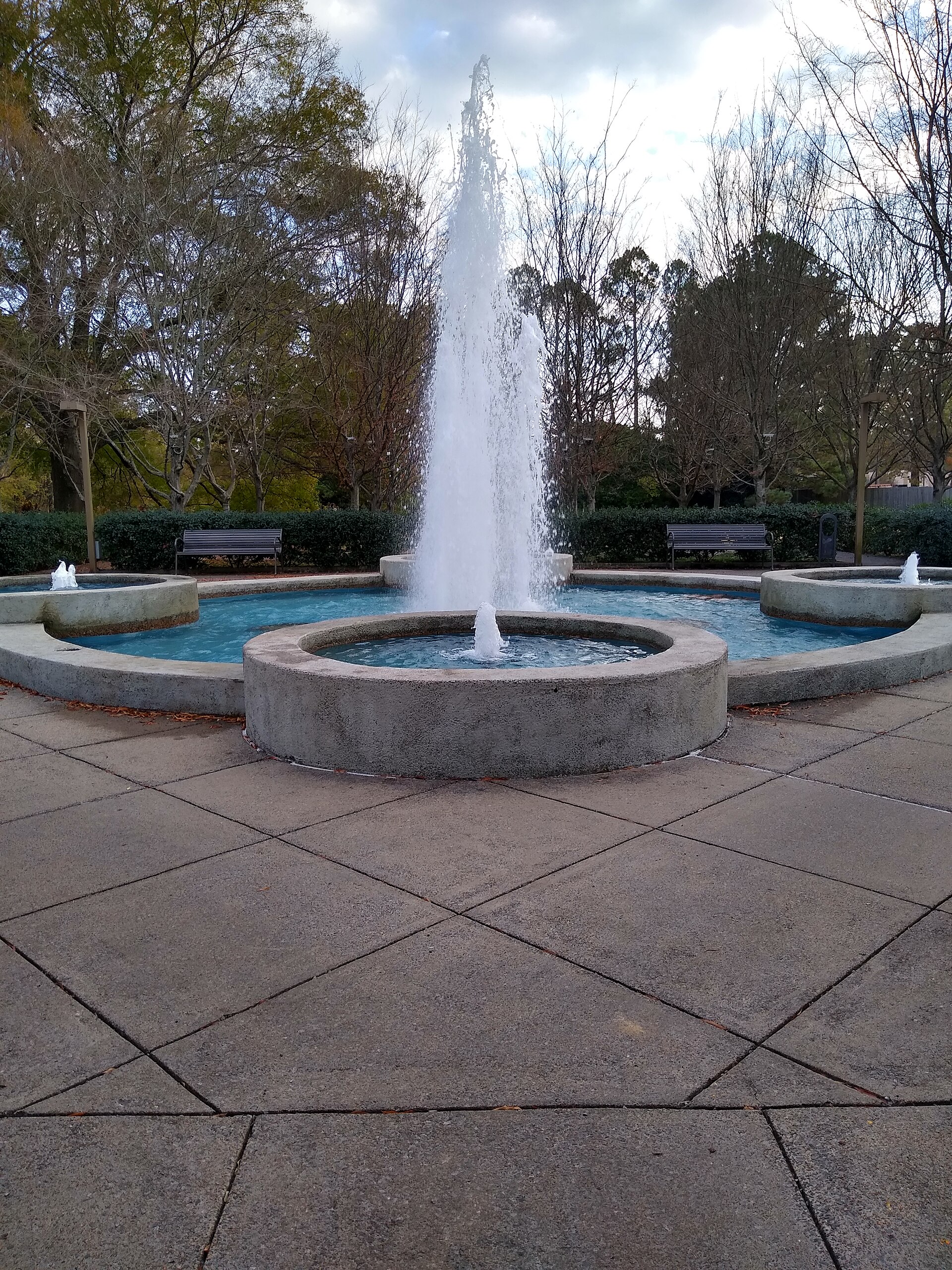
The Memphis Botanic Garden is a public garden in East Memphis made up of more than two dozen themed plantings — a Japanese garden, an iris garden, a rose garden, a children’s garden and several others — spread across land inside the city’s Audubon Park. It is run by a nonprofit, not a city department, and it charges its own admission.
Where is it, and who actually runs it?
The garden sits on Cherry Road in East Memphis, on the grounds of Audubon Park, a city park that also holds a golf course and other public recreation land. The garden itself is operated by a private nonprofit, Memphis Botanic Garden, Inc., whose own site describes the organization as managing the collection, the grounds, and the visitor center known as the Goldsmith Civic Garden Center — the building that handles admissions, events and programming.
That split matters for how the place functions: the surrounding park is public and free to enter, but the garden proper is a fenced, ticketed institution within it, closer in structure to a botanical museum than to open parkland.
What gardens and collections does it actually contain?
According to the garden’s own site, the property covers roughly 96 acres and is organized into more than 30 distinct gardens rather than one continuous landscape. The named collections include, among others:
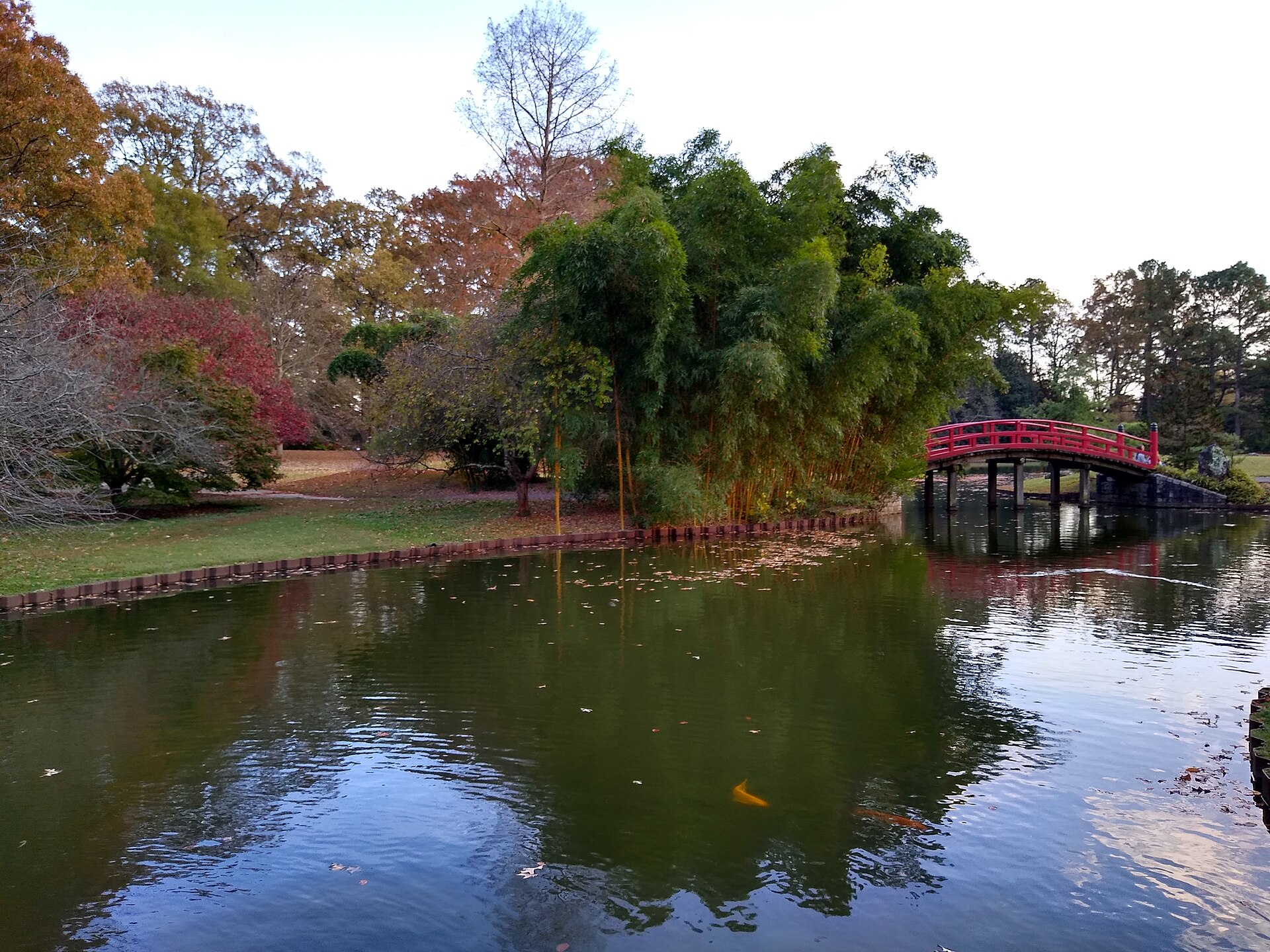
- A Japanese Garden of Tranquility, built around still water and a stroll-garden layout
- An iris garden and a daylily garden, reflecting Memphis’s long involvement in daylily and iris hybridizing circles
- A rose garden and a herb garden
- A sensory garden, designed around touch and scent rather than only sight
- Woodland and wildflower plantings that use native species rather than ornamental beds
- A children’s garden known as My Big Backyard
The effect, as the garden’s own materials describe it, is less a single formal park than a set of small, distinct rooms — a visitor moves between a shaded woodland path and a clipped formal rose bed within a few minutes’ walk.
What is the Japanese Garden of Tranquility?
It is the garden’s best-established single collection: a Japanese-style stroll garden built around a pond, stone paths and pruned plantings, intended to be walked slowly rather than viewed from one point. The Memphis Botanic Garden’s own site places it among the oldest and most developed sections of the property, and treats it as a distinct garden-within-the-garden rather than a themed corner of a larger bed.

What happens at Live at the Garden?
Live at the Garden is the name of an outdoor concert series the Memphis Botanic Garden has hosted on its grounds, using an amphitheater built into the property for that purpose. It is a warm-season pattern rather than a fixed calendar of dates — the garden typically schedules a run of evening shows across the hotter months and stops for winter, with the specific lineup and dates set year to year. Readers should check the garden’s own site for the current season’s schedule rather than rely on a remembered date; this is exactly the kind of practical detail that goes stale fastest.
Is it a place to take children?
My Big Backyard, the garden’s dedicated children’s section, is built around hands-on and outdoor play rather than static beds — the kind of feature that distinguishes a working botanic garden from a purely ornamental one. For a family weighing it against other options in the city, it sits alongside other child-oriented stops covered on this site’s day in Memphis with children guide, which weighs it against the zoo and other outdoor options.
How does it compare to Memphis’s other parks and green spaces?
Memphis has several large public green spaces that are easy to conflate with each other, and it helps to keep the distinction clear. Overton Park, in Midtown, includes an old-growth forest remnant and the Memphis Zoo, and is free, city-owned parkland throughout. Shelby Farms Park, further east, is a much larger multi-use park built around trails, a lake and open pasture. The Memphis Botanic Garden is smaller and more curated than either — a ticketed, cultivated collection rather than open parkland — and it sits inside, but is functionally separate from, Audubon Park itself.
For a reader trying to plan around all of them, the broader shape of the city’s park system and the neighbourhoods they sit in is covered in this site’s Parks & Riverfront section, and East Memphis itself — the wider area the garden sits in — is described on the what is East Memphis page.
What should a visitor know about tickets and hours?
The garden charges admission and sets its own hours, both of which change by season — expect shorter winter hours and adjustments around events like Live at the Garden. Rather than repeat a figure that will be out of date within months, the reliable approach is to check the Memphis Botanic Garden’s own site directly before a visit, since it is the only authority on its current pricing and hours.
Seasonal timing matters here more than at a museum: the iris and daylily collections peak in spring and early summer, the rose garden holds its display through the warmer months, and winter is a genuinely quieter period with fewer things in bloom. A reader building a trip around a specific collection should plan for that seasonal rhythm rather than assume the garden looks the same year-round.
Can you get there without a car?
The garden sits in East Memphis, a car-oriented part of the city compared with Downtown or Midtown. Getting to it without a car is possible in principle via the city’s bus network, but it is not a straightforward walk from the riverfront or from most hotel districts. Readers weighing whether a car is worth renting at all should start with this site’s do you need a car in Memphis page before deciding how to reach East Memphis attractions generally.
For a wider sense of where the garden fits among the city’s museums, landmarks and neighbourhoods, the Memphis guide hub lays out how sights across Downtown, Midtown and East Memphis relate to each other, and the Museums & Galleries archive covers the indoor institutions that pair naturally with an outdoor stop like this one.
Access Memphis is an independent guide written from published, checkable sources. We have not visited the places described here and we do not publish personal recommendations or invented ‘local favourites’ — where something is singled out as notable, we say who says so. Opening times, fares, closures and prices change at short notice, so treat everything here as a starting point and confirm with the museum, operator or venue directly before building a day around it. We give no advice on visas, insurance, health or safety; use your own government’s official guidance for those.
Featured image: Photo by Bubbahotepblues, source, CC BY-SA 4.0
