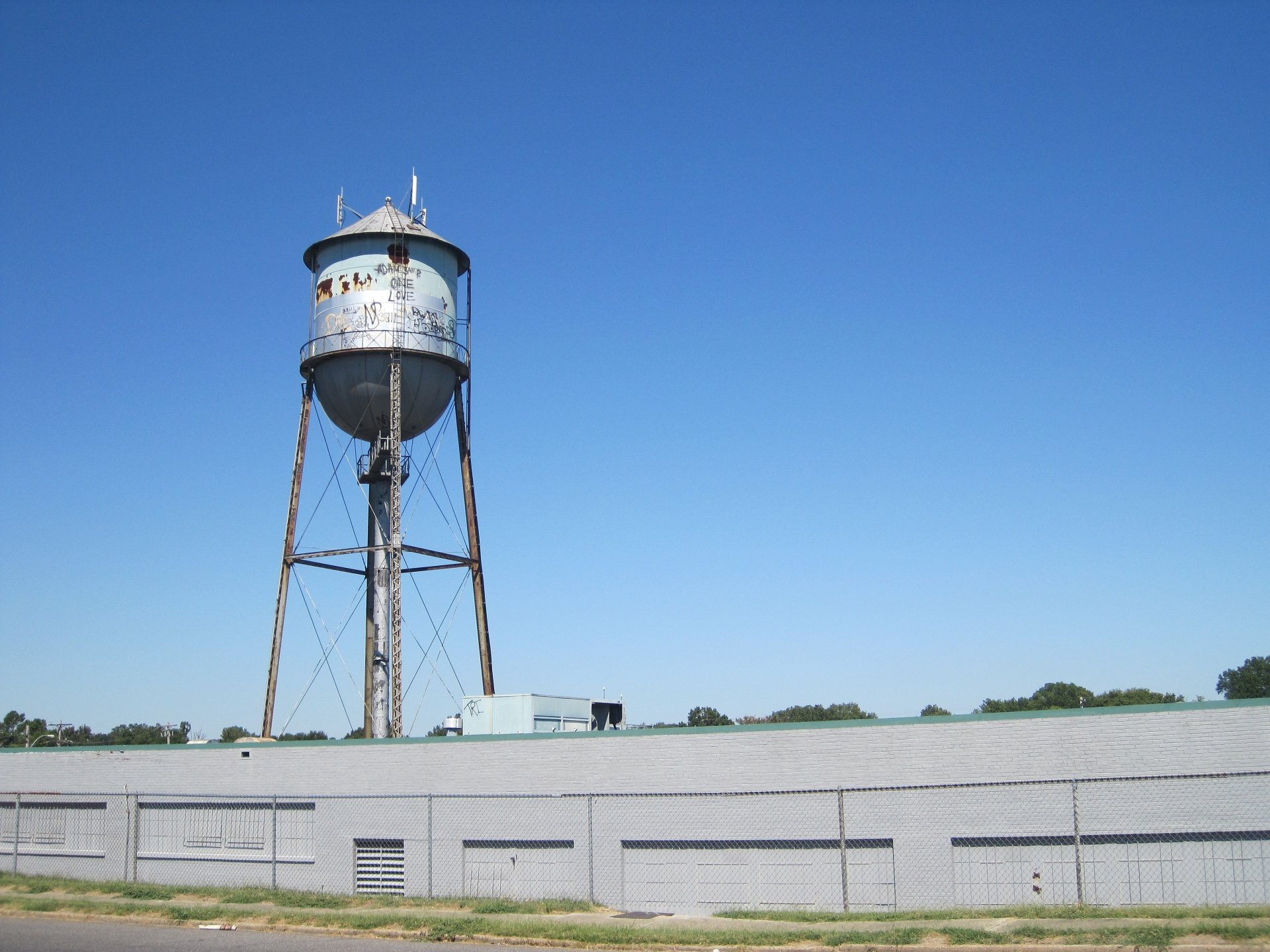
Binghampton is a neighborhood in the city of Memphis, Tennessee, sitting north and east of Midtown, roughly between Summer Avenue and Sam Cooper Boulevard. It began as an independent community outside the city before Memphis annexed it in the early twentieth century, and it is generally described by local historians and community organizations as one of Memphis’s oldest residential districts.
Where are Binghampton’s boundaries?
Binghampton occupies a roughly rectangular area of north-central Memphis. Its boundaries are commonly given as Summer Avenue to the north, Sam Cooper Boulevard to the south, National Street or thereabouts to the west, and the area around Highland Street and the Wolf River to the east. It borders the Vollintine-Evergreen area to the west and lies north of the University District, where the University of Memphis’s main campus sits along Central Avenue and Highland.
Because these boundary lines are drawn differently by different city planning documents and neighborhood associations, a reader looking for a precise legal boundary should check the City of Memphis’s own planning or GIS resources rather than treat any single map as definitive.
How did Binghampton get its name?
The name is generally traced to the Bingham family, early landowners in the area, and predates the neighborhood’s absorption into Memphis. It is spelled with two “m”s and two “p”s — Binghampton, not Binghamton — a detail that distinguishes it from the New York city of the same near-name, a point noted often enough locally that it is worth stating plainly.
Sam Cooper Boulevard, which forms the neighborhood’s southern edge, is named for a Memphis newspaperman and public figure, Sam Cooper — not the soul singer Sam Cooke, whose name is spelled differently. The two are unrelated, and the confusion is common enough to be worth clearing up on first mention.
What was Binghampton before it was part of Memphis?
Before annexation, Binghampton functioned as its own small community built around rail lines, small mills, and working-class housing, distinct from the plantation and cotton-factor economy that shaped Memphis’s riverfront core. Community history compiled by local development organizations describes it as a settlement of modest frame houses built for laborers and their families, with a mixed population that in its earlier decades included Irish and Italian immigrant households alongside Black residents, some of whom had arrived during and after the Great Migration.
Over the twentieth century the neighborhood’s population became predominantly African American, a shift documented in the same community-history material and consistent with broader patterns of residential change across Memphis in that period. Binghampton today is treated by the city and by neighborhood nonprofits as a working-class, historically Black neighborhood with a housing stock that is older, on average, than most of Memphis’s postwar suburbs.

How does Binghampton connect to the Broad Avenue Arts District?
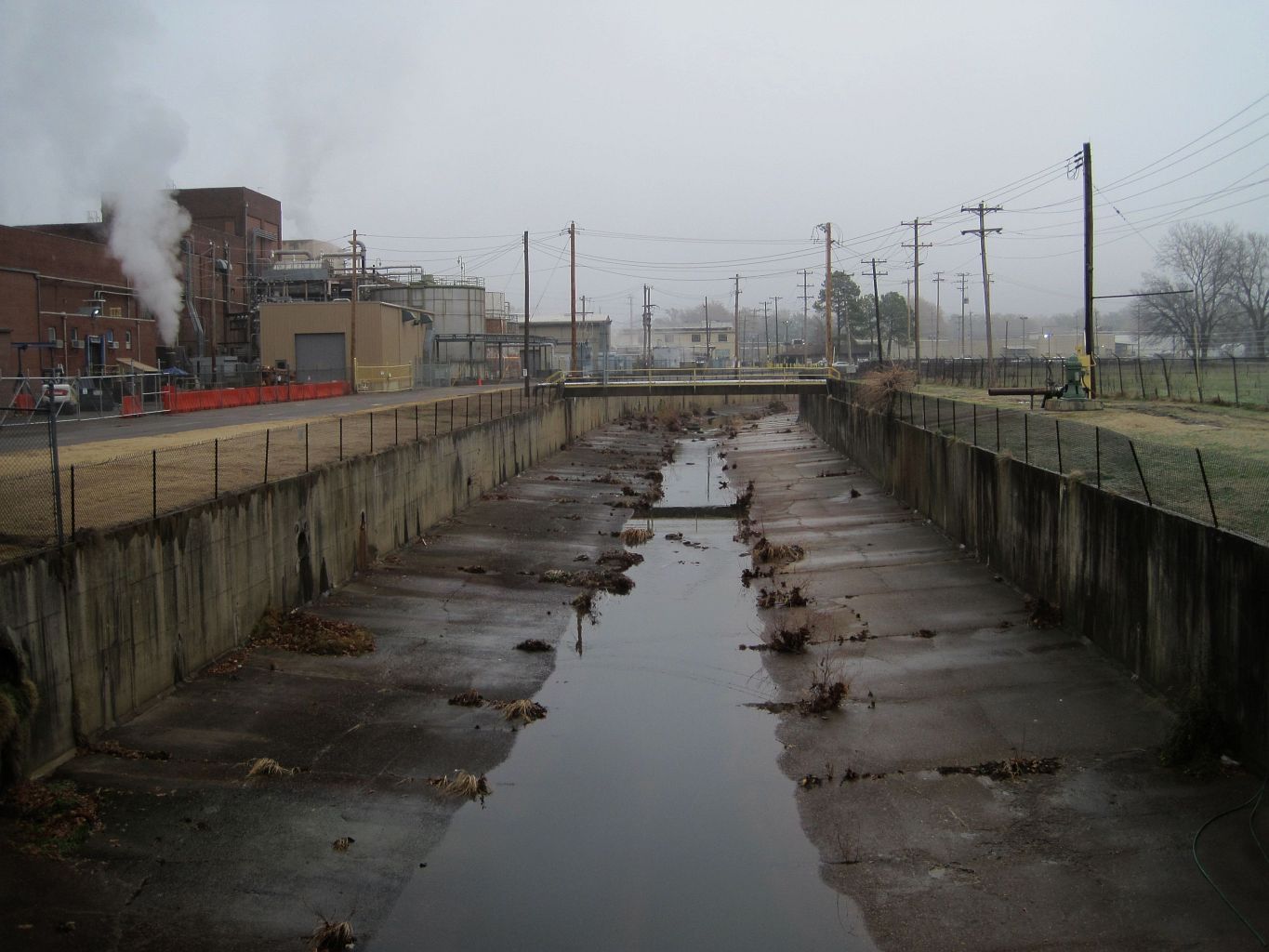
Broad Avenue, the commercial corridor now known for its cluster of galleries, studios and small businesses, runs along the southern portion of Binghampton and is treated by the city and by district organizers as sitting within or directly adjacent to the neighborhood, depending on which boundary is used. The Broad Avenue Arts District is best understood as a commercial and cultural revival built on a street that was already part of Binghampton’s original footprint, rather than as a separate neighborhood grafted onto it.
This matters for how the area reads on a map: a visitor exploring Broad Avenue’s storefronts is, in a strict sense, standing at the edge of Binghampton, even though most tourism material discusses the arts district on its own terms.
What organizations work in Binghampton today?
Binghampton has been a focus of community development work for decades, largely because of its older housing stock and the disinvestment that affected many inner-city Memphis neighborhoods in the late twentieth century. A community development corporation historically associated with the neighborhood — operating for a period under the name Binghampton Development Corporation and later reorganized under a different name — has run housing rehabilitation, homeownership and youth programs in the area, according to its own published materials. Readers wanting current, verifiable detail on any active nonprofit’s programs or service area should consult that organization’s own site rather than a secondhand summary.
The Lester Community Center, tied to the historic Lester School building, is another fixture referenced in city and neighborhood planning documents as a long-standing civic anchor for the area.
Is Binghampton a place visitors go?
Binghampton itself is not marketed as a tourist destination and does not appear in Memphis’s major visitor guides as a standalone stop. Its public-facing identity runs almost entirely through Broad Avenue’s galleries and studios, covered in the arts-district explainer linked above, rather than through the residential streets that make up most of the neighborhood.
For a visitor building an itinerary, Binghampton is more useful as context than as a destination: it explains why Broad Avenue looks the way it does, and it sits within reach of other Midtown-adjacent stops such as Crosstown Concourse, the redeveloped former Sears distribution warehouse a short distance to the west.
What does Binghampton tell a resident about how Memphis grew?
Binghampton is a useful case study in how Memphis expanded: a self-contained mill and rail community absorbed into the city, its population shifting over a century, its main commercial street later rebuilt around a different economy. That pattern — annexation, demographic change, disinvestment, and targeted redevelopment — recurs across several Memphis neighborhoods, and is discussed in more general terms in the city’s Living in Memphis coverage.
Anyone assembling a fuller picture of how Memphis’s inner neighborhoods relate to one another can compare Binghampton with nearby districts covered in the Neighbourhoods archive, including Midtown and Cooper-Young, both of which sit to the south and share some of the same streetcar-suburb origins.
How would someone get to Binghampton or Broad Avenue?
Binghampton and the adjoining Broad Avenue corridor are reached most directly by car via Sam Cooper Boulevard or Summer Avenue, both of which connect to Midtown and Downtown Memphis. Memphis Area Transit Authority routes serve the corridor, though route numbers and schedules change and should be checked on the operator’s own site rather than assumed from an older listing. General orientation on how the city’s bus network and major roads fit together is covered in the Getting Around section, and broader trip planning is covered in Memphis Practical.
For a wider view of how Binghampton fits alongside the city’s landmarks, museums and other districts, the Memphis Guide hub is the starting point.
Access Memphis is an independent guide written from published, checkable sources. We have not visited the places described here and we do not publish personal recommendations or invented ‘local favourites’ — where something is singled out as notable, we say who says so. Opening times, fares, closures and prices change at short notice, so treat everything here as a starting point and confirm with the museum, operator or venue directly before building a day around it. We give no advice on visas, insurance, health or safety; use your own government’s official guidance for those.
Featured image: Photo by Thomas R Machnitzki, source, CC BY 3.0
