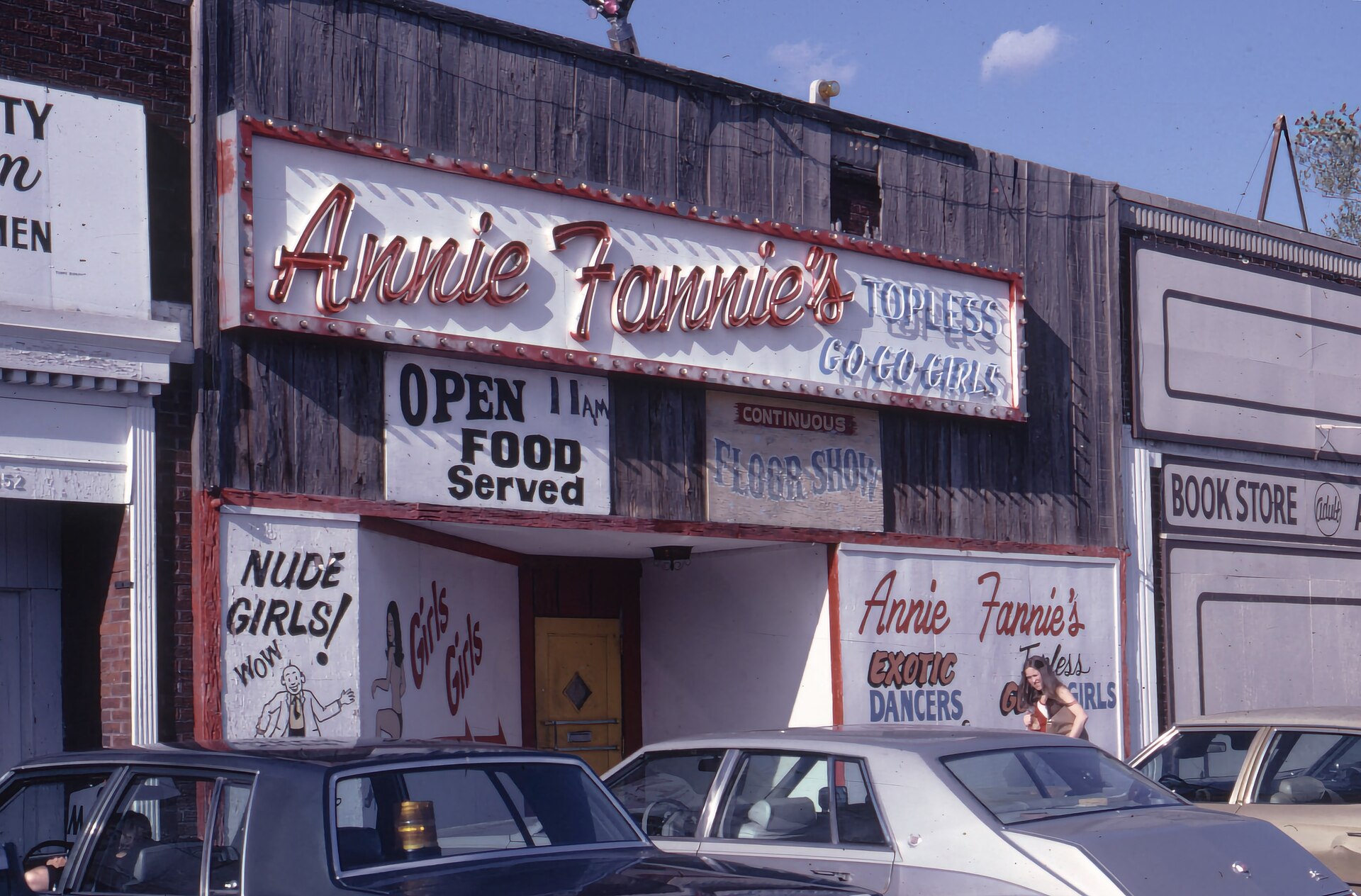
Midtown Memphis is the band of the city between Downtown and East Memphis — a district built from turn-of-the-century residential neighborhoods, a concentrated medical center, two universities and a string of independent commercial strips, rather than a single landmark or tourist corridor. People call it “the real city” because it is where most of Memphis’s day-to-day civic and residential life actually happens.
Where does Midtown Memphis actually start and end?
Midtown has no single legally fixed boundary the way a zip code does, but it is consistently described by residents, neighborhood associations and the city’s own planning documents as the area roughly bounded by Downtown to the west, East Parkway to the east, the rail and interstate corridor to the south, and North Parkway on its northern edge.
The city’s Memphis 3.0 comprehensive plan, adopted in 2019, treats Midtown as one of the city’s core mixed-use growth corridors rather than a single neighborhood, which is a useful way to understand it: Midtown is really a cluster of adjoining historic neighborhoods that share a grid, a bus network and a set of commercial spines, not one uniform district. For comparison, Downtown Memphis has its own defined boundaries tied to the river and the rail lines, and Midtown picks up immediately where that district’s density starts to thin out.
What neighborhoods make up Midtown?
Midtown is an umbrella term for several named residential and commercial areas that each have their own identity but share Midtown’s general character: older housing stock, a walkable grid, and independent retail rather than chain-anchored shopping centers.
- Cooper-Young, centered on the intersection of Cooper Street and Young Avenue, whose historic residential core is listed on the National Register of Historic Places.
- Central Gardens, a historic district of large early-20th-century homes south of Union Avenue.
- Victorian Village, a small cluster of preserved 19th-century mansions near the northern edge of Downtown.
- The Medical District, home to the University of Tennessee Health Science Center and several of the city’s major hospitals.
- Evergreen and Vollintine-Evergreen, residential neighborhoods north of Overton Park.
- The area around Overton Square and Overton Park itself, which functions as Midtown’s most concentrated entertainment and cultural node.
Why do people say Midtown is “the real city”?
The phrase shows up often in local coverage of the neighborhood, and it is generally shorthand for a specific contrast: Downtown Memphis is built around tourism, government and the riverfront, while Midtown is built around housing, hospitals, universities and small independent businesses that serve residents rather than visitors. It is the part of the city where people who live in Memphis actually run their errands, send their children to school and go to work.
That contrast is structural rather than a matter of opinion. Downtown’s population is smaller and more transient, weighted toward hotels, convention business and riverfront redevelopment covered in the city’s own riverfront planning documents. Midtown’s population is denser and more permanent, and its commercial strips — Cooper Street, Madison Avenue, Union Avenue, Poplar Avenue — are lined with locally owned businesses rather than the national chains more typical of suburban East Memphis. Local outlets such as Memphis magazine and the Memphis Flyer have repeatedly framed the district this way when writing about its restaurants, music venues and housing stock.
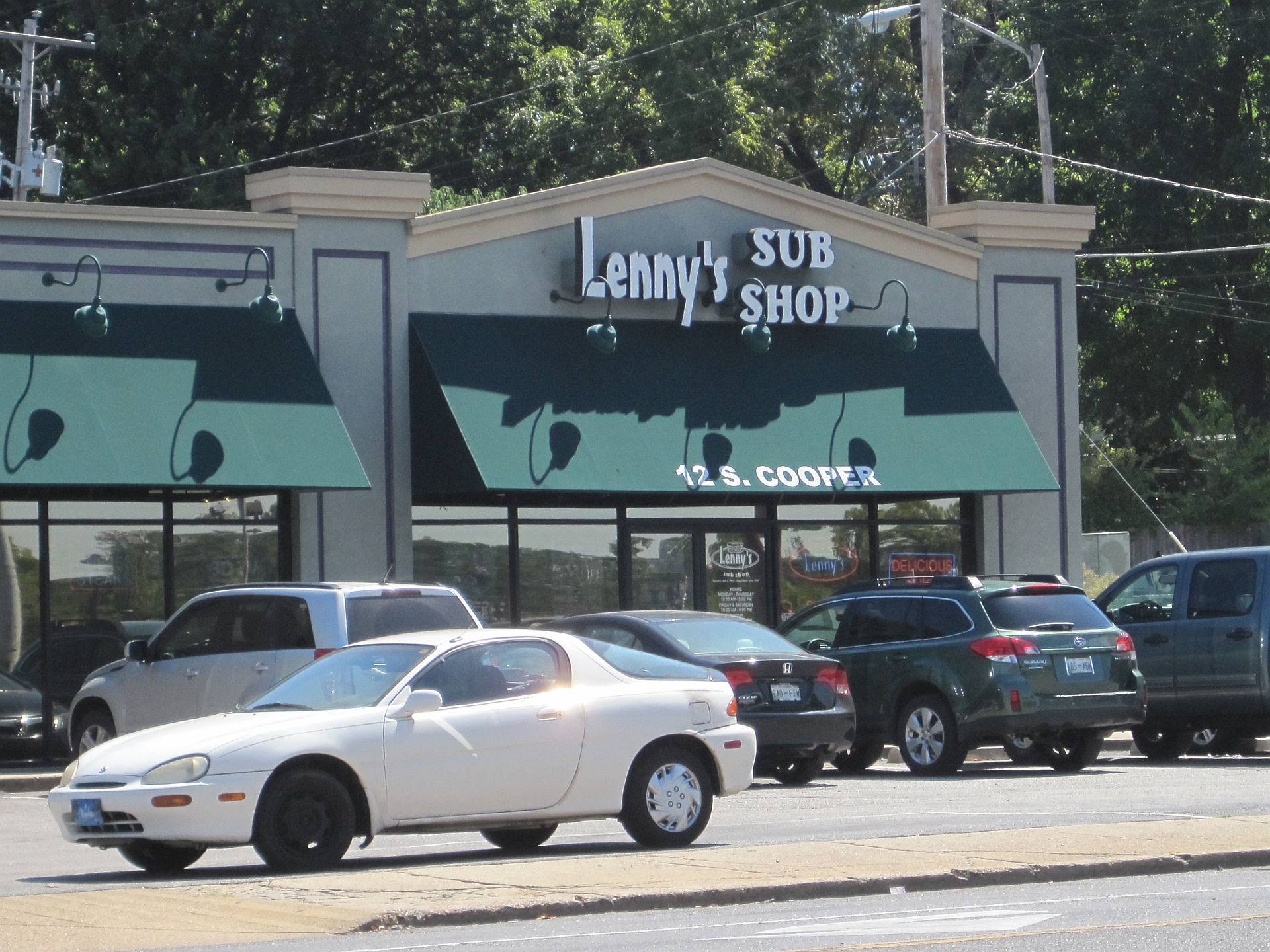

What are the major landmarks and institutions in Midtown?
Midtown’s landmarks are civic and cultural rather than monumental, which is part of why it does not read as a tourist district on first pass.
- Overton Park is a roughly 340-acre municipal park that contains the Memphis Zoo, the Levitt Shell outdoor amphitheater, and — for now — the Memphis Brooks Museum of Art, whose planned move Downtown is covered in a separate explainer on the Brooks Museum’s relocation.
- Crosstown Concourse, a former Sears distribution and retail building converted into a mixed-use complex of apartments, offices, a school and cultural space, is covered in detail in what Crosstown Concourse is and what the building was before.
- Overton Square, a commercial and theater district on Madison Avenue that includes Playhouse on the Square, is explained fully in a dedicated article on Overton Square.
- Rhodes College, a private liberal arts college with a Gothic-revival campus, sits at the northern edge of Midtown near Overton Park.
- Elmwood Cemetery, an 80-acre burial ground dating to 1852, sits at Midtown’s southern edge and is documented in a separate piece on Elmwood Cemetery and who is buried there.
Several of Midtown’s residential pockets — including Cooper-Young, Central Gardens and Victorian Village — are individually listed on the National Register of Historic Places, which is the federal government’s own record of historically significant places, maintained by the National Park Service.
How do you get around Midtown Memphis?
Midtown is served primarily by MATA, the Memphis Area Transit Authority, whose bus routes run along the district’s main corridors — Poplar, Union, Madison and Cooper — connecting Midtown to both Downtown and East Memphis. Memphis’s historic trolley system, unlike the bus network, operates only within Downtown and does not reach Midtown, which is one practical marker of where the districts actually differ.
Midtown’s street grid is older and denser than the suburban layouts further east, which makes walking and cycling more workable along its main strips, though the district is not compact in the way South Main or the Beale Street corridor Downtown are. Readers planning a visit that mixes Downtown landmarks with a stop in Midtown should check current MATA routes and fares directly, since transit schedules and fare structures change and are not something to treat as fixed. General orientation on moving around the city, including how the bus network and Downtown trolley relate to each other, is covered on the site’s practical planning hub.
What is Midtown like to live in?
For residents, Midtown functions as the city’s principal middle-density housing stock: a mix of early-20th-century single-family homes, duplexes and apartment conversions, much of it within the historic districts named above. Property here tends to be older than in East Memphis suburbs and closer to the amenities of Downtown without Downtown’s smaller and more transient population base.
The Medical District anchors a significant share of Midtown employment, with the University of Tennessee Health Science Center and several hospital systems concentrated in a few blocks near the Downtown boundary. That combination — hospitals, two colleges, and dense historic housing — is part of what gives Midtown a year-round resident population rather than one that fluctuates with tourism or conventions, and it is part of why the district reads differently on the ground than Downtown does. A broader look at how Memphis functions for people who live here, rather than visit, is on the site’s living in Memphis hub.
How does Midtown compare to Downtown and South Main?
Downtown Memphis is organized around the river, the convention and hotel core, and landmarks such as Beale Street and the Memphis Pyramid. South Main, immediately south of the Downtown core, is a smaller arts and loft district built around a specific historic warehouse footprint, covered separately in what South Main and the Arts District actually are. Midtown is neither of these: it is larger, more residential, and organized around neighborhoods rather than a single historic footprint or entertainment strip.
Understood together, the three districts describe a rough east-to-west gradient in how Memphis is built: the river and its Downtown core facing east into Midtown’s residential neighborhoods, which in turn give way to the more conventionally suburban layout of East Memphis. Readers assembling an itinerary that crosses more than one of these areas may find it useful to start from the site’s broader Memphis guide hub, which lays out the city’s museums, landmarks and neighborhoods by category rather than by fixed schedule.
What should a first-time visitor know before including Midtown in a trip?
Midtown does not function as a single walkable tourist zone the way Beale Street or South Main do; its landmarks are spread across several neighborhoods connected by road rather than by a short pedestrian loop. Visitors interested in Crosstown Concourse, Overton Park and Overton Square in the same trip should expect to drive or take transit between them rather than walk the full span.
Because Midtown’s commercial life is built on independent, locally owned businesses rather than a fixed set of chain venues, specific business names, hours and menus are not something this site tracks or lists — that detail changes too often to be reliable in print. What is durable is the shape of the district itself: historic residential neighborhoods, a concentrated medical and university corridor, and commercial strips that function as the daily infrastructure of the city rather than a backdrop for it.
For details on specific museums, historic districts and landmarks that fall within or near Midtown, see the site’s neighborhoods archive, which groups Memphis’s districts by what they actually are rather than by proximity to a single tourist route.
Access Memphis is an independent guide written from published, checkable sources. We have not visited the places described here and we do not publish personal recommendations or invented ‘local favourites’ — where something is singled out as notable, we say who says so. Opening times, fares, closures and prices change at short notice, so treat everything here as a starting point and confirm with the museum, operator or venue directly before building a day around it. We give no advice on visas, insurance, health or safety; use your own government’s official guidance for those.
Featured image: Photo by Euthman, source, CC BY 4.0
