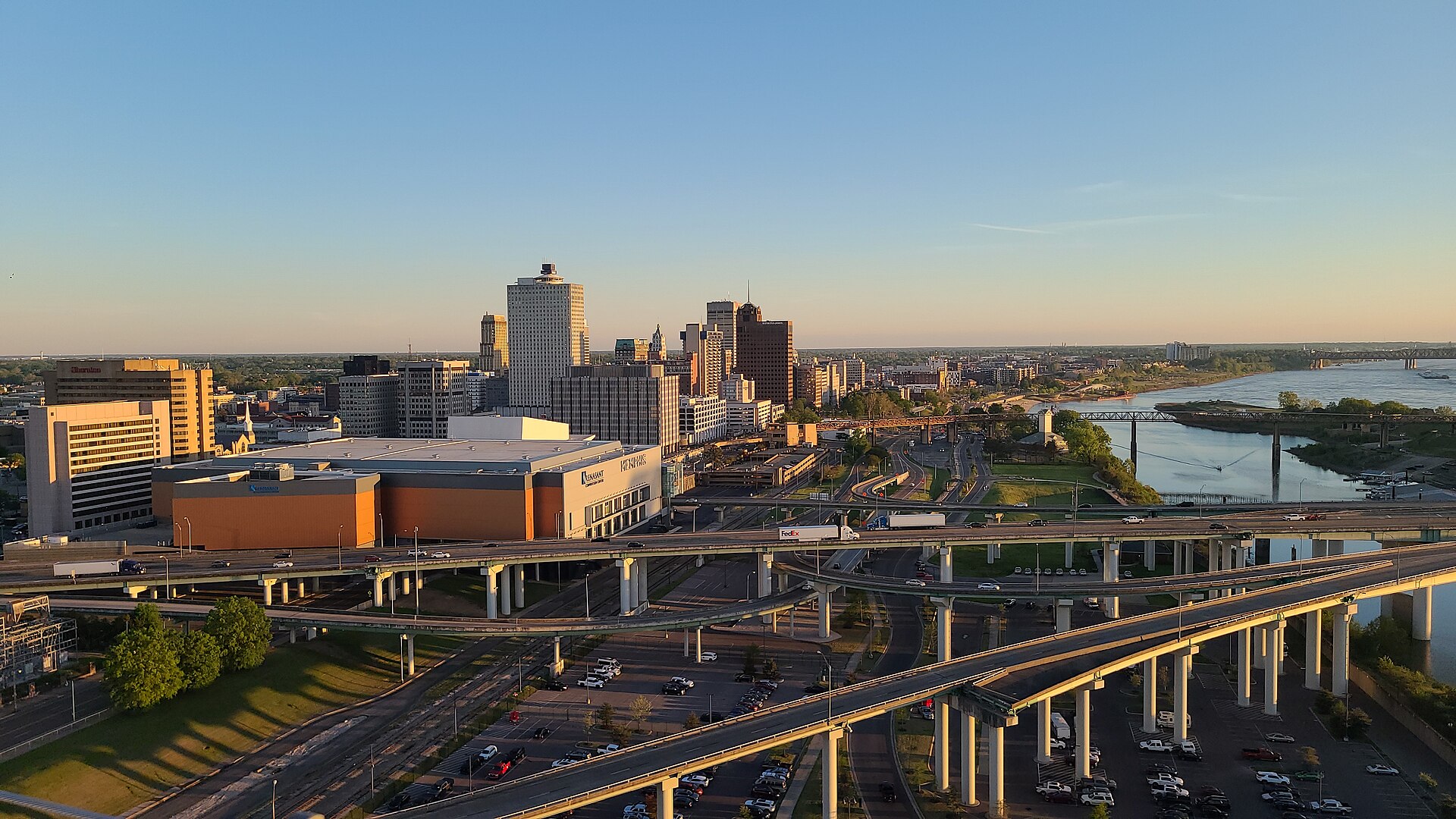
Late March through May, and again October into early November, are the two windows when Memphis’s weather cooperates and its calendar is busiest. Summers are long, hot and humid; winters are short and mild but not snow-free. There is no single “right” month — it depends on whether the reader wants festival crowds or an empty riverfront.
What does Memphis’s climate actually do across the year?
Memphis sits in a humid subtropical zone, and its year has four real seasons rather than the two-season pattern of the Deep South coast. Summers are hot and heavy with humidity; winters are short, generally mild, and occasionally interrupted by an ice storm rather than snow. The National Weather Service’s Memphis forecast office (weather.gov/meg) publishes the climate normals and any current watches or warnings, and is the source to check before travel rather than a general seasonal average.
Spring is also the region’s severe weather season. Thunderstorms, and occasionally tornado watches, are a normal part of the Mid-South’s March-to-May pattern. This does not make spring a season to avoid — it’s the busiest travel period in the city — but it does mean a spring visit benefits from checking the National Weather Service’s forecast for the days in question rather than a seasonal generalization.
Why do so many visitors plan around Memphis in May?
Memphis in May is the name of an annual, monthlong civic festival organized by the nonprofit Memphis in May International Festival, built around a barbecue competition and a music festival. Its major events are traditionally staged at Tom Lee Park, the riverfront green space along the bluff downtown. The organization’s own site (memphisinmay.org) publishes the current year’s schedule, and this site is the one to check — the festival’s exact dates and site plan have shifted in recent years alongside the park’s own redesign.
The practical effect for a visitor is downtown congestion and, during event weeks, closures on riverfront roads. Riverside Drive, the road running along the bluff, closes periodically for exactly this kind of event, and a reader planning a May visit should expect to route around it rather than through it. Hotel rates downtown also tend to move with the festival calendar, which is worth checking against the organizer’s published dates before booking.
What is Memphis like in the summer?
June through August bring the year’s heat and humidity together, and afternoons regularly sit in a range most visitors from cooler climates will find heavy rather than merely warm. This matters more in Memphis than in a city built around transit and shaded arcades, because a lot of the city’s best-known ground — the walkable parts of downtown and Midtown — involves real distances between one attraction and the next.
Summer is not a dead season here. Indoor institutions run on their normal hours, river traffic and outdoor markets continue, and the humidity is a fact to plan around rather than a reason to skip the city. A rental car, or at minimum a clear sense of whether a car is actually necessary for a given itinerary, matters more in July than in April, simply because walking distances feel longer in the heat.

Is fall the best season for a first visit?
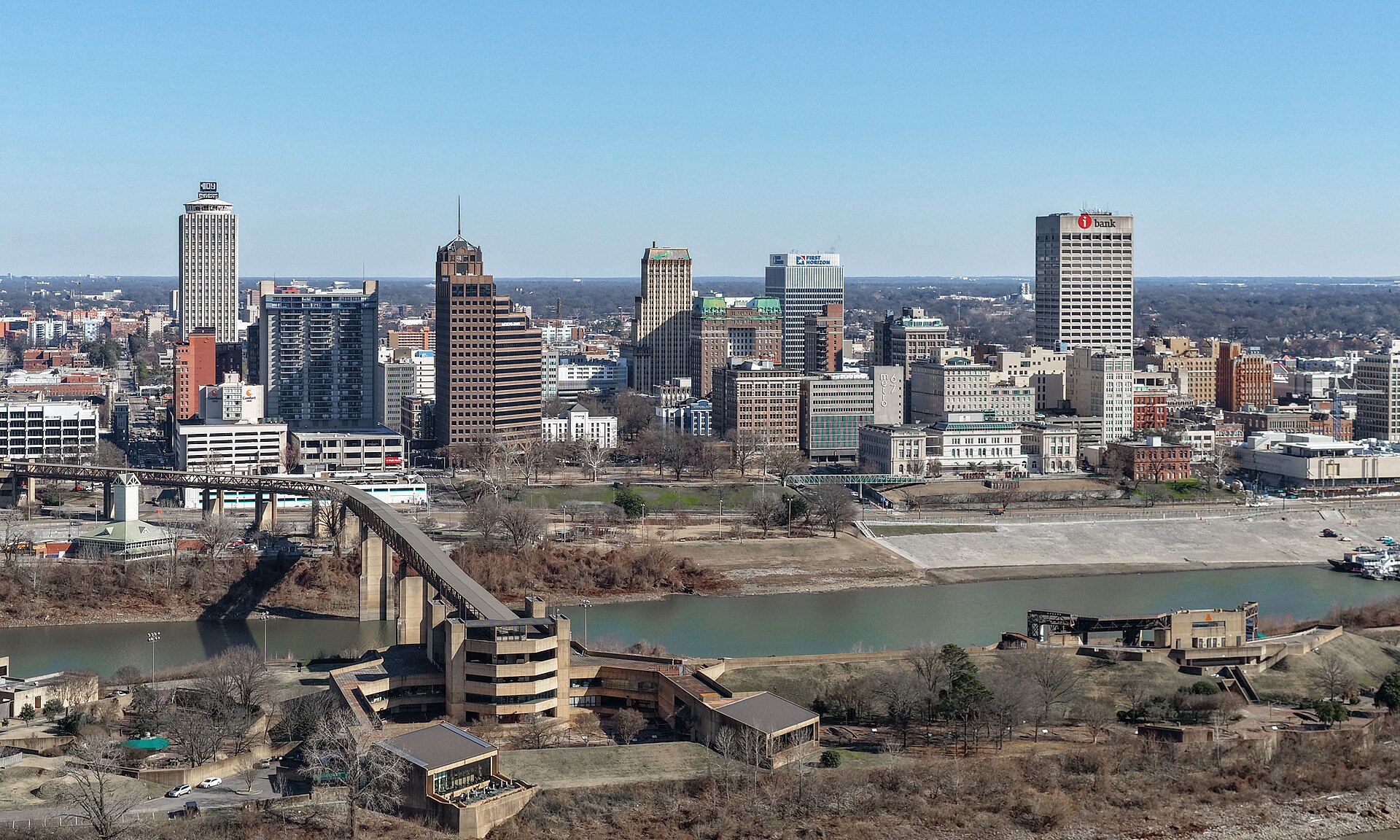
Fall is the other reliable window: daytime temperatures moderate from October, humidity drops, and the riverfront and Overton Park become more comfortable for extended walking than at any point since spring. It is also when several of the city’s neighborhood-level festivals fall on the calendar, including an annual autumn arts festival in Cooper-Young, the historic district south of Midtown. As with any named event, the current date is set by its organizers each year and should be checked directly rather than assumed to repeat on a fixed weekend.
Fall also carries less risk of severe spring storms and less heat than summer, which is part of why residents who have lived through several Memphis summers often name it, informally, as the season they’d choose for visiting family through. That is a pattern worth noting, not a guarantee — the National Weather Service’s own data is the more durable source for how a specific week is likely to run.
What happens in Memphis in winter?
Winter in Memphis is short and generally mild by the standards of the northern United States, with occasional cold snaps and, less often, an ice storm that can disrupt roads and closures citywide rather than just downtown. Snow accumulation is uncommon and the city’s infrastructure is not built around clearing it quickly, which is a fact worth knowing rather than a warning — check the National Weather Service forecast if travel coincides with a winter storm watch.
Winter is also the city’s quietest tourist season, and that has upsides: shorter lines at major museums, easier downtown parking, and lower hotel rates in the weeks outside the December holidays. The Peabody Hotel’s daily duck march, a fixture of the hotel’s lobby, runs on its own year-round schedule regardless of season, and is one of the few Memphis rituals that doesn’t shift with the calendar at all.
Does the season change how residents use the city?
For anyone actually living in Memphis rather than passing through, the seasonal calendar shapes daily choices more than any single “best month” advice can capture. Summer heat pushes outdoor exercise and dog-walking to early morning; the Shelby Farms Greenline and other outdoor routes see a different rhythm of use in July than in October. Spring’s storm pattern is a genuine part of the year to plan around — checking a forecast before an outdoor commitment is routine here in a way it isn’t in milder climates.
Festival season also changes how downtown functions for residents, not just visitors: parking, road closures and event traffic around Memphis in May and other riverfront events are a known seasonal inconvenience that regular downtown workers and Midtown residents build into their May calendar. The Planning & Practicalities section covers this kind of recurring, checkable detail — road closures, transit timing, event patterns — in more depth than a single seasonal overview can.
So, when should you actually go?
There isn’t one correct answer, only a set of trade-offs. Spring and fall offer the most comfortable weather and the busiest event calendar, at the cost of higher hotel rates and, in spring, real storm risk that’s worth checking rather than ignoring. Summer is hot and humid but functions normally, with indoor museums, riverfront markets and music venues running on their usual hours. Winter is the quietest and often the cheapest season, minus a handful of cold snaps.
Whichever season a visit lands in, the more durable planning questions — how to get around, what the neighborhoods actually are, what a given museum holds — don’t change with the weather. The Memphis Practical hub and the Living in Memphis hub are the better starting points for those, with this seasonal picture as one layer on top.
Access Memphis is an independent guide written from published, checkable sources. We have not visited the places described here and we do not publish personal recommendations or invented ‘local favourites’ — where something is singled out as notable, we say who says so. Opening times, fares, closures and prices change at short notice, so treat everything here as a starting point and confirm with the museum, operator or venue directly before building a day around it. We give no advice on visas, insurance, health or safety; use your own government’s official guidance for those.