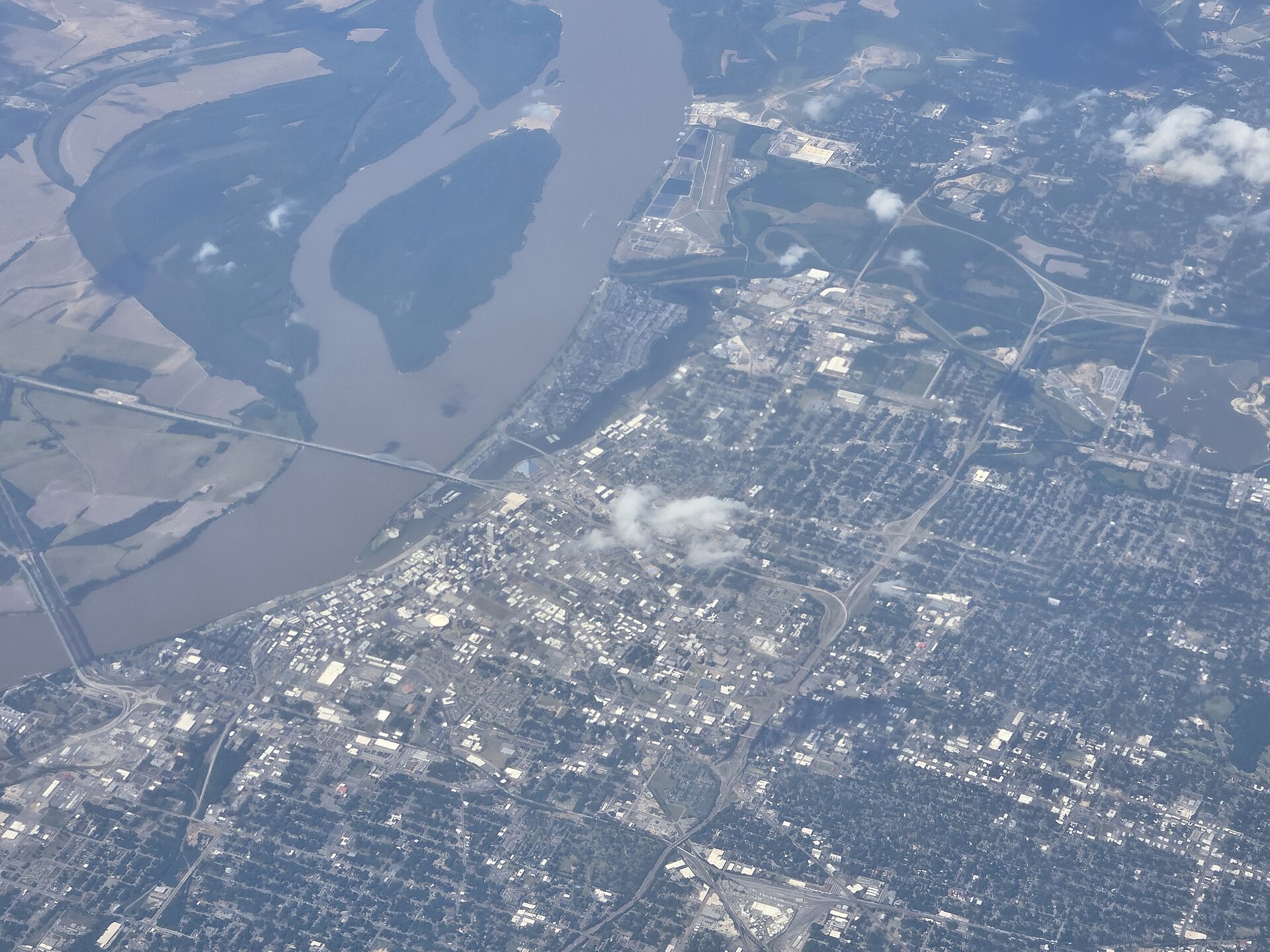
A Memphis summer is hot, humid, and long — running roughly from late May through September, with July and August the peak. The National Weather Service’s Memphis/Mid-South office records average July highs in the mid-90s Fahrenheit, and the humidity off the Mississippi River makes the heat index feel higher than the thermometer reading most afternoons.
How hot does it actually get?
The National Weather Service’s Memphis office publishes long-term climate normals for the city, and July is consistently the hottest month, with highs typically in the low-to-mid 90s Fahrenheit and overnight lows that often stay in the 70s. Heat advisories are common in July and August when the heat index — a combined measure of temperature and humidity — climbs well above the air temperature itself. Readers planning around specific numbers should check the National Weather Service’s Memphis forecast office directly, since any single figure printed here will age faster than the pattern it describes.
The shape of the season matters more than any one statistic: Memphis summers are defined by sustained heat across many consecutive weeks, not by isolated hot days. That has practical effects on everything from how museums schedule their busiest hours to when outdoor festivals set their gates.
Why does the humidity make it feel worse than the number?
Memphis sits in the Mississippi River’s floodplain, and the river, combined with the region’s dense summer air mass, keeps relative humidity high through the hottest months. This is why the National Weather Service issues heat index values separately from air temperature — on many July and August afternoons, the two numbers diverge substantially. It is a standard feature of the humid subtropical climate that covers the Mid-South, not a Memphis-specific quirk, but it is worth understanding before planning a day of walking.
How does summer change what’s open and when?
Several of the city’s outdoor and semi-outdoor attractions shift their operating patterns for the season, and this is where checking an operator’s own site matters most. The Museums & Galleries section covers what each institution holds and how visiting patterns vary; many of the city’s major indoor museums run air-conditioned galleries year-round with minimal seasonal change, while outdoor sites and the riverfront’s programmed spaces adjust hours around daylight and heat.
The Memphis Riverfront Loop and the paths through Tom Lee Park are used differently in summer than in spring or fall — early morning and evening see more foot and bike traffic, with the middle of the day thinning out considerably. This is a pattern the city’s own riverfront programming has to plan around, not an aesthetic preference.


Does summer affect the river and the parks?
Yes, in a specific and checkable way. The Mississippi River’s level fluctuates seasonally, and summer typically brings lower water than the spring high-water months, which changes how much of the riverbank and certain riverside paths are exposed or usable. The Riverside Drive closures that recur through the year are tied partly to river stage and partly to event programming, and the reasons for any specific closure should be confirmed against the city’s current notices rather than assumed from season alone.
Inland, Shelby Farms Park and the Shelby Farms Greenline remain open through summer, but shade cover and time of day become more relevant to how comfortable a walk or ride actually is. The Greenline runs along a former rail corridor with intermittent tree cover, which is a different proposition at midday in August than at 8am.
Does summer change how people get around the city?
Memphis is a car-dependent city for most trips, a pattern covered in detail in Do You Need a Car in Memphis? An Honest Answer, and summer heat reinforces that further for anyone not sticking to a compact walkable core. The walkable neighbourhoods — Downtown, South Main, parts of Midtown — remain walkable in summer, but shaded coverage is inconsistent and afternoon heat is a real factor in how far someone reasonably walks between stops.
For cycling, the honest picture is laid out in How Good Is Cycling in Memphis? An Honest Assessment: infrastructure quality varies by corridor, and summer heat compounds whatever gaps already exist, particularly on routes without tree cover. The MATA bus network and the Main Street Trolley offer air-conditioned alternatives for short hops downtown, which matters more in July than in October.
What about festivals and outdoor events in summer?
Memphis’s calendar includes a number of recurring outdoor festivals and river-adjacent events through the warmer months, timed around the riverfront and its parks. Because exact dates shift year to year and this site does not maintain a live events calendar, the durable point is the pattern: outdoor programming clusters in the evening and into the cooler parts of the day, gates often open with heat-mitigation measures like shaded areas and water stations, and organisers publish current schedules on their own sites closer to the date. Readers should treat any specific date found elsewhere as provisional until confirmed by the event’s own listing.
Is summer a good time to visit Memphis, or is it better avoided?
That depends on what a visitor wants from the trip, and it’s addressed directly in When Is the Best Time of Year to Visit Memphis?, which weighs summer’s heat against its longer daylight hours, active outdoor programming, and generally lower likelihood of the severe winter weather that occasionally disrupts travel in the region. Summer is not the quietest season at the city’s major indoor museums — school schedules and family travel patterns tend to raise attendance at sites like the ones covered in Which Memphis Museums Are Free — but it is also when riverfront programming is most active.
How do people who live here actually handle it?
For residents, summer changes daily rhythm more than it changes destination. Outdoor exercise and dog-walking shift toward early morning or after sunset. Air conditioning is a given in homes, offices and vehicles rather than an amenity, and utility costs rise accordingly — a fact more relevant to the Living in Memphis hub than to a short visit. Neighbourhood life documented across Access Memphis’s neighbourhood guides — from the tree-lined blocks of Midtown to the more exposed commercial corridors of East Memphis — is shaped by how much shade a given street actually has, which varies block by block more than the city-wide average suggests.
Anyone concerned about heat-related health risks during a Memphis summer should consult their own government’s official travel and health guidance, and the National Weather Service’s current advisories, rather than general seasonal description of the kind found here.
What does this mean for planning a trip or a move?
Practically, it means building slack into any summer itinerary: indoor museum time in the middle of the day, outdoor riverfront or park time at the edges of it. The Memphis Practical hub covers the logistics — parking, transit, the riverfront loop — that make a summer day easier to structure around the heat rather than in spite of it. For anyone relocating rather than visiting, the difference between Memphis, Germantown and Collierville matters less for summer comfort than tree canopy and proximity to shaded park space, which varies neighbourhood by neighbourhood across the city.
Access Memphis is an independent guide written from published, checkable sources. We have not visited the places described here and we do not publish personal recommendations or invented ‘local favourites’ — where something is singled out as notable, we say who says so. Opening times, fares, closures and prices change at short notice, so treat everything here as a starting point and confirm with the museum, operator or venue directly before building a day around it. We give no advice on visas, insurance, health or safety; use your own government’s official guidance for those.
Featured image: Photo by Spatms, source, CC BY-SA 4.0
