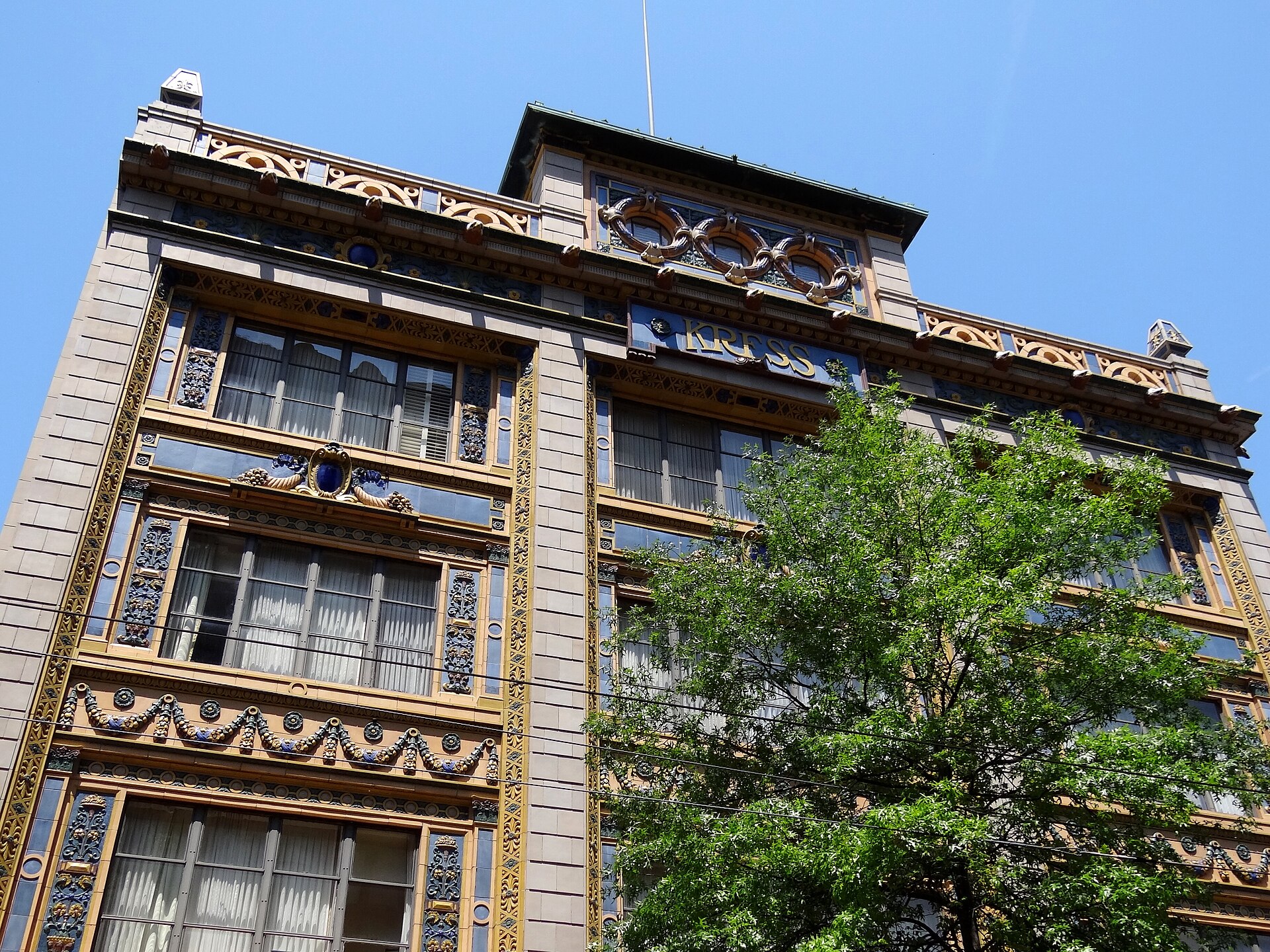
A third day in Memphis makes room for what the first two usually skip: a neighborhood taken on its own terms rather than as a stop between landmarks, a museum outside the Beale–Sun–Stax–Graceland core, and either a day trip across the river or unhurried time at a civil rights site that a tighter schedule reduces to a quick photograph.
What do the first two days typically cover?
Most two-day plans, including the one laid out at how to spend two days in Memphis, run a fixed circuit: Beale Street, Sun Studio, the Stax Museum of American Soul Music, Graceland, and the National Civil Rights Museum, usually with downtown as a base. These sites are spread across the city rather than clustered, a distance-and-drive-time relationship set out at how far apart Beale Street, Sun Studio, Stax and Graceland actually are. Fitting all five into two days leaves very little slack — no neighborhood walked for its own sake, no museum outside the main four, and civil rights sites moved through rather than sat with.
A third day is the point at which that constraint loosens. There is time to pick one thing and go deeper, rather than adding a sixth stop to an already tight loop.
Which neighborhoods become worth a dedicated day?
A third day is usually the first point at which a neighborhood gets treated as a destination rather than a route between two landmarks. Memphis’s neighborhoods are legally and historically distinct districts, not marketing labels, and several reward being walked rather than driven through.
- Soulsville, the neighborhood built around the original Stax studio, explained at what Soulsville is and why it matters.
- Orange Mound, documented at what Orange Mound is as one of the earliest neighborhoods in the United States built by and for African American residents.
- The Broad Avenue Arts District, a stretch of Binghampton’s Broad Avenue reworked around galleries and studios, covered at what the Broad Avenue Arts District is.
- Cooper-Young, a National Register historic district in Midtown, described at what Cooper-Young is.
None of these require abandoning the core sites — they simply need a slot the first two days rarely have.
What civil rights sites deserve unhurried time?
Beyond the National Civil Rights Museum itself, a third day allows time at two other standing buildings tied to the 1968 Memphis sanitation strike: Clayborn Temple, where strikers organized and marched from, and Mason Temple, headquarters of the Church of God in Christ, where Dr. King delivered his final speech on the night before his assassination. Both are documented buildings with a public record, not attractions, and the museum’s own site describes the room at the former Lorraine Motel around which its exhibits are built. Visiting these on a day with room to stand rather than move on is a different experience from folding them into a checklist, and it is the difference a third day makes possible.


Which museums get skipped on a tighter itinerary?
The Beale–Sun–Stax–Graceland circuit crowds out museums that have no direct connection to music history but are notable in their own right. The National Ornamental Metal Museum, on its own site described as the only museum in the United States devoted to fine metalwork, sits on a bluff overlooking the Mississippi and is rarely reached inside a two-day plan. The Dixon Gallery and Gardens combines a fine art collection with formal gardens open to the public. The Brooks Museum of Art, Tennessee’s oldest and largest art museum by its own account, and the Pink Palace Museum, covering natural history and the city’s own development, round out a list that a third day is often the first chance to draw from. A fuller sense of what is available sits at the Museums & Galleries archive.
Is a day trip worth it on day three?
Two options exist without leaving the metro area entirely. One is Shelby Farms Park, one of the largest urban parks in the United States by area, connected to Midtown by the Shelby Farms Greenline, a former rail corridor now used as a shared path — covered at what the Shelby Farms Greenline is. The other is a crossing into Arkansas, on foot, by bike, or by car, which changes the character of the day rather than the distance covered; the practicalities of that crossing are set out at crossing the Mississippi at Memphis, and what’s on the Arkansas side. Either fills a day without the logistics of a genuine out-of-town trip.
How does a third day change the transport
Access Memphis is an independent guide written from published, checkable sources. We have not visited the places described here and we do not publish personal recommendations or invented ‘local favourites’ — where something is singled out as notable, we say who says so. Opening times, fares, closures and prices change at short notice, so treat everything here as a starting point and confirm with the museum, operator or venue directly before building a day around it. We give no advice on visas, insurance, health or safety; use your own government’s official guidance for those.
Featured image: Photo by Adam Jones, Ph.D., source, CC BY-SA 3.0
