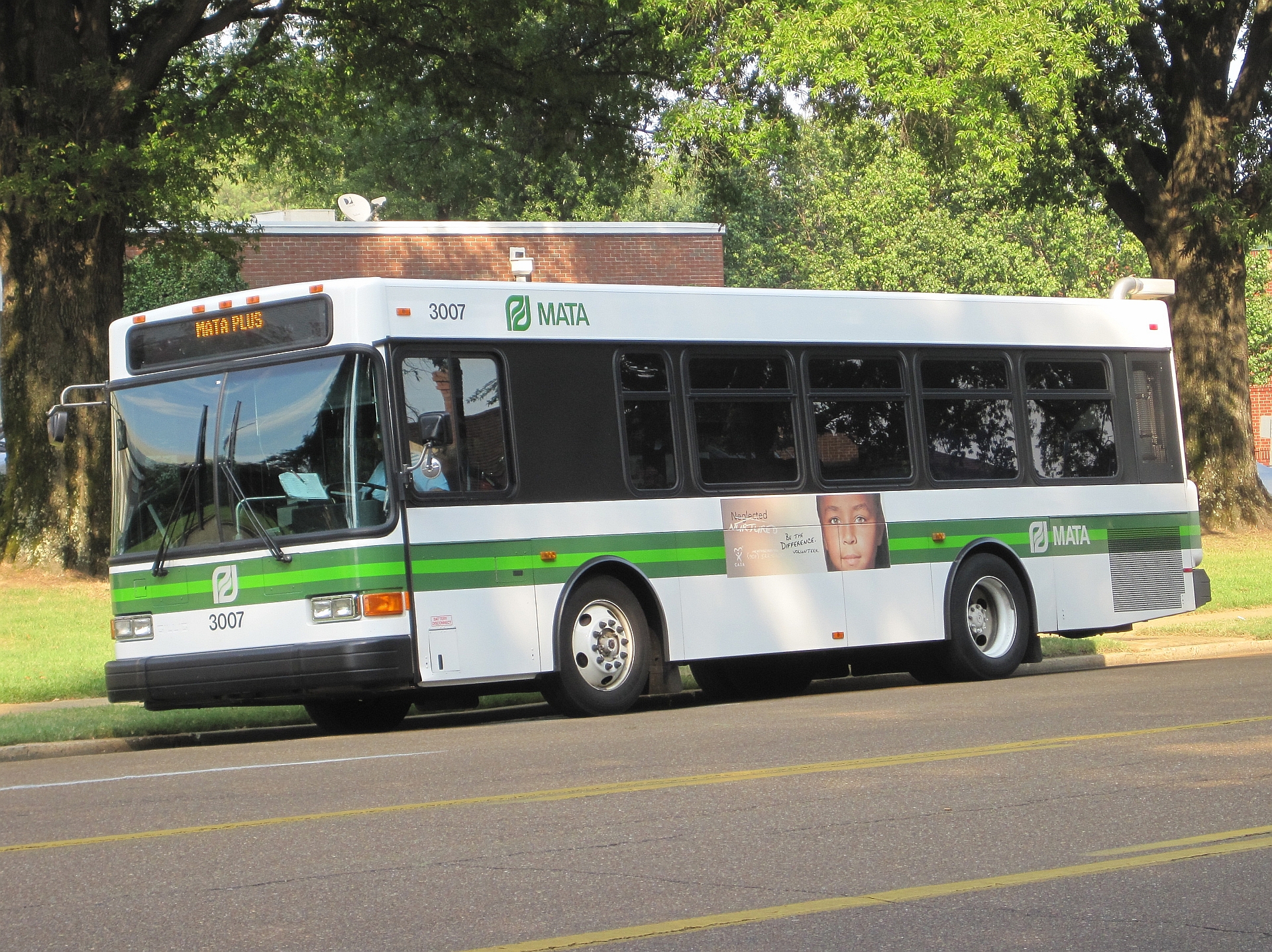
MATA — the Memphis Area Transit Authority — is the public agency that runs Memphis’s fixed-route buses, the Main Street Trolley, and a paratransit service called MATAplus. Its bus network covers most of the city on a map, but frequency on many routes is low, a gap tied to a funding shortfall that MATA’s own board and Memphis news coverage have discussed for years.
What Is MATA, Exactly?
MATA is a public transit authority, not a private company. It was created in the 1970s as the city’s publicly owned successor to a private bus operator that had previously run Memphis’s streetcars and buses. Today it is governed by a board and funded through a mix of city subsidy, fares, and federal transit grants — the same basic funding structure most mid-sized American transit agencies use.
It operates three distinct things under one roof: the citywide bus network, the heritage Main Street Trolley loop through Downtown, and MATAplus, its curb-to-curb paratransit service for riders with qualifying disabilities. They are run by the same agency but function very differently, and it’s worth not conflating them.
What Does the Bus Network Actually Cover?
MATA’s fixed-route buses radiate outward from Downtown along the city’s major arterial corridors — streets like Poplar Avenue, Lamar Avenue, Summer Avenue and Airways Boulevard — rather than running on a grid. That pattern follows Memphis’s own street layout, which grew along old turnpikes and rail lines rather than a planned grid system.
Downtown functions as the network’s hub, with connections near Central Station, the multimodal building that also handles Amtrak service. From there, routes fan out through Midtown, into East Memphis, and toward neighborhoods including Whitehaven, Frayser and Orange Mound. Coverage thins noticeably once routes cross into the suburban municipalities of Germantown and Collierville, which operate under their own local arrangements rather than as full partners in MATA’s network — a distinction covered in more detail in our explainer on what actually separates Memphis, Germantown and Collierville.
For the exact set of routes running today, MATA’s own site is the only reliable source, since routes and schedules are revised periodically as the agency adjusts service.
How Does the Fare System Work?
MATA fares are structured, not flat-rate chaos: a single-ride fare, day passes, and weekly or monthly passes, purchasable through a reloadable fare card or a mobile ticketing app, with reduced fares available for seniors, students and riders with disabilities. That basic shape — single ride, day pass, monthly pass, mobile option — is the durable part.
The actual dollar amounts change over time and are the kind of detail that goes stale fast on any third-party site. MATA’s own site, matatransit.com, publishes current fares, and it’s the source to check before a trip rather than relying on a number printed somewhere else.
How Good Is the Network, Actually?
This is the question locals actually care about, and the honest answer is mixed. Geographically, the network reaches a large share of the city. Operationally, frequency on most routes outside a handful of core corridors is low — waits of 30 minutes to an hour between buses are common on secondary routes, which makes MATA workable for a scheduled commute and difficult for spontaneous trips.
MATA’s own board materials, and reporting in Memphis’s daily papers over recent years, have described a persistent funding shortfall that led to service reductions and leadership turnover at the agency in the early 2020s. The city’s Memphis 3.0 comprehensive plan — the official planning document adopted by the city — separately identifies limited transit frequency and coverage gaps as a real barrier for residents who don’t drive. Read together, these are consistent: a network with real geographic reach, undermined by frequency that funding hasn’t kept pace with.
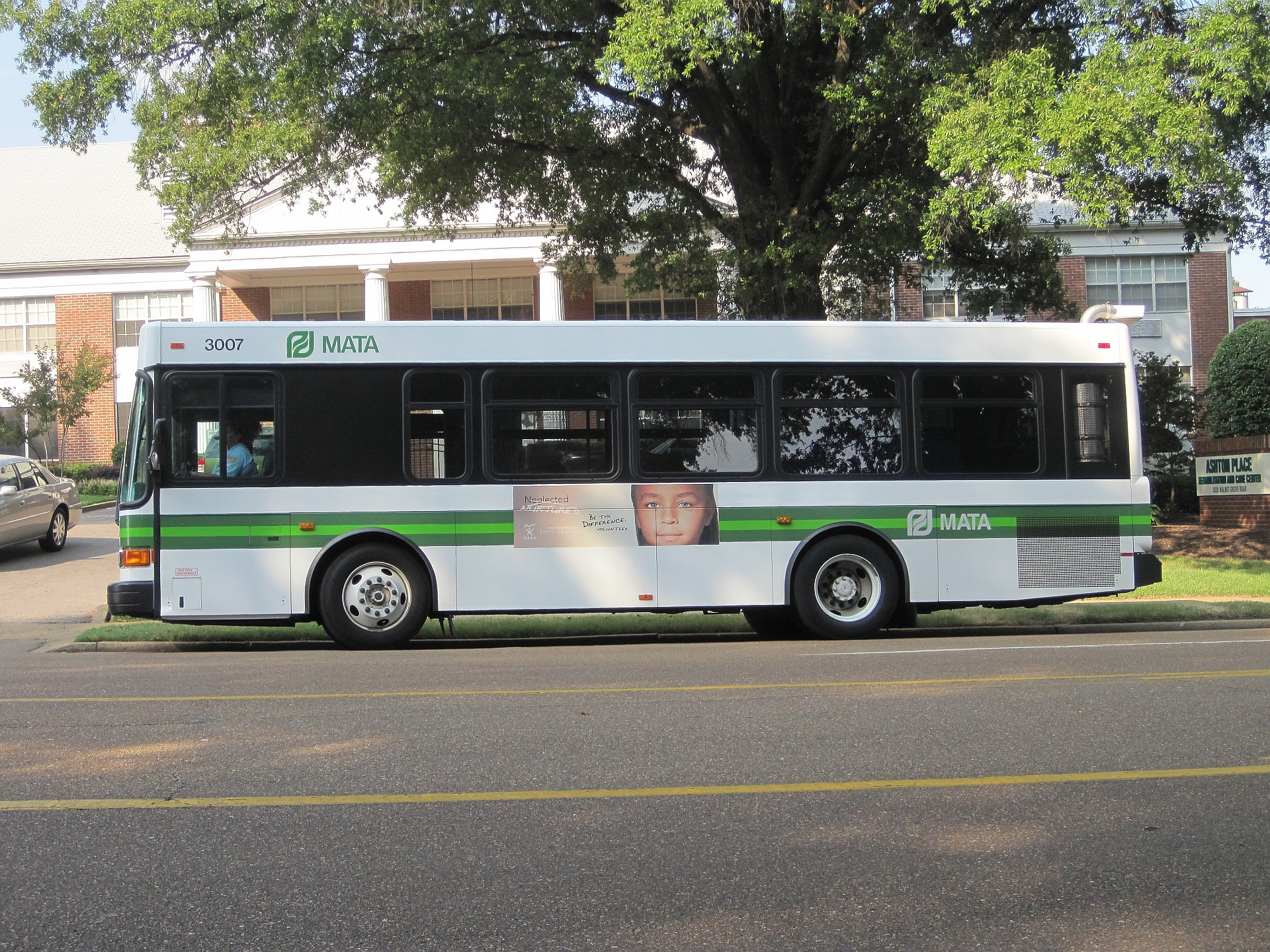

What’s the Difference Between MATA Buses and the Main Street Trolley?
The Main Street Trolley is a separate, much smaller thing: a heritage rail loop through Downtown, run by MATA but operating on fixed track rather than city streets, and aimed as much at short Downtown hops as at commuting. It is not a substitute for the bus network and doesn’t reach Midtown, East Memphis, or most residential neighborhoods. The full route, history and current service pattern are covered in our explainer on what the Main Street Trolley is and where it goes.
Do You Need a Car in Memphis Anyway?
For most visitors and a large share of residents, yes — and MATA’s coverage is a big part of why. Downtown, Midtown and the immediate riverfront are walkable and reasonably served by transit and the trolley. East Memphis, the suburbs, and many day-trip destinations are not, and low bus frequency makes car-free living harder the farther out you go. Our longer answer on whether you actually need a car in Memphis works through this in more detail, including which neighborhoods make a car-free stay realistic.
What About Accessibility and Paratransit?
MATAplus is MATA’s ADA paratransit service, offering curb-to-curb rides for riders who qualify under the Americans with Disabilities Act and can’t use the fixed-route bus system independently. It requires an application and eligibility determination through MATA directly rather than same-day booking, so anyone who needs it should apply well ahead of a planned trip rather than assuming it works like a taxi.
How Do Residents Actually Use MATA?
For a meaningful share of Memphis households, MATA isn’t a backup option — it’s the only way to get to work, school or a grocery store, particularly in neighborhoods with lower rates of car ownership. That reality shapes how the network is discussed locally: as an equity and access issue as much as a transportation one, which is why it comes up in city planning documents like Memphis 3.0 rather than just in tourism guides. Our broader look at what it’s actually like to live in Memphis covers how transit dependence, commute patterns and neighborhood choice connect for people who live here year-round, not just for a visit.
How Should Visitors Plan a Trip Using It?
If a visit is centered on Downtown, South Main, Midtown and a handful of major museums, MATA’s buses and the trolley can cover a reasonable amount of ground, especially combined with walking. Once an itinerary includes Graceland in Whitehaven, the Stax Museum in Soulsville, or destinations in East Memphis, checking route frequency in advance — through MATA’s own trip planner rather than assuming turn-up-and-go service — matters more than it would in a city with a denser network.
Evening and weekend service is generally reduced from weekday daytime frequency across most routes, which is a durable pattern worth
Access Memphis is an independent guide written from published, checkable sources. We have not visited the places described here and we do not publish personal recommendations or invented ‘local favourites’ — where something is singled out as notable, we say who says so. Opening times, fares, closures and prices change at short notice, so treat everything here as a starting point and confirm with the museum, operator or venue directly before building a day around it. We give no advice on visas, insurance, health or safety; use your own government’s official guidance for those.
Featured image: Photo by Thomas R Machnitzki, source, CC BY 3.0
