
Moving to Memphis from out of state generally means lower housing costs than most metro areas of comparable size, a car-dependent daily routine, a city split between Memphis proper and unincorporated Shelby County, and a utility and water system run by a single public provider. The adjustment is mostly logistical, not cultural — the harder questions are about geography and infrastructure.
Is Memphis actually cheaper to live in?
Housing is the biggest single difference most newcomers notice, and it is well documented rather than a matter of local pride. Memphis routinely shows up in national housing-cost comparisons as cheaper than the U.S. average, largely because of an older housing stock, a metro area that never had the land-supply constraints of coastal cities, and a population that has grown slowly. The reasons behind this are laid out in detail in why housing in Memphis runs cheaper than the national average, and a fuller breakdown of rent, utilities, groceries and transport costs — with sources rather than a single generic figure — is in the cost of living in Memphis, with sources. Renters specifically should look at what the Memphis rental market is actually like, since supply, pricing and lease norms vary a great deal by neighbourhood.
Where do people moving to Memphis actually settle?
There is no single “new arrival” neighbourhood, because Memphis is a large, low-density city built around distinct districts rather than one dense urban core. Midtown, Downtown, East Memphis and the suburbs each function differently — different housing stock, different commute patterns, different relationships to the rest of the city. A working overview of how these areas differ is at Memphis neighbourhoods: what they’re actually like to live in, and the broader neighbourhoods archive covers specific districts, including places like Frayser and Orange Mound that have their own distinct histories and reputations worth understanding rather than assuming.
One structural fact worth knowing early: Memphis is a city inside Shelby County, and city and county government are separate, overlapping entities with different tax rates, different services and, in the case of schools, a genuinely complicated recent history. How Memphis is governed and the city-county split explains why an address a few miles apart can mean a different school district, different trash collection, and different property tax bill.
Do you need a car to live here?
Yes, for almost everyone, almost all the time. Memphis’s public transit network exists and serves real routes, but the metro area’s low density and post-war road-building mean that daily life — work, groceries, school runs — is built around driving. What Memphis is like without a car, long term is a direct look at what that actually costs someone in time and money, and it is realistic rather than discouraging: it is possible in a handful of walkable pockets, difficult almost everywhere else. Anyone relocating without a vehicle already arranged should read that piece before signing a lease.
How do utilities and basic services work?
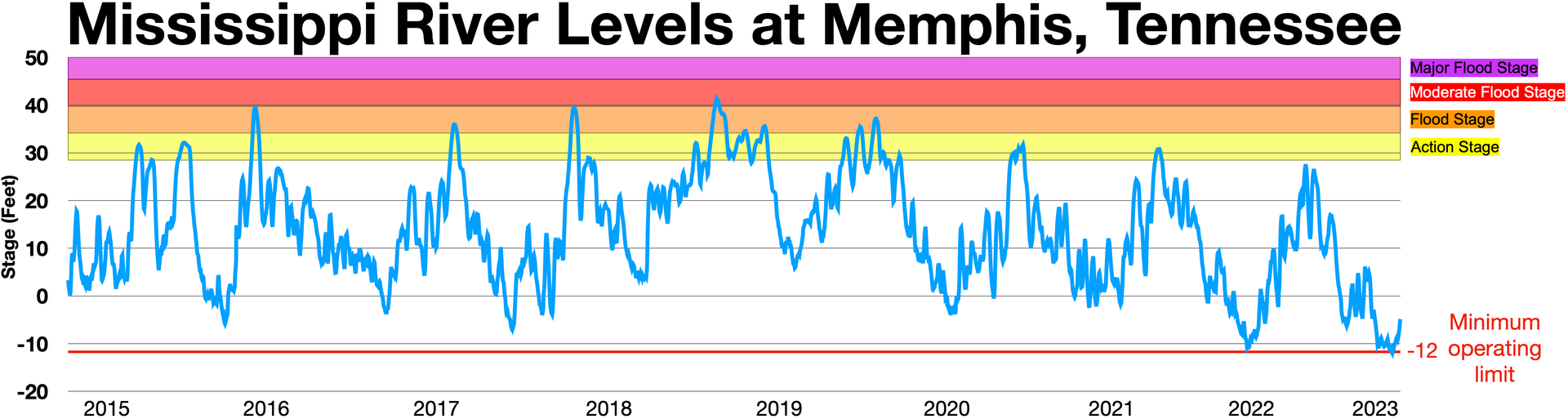
Memphis, Light, Gas and Water (MLGW) is the single public utility that handles electricity, natural gas and water for the city and much of Shelby County — there is no competing private provider to choose between, which is a genuine difference for anyone arriving from a deregulated-utility state. How utilities work in Memphis and what MLGW is covers how billing, service setup and outage reporting work in practice. The city’s drinking water is drawn from an underground aquifer rather than the Mississippi River, which is unusual for a river city and affects both taste and long-term water policy discussions — detailed in where Memphis’s water comes from and why it’s unusual. Trash and recycling collection is handled separately by the city (or by county contractors, depending on address), and how trash and recycling work in Memphis is worth reading before assuming a service schedule from a previous city carries over.
What is the job market like for someone relocating?
Memphis’s economy is built heavily around logistics and distribution — a legacy of its position on the Mississippi River and rail lines, reinforced by FedEx’s global hub at Memphis International Airport. FedEx’s place in the Memphis economy explains why the company’s footprint shapes hiring, real estate and even flight schedules in ways that go beyond a typical employer relationship. Healthcare, higher education (anchored by the University of Memphis and a cluster of medical institutions) and government are the other major employment sectors. How Memphis’s job market actually works lays out sector composition, wage patterns and how they compare to the cost-of-living picture above — the two are meant to be read together, since a lower cost of living only matters relative to local pay.
What should someone with school-age children know?
Memphis schools have a genuinely complicated recent history that affects how the system is organized today. In 2013, Memphis City Schools merged with Shelby County Schools, after which several suburban municipalities voted to form their own separate school districts — Germantown, Collierville and others among them. What happened when Memphis City Schools merged with the county covers that history directly, and how the school system works in Memphis and Shelby County today explains the resulting patchwork of districts, which is one of the more consequential facts for a family choosing where to buy or rent.
How does severe weather change day-to-day life?
Memphis sits in a region prone to summer thunderstorm systems, occasional tornado activity, and periodic winter ice events that a city without much snow-clearing equipment handles differently than a northern one. How Memphis handles severe weather covers the practical side — warning systems, what closes, what doesn’t — and the National Weather Service’s Memphis forecast office is the authoritative source for current watches and warnings rather than any secondhand summary. Newcomers from regions without tornado warnings in particular should read the emergency-alert basics before the first spring storm season rather than during one.
Is Memphis actually changing, or is that just talk?
Longtime residents and newcomers alike will hear some version of “Memphis is changing” within the first few weeks — usually about downtown redevelopment, riverfront investment, or shifting neighbourhood demographics. What people mean when they say Memphis is changing unpacks that claim rather than repeating it, looking at what has demonstrably shifted (riverfront development, some downtown residential growth) against what has stayed structurally the same (the city-county split, the car-dependent layout, the underlying economic base).
What does the broader picture look like?
None of the above is meant to be exhaustive on its own. The Living in Memphis hub is built specifically for residents and people relocating, covering everything from healthcare access to how the city is policed and how crime is reported — subjects best read directly rather than summarized secondhand, given how often outdated figures circulate about any large American city. The Living in Memphis archive holds the full set of these pieces, and it is the more useful starting point than any single article for someone actually planning a move rather than a visit.
Access Memphis is an independent guide written from published, checkable sources. We have not visited the places described here and we do not publish personal recommendations or invented ‘local favourites’ — where something is singled out as notable, we say who says so. Opening times, fares, closures and prices change at short notice, so treat everything here as a starting point and confirm with the museum, operator or venue directly before building a day around it. We give no advice on visas, insurance, health or safety; use your own government’s official guidance for those.
Featured image: Photo by Bjoertvedt, source, CC BY-SA 4.0
