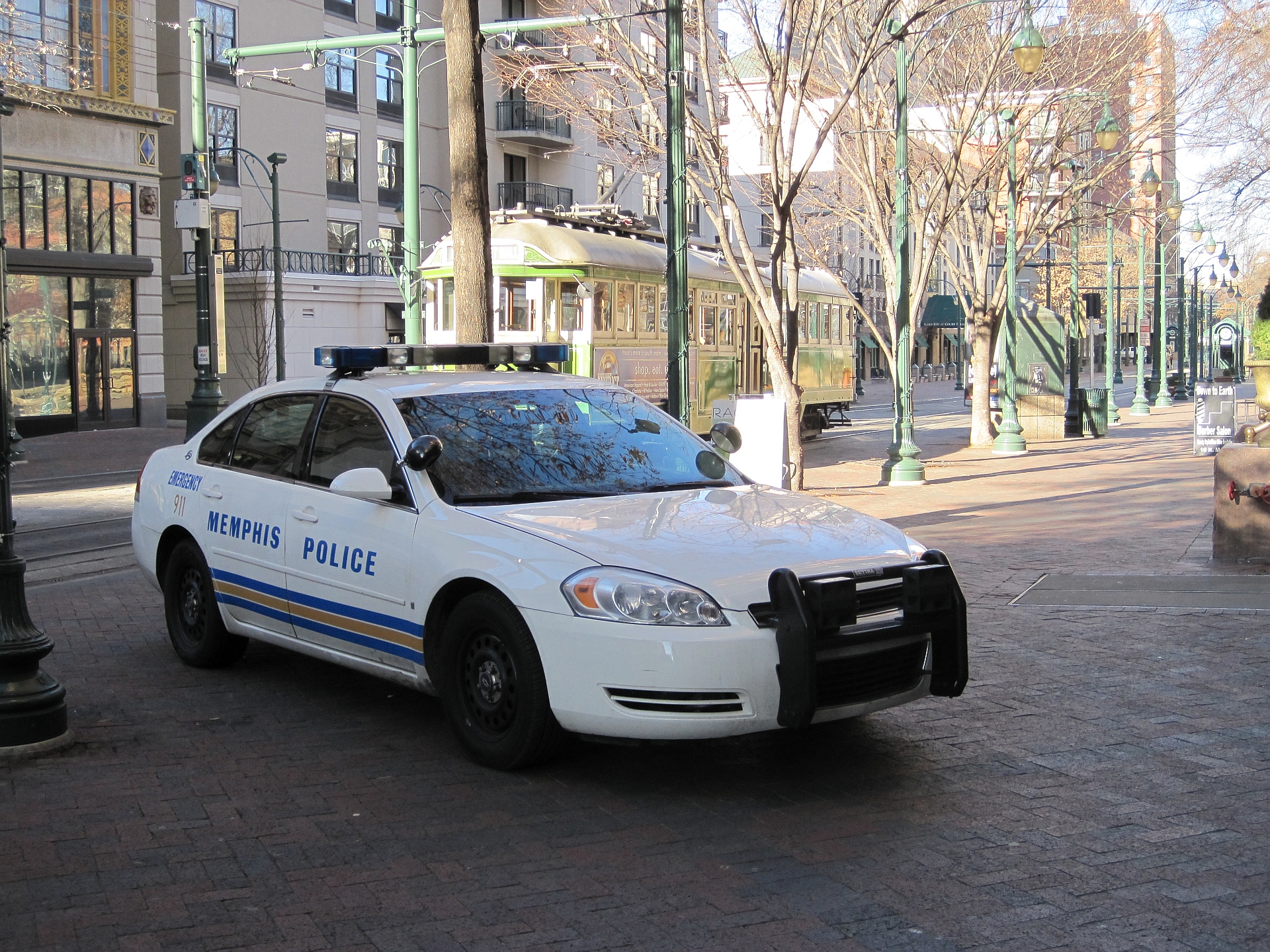
Parking downtown means a mix of metered on-street spaces, city- and privately-run garages, and surface lots, priced and enforced most heavily on weekdays and event nights. Rates and hours are set by the operator, not fixed citywide, so the practical answer is to check the specific garage or the city’s own parking services page before arriving.
What are the actual parking options downtown?
Downtown Memphis — the area covered in detail in what is downtown Memphis, and where are its boundaries — has three basic categories of parking: metered street spaces, multi-level garages, and surface lots. The garages are a mix of city-owned facilities operated through the City of Memphis’s parking services division and privately run structures attached to office towers, hotels, or arenas. Surface lots tend to be smaller, often tied to a single building or event venue, and are more likely to charge a flat event-day rate rather than an hourly one.
There is no single downtown parking authority setting one rate across the district. Each garage or lot posts its own pricing, and that pricing can change for a Grizzlies game at FedExForum, a Redbirds game at AutoZone Park, or a concert at the Orpheum, all of which sit inside or near the downtown core.
How do the parking meters work?
On-street meters downtown are managed by the City of Memphis and are generally enforced during business hours on weekdays, with reduced or no enforcement in the evenings and on Sundays — but the exact hours and current rates should be confirmed on the city’s own site rather than assumed. Many of the meters accept payment by app as well as coin or card, a shift most U.S. downtowns have made over the past decade.
Street parking is limited in volume relative to demand, particularly around the core office blocks on Main Street and Front Street on weekdays, and around Beale Street on weekend evenings. Reading a meter or posted sign carefully matters more downtown than in most Memphis neighborhoods, because restrictions vary block to block and can include loading zones, permit-only stretches, and time limits that are shorter than the meter itself might suggest.
Is there any free parking downtown?
Some surface lots and a portion of street parking are unmetered outside business hours or on Sundays, but this is not uniform, and a small number of blocks carry residential-permit or private-lot restrictions around the clock. The Downtown Memphis Commission, the organization responsible for downtown’s economic development, has published guidance in the past pointing visitors toward specific garages during off-peak hours — its own site is the more current source than any third-party listing.
Treat “free at night” as a pattern rather than a guarantee for any particular block. Signage on the meter or curb is the only reliable confirmation at the moment of parking.

What happens to parking on event nights?
Downtown Memphis absorbs a lot of concentrated demand on nights when FedExForum, AutoZone Park, the Orpheum Theatre, or Beale Street’s own club district are all drawing crowds at once. Garages near these venues frequently switch to a flat event rate rather than hourly billing, and street spaces within a few blocks fill early. This is a structural feature of downtown parking rather than an occasional inconvenience — the district’s geography is compact, and its major venues sit close enough together that a single evening can produce several simultaneous surges in demand.
For anyone weighing whether to drive downtown at all for an evening event, it is worth reading the site’s honest answer on whether you need a car in Memphis, which addresses exactly this kind of trade-off.
How does parking near Beale Street work?
Beale Street itself is largely pedestrian on weekend nights, and vehicle access is restricted along the entertainment blocks described in what is Beale Street, and what is actually on it. Parking for Beale Street visitors is handled through the surrounding garages and lots on Second, Third, and Fourth Streets rather than on Beale itself. Rates in this immediate area tend to rise on weekend nights, reflecting the concentration of restaurants, clubs, and the FedExForum arena within a few blocks.
Do downtown residents park differently than visitors?
Downtown’s residential population — concentrated in converted office buildings, South Main lofts, and newer apartment towers — generally relies on assigned garage parking tied to a lease rather than on-street meters, since long-term street parking downtown is limited by meter enforcement and turnover rules designed for commercial visitors. Some residential buildings sell or lease dedicated spaces in adjacent garages, a separate arrangement from the hourly public parking most visitors encounter.
For a longer view of what living in the central city actually involves, including how residents get around without leaning on a car for every trip, see the site’s Living in Memphis hub.
Is accessible parking available downtown?
Marked accessible spaces exist at city garages, metered curb locations, and most private lots downtown, following standard federal accessibility requirements for public and commercial parking facilities. As with all rules here, current placement and permit requirements are set by the city and by individual garage operators, and this article does not substitute for checking those requirements directly with the operator or the city’s own accessibility guidance.
Can parking downtown be avoided by using transit instead?
Downtown is the one part of Memphis where driving is genuinely optional for short trips, because it is the terminus for the city’s core transit options. The Main Street Trolley runs a fixed loop through downtown itself, connecting the riverfront, the Pinch District, and the South Main/Arts District without needing a car at all. MATA’s bus network, the city’s public transit operator, converges downtown and at Central Station, which also serves Amtrak’s Memphis stop.
For a visitor staying downtown, or a resident working there, the practical pattern many people follow is parking once — at a garage near a hotel, office, or apartment — and using the trolley or walking for movement within downtown itself, rather than moving a car between stops. This is discussed more broadly in the site’s Memphis Practical hub, which covers getting around the city as a whole.
Where can current parking rates and hours be confirmed?
Because rates, hours, and enforcement change, and because this site does not operate or manage any parking facility, the reliable path is always the operator’s own current listing: the City of Memphis’s parking services pages for city-owned garages and meters, and the Downtown Memphis Commission’s own site for district-wide guidance and any current programs affecting downtown parking. Individual venues — FedExForum, AutoZone Park, the Orpheum — also publish their own event-parking guidance ahead of ticketed events, which is generally more accurate on game or show nights than any general downtown overview.
Readers researching downtown more broadly, including its neighborhoods, landmarks, and museums, can start from the Memphis Guide hub or browse the Getting Around archive for related transit explainers.
Access Memphis is an independent guide written from published, checkable sources. We have not visited the places described here and we do not publish personal recommendations or invented ‘local favourites’ — where something is singled out as notable, we say who says so. Opening times, fares, closures and prices change at short notice, so treat everything here as a starting point and confirm with the museum, operator or venue directly before building a day around it. We give no advice on visas, insurance, health or safety; use your own government’s official guidance for those.
Featured image: Photo by Thomas R Machnitzki, source, CC BY 3.0
