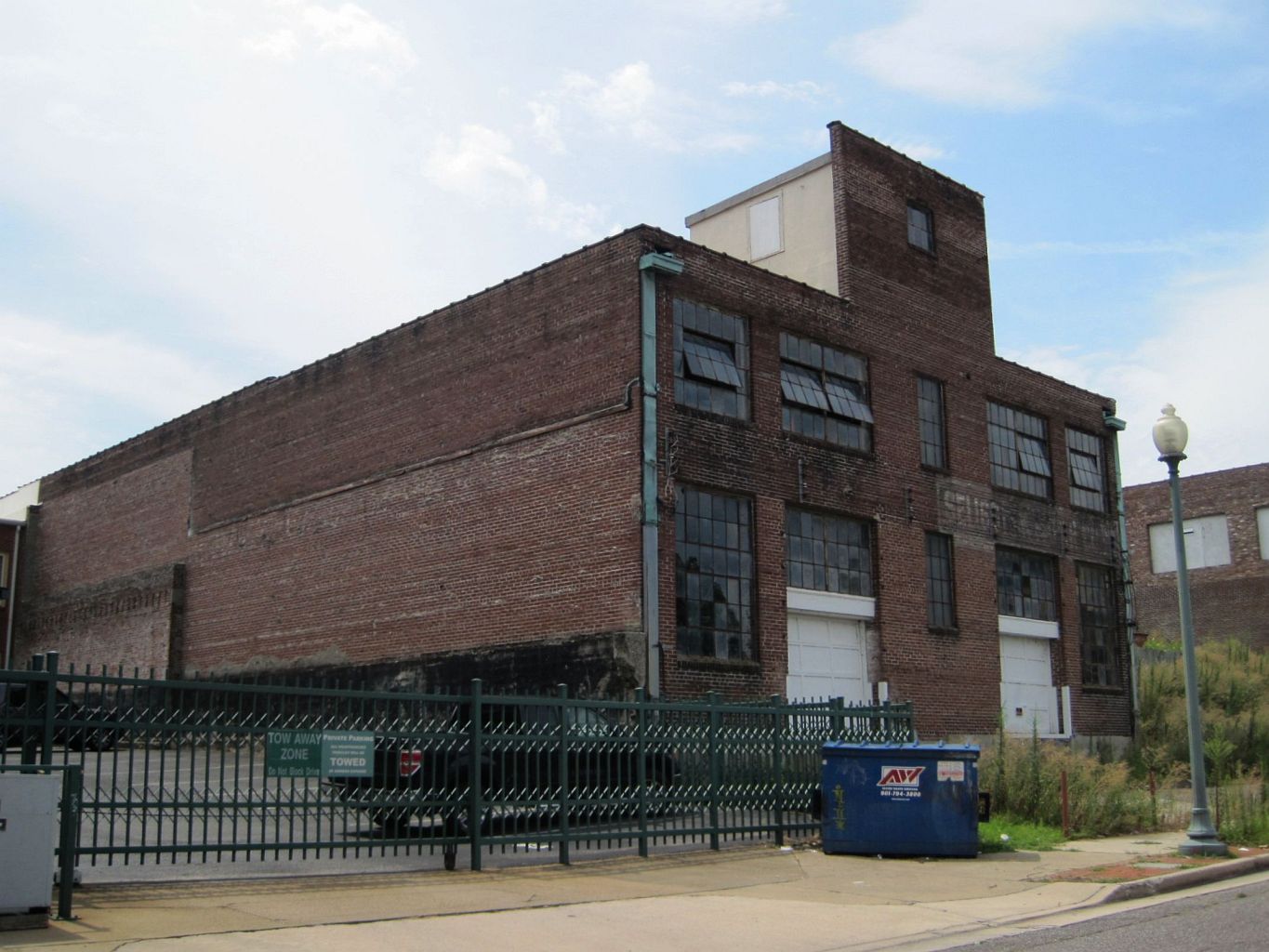
South Main is a several-block stretch of Downtown Memphis, running south from around the Peabody Place area toward the National Civil Rights Museum, built up around late-19th and early-20th-century warehouses that once served the city’s cotton and wholesale trade. The “Arts District” is not a separate place — it is the name commonly used for this same corridor, reflecting the galleries and studios that moved into those buildings from the 1990s onward.
What is South Main in Memphis?
South Main is the southern extension of Main Street in Downtown Memphis, distinct from the entertainment-focused Beale Street a few blocks north. Its brick commercial buildings, many originally built for storage and light manufacturing tied to the cotton and grocery trades, have been converted over the past three decades into lofts, studio space, small galleries, and ground-floor storefronts. The Memphis and Shelby County Room and the Downtown Memphis Commission, the public agency responsible for downtown planning and development, both describe South Main as one of downtown’s original residential and warehouse districts to be redeveloped for mixed use.
Where are the boundaries of South Main?
South Main runs along South Main Street south of the downtown core, roughly between the riverfront bluff and the rail corridor that historically served the district’s warehouses. It sits south of the block occupied by Central Station and continues toward the National Civil Rights Museum at the Lorraine Motel. For how this fits into downtown’s wider limits, the Downtown Memphis Commission and the city’s own planning documents define Downtown Memphis as a larger area with several named sub-districts, which is covered in detail on this site’s guide to Downtown Memphis’s boundaries.
Is “the Arts District” a different place from South Main?
No — when Memphis residents or city documents refer to the “South Main Arts District” or “South Main Historic Arts District,” they mean this same corridor of South Main Street. The name reflects a deliberate redevelopment push, led by property owners and a neighborhood association, to market the warehouse district around its galleries rather than solely its residential lofts.
It is worth noting Memphis has more than one district that uses “arts” in its name. The Broad Avenue Arts District, several miles east in the Binghampton neighborhood, is a separate corridor with its own history of mural and studio development. The two are not connected and should not be confused when reading about either one.
What buildings and landmarks anchor South Main?
Several fixed points define the district:
- Central Station, the restored early-20th-century train station at the district’s northern edge, still used by Amtrak and now also operating as a hotel and event venue.
- The National Civil Rights Museum at the former Lorraine Motel, at the district’s southern end — see this site’s own explainer on the National Civil Rights Museum and the Lorraine Motel for what the museum holds and the site’s history.
- Clayborn Temple, a standing church building tied to the 1968 Memphis sanitation strike, sits just off South Main; its history is covered separately in this site’s piece on Clayborn Temple and what happened there in 1968.
- The I Am A Man Plaza, a public memorial near Clayborn Temple referencing the strikers’ signs, is explained on its own page: What Is the I Am A Man Plaza?
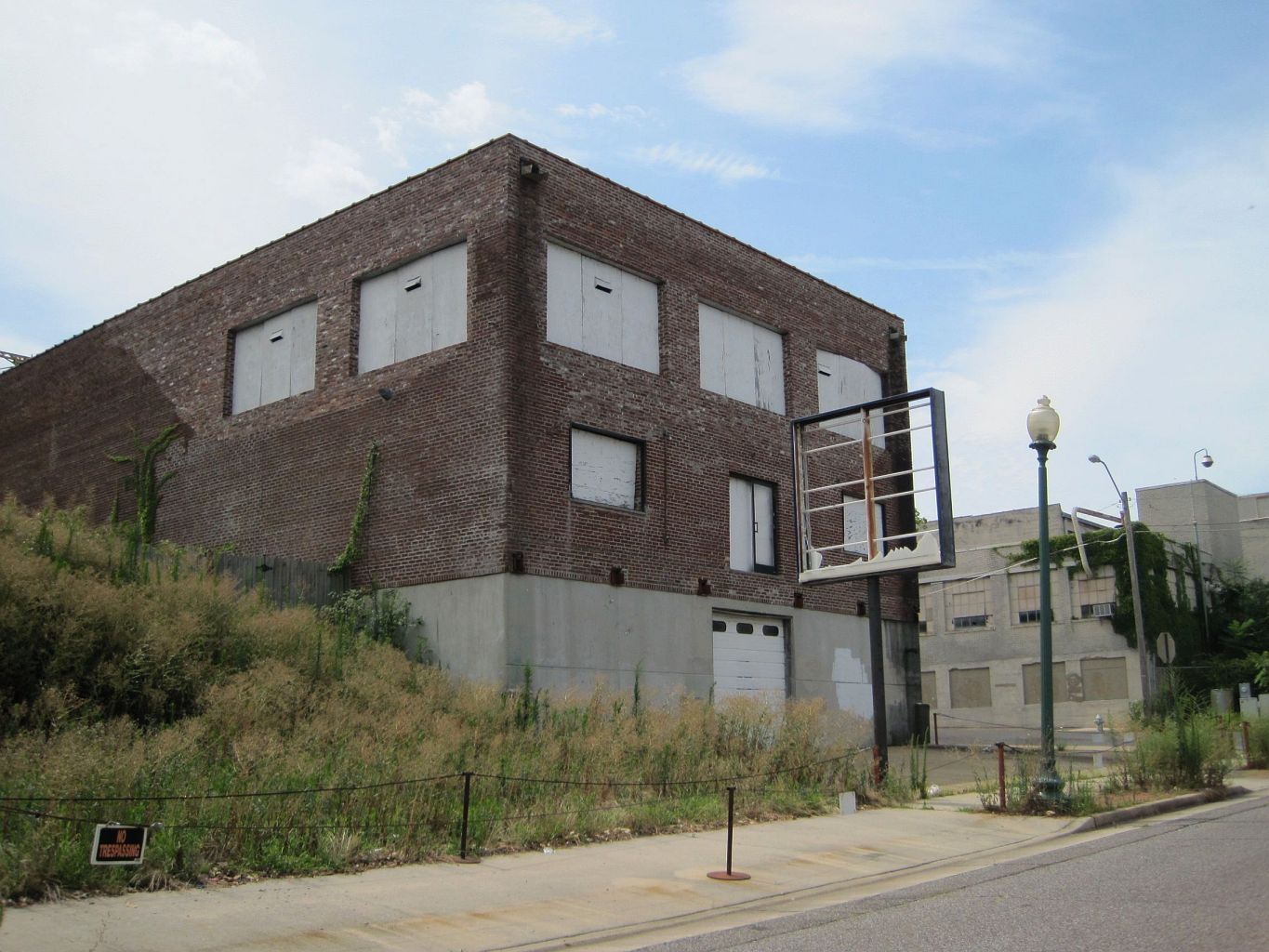
The blocks of South Main itself are lined with converted warehouse buildings, several of which are recorded under a South Main Street historic district listing maintained by the National Register of Historic Places, reflecting the area’s late-19th and early-20th-century commercial architecture.

What is the trolley on South Main, and does it still run?
MATA, the Memphis Area Transit Authority, operates a heritage trolley line along Main Street that historically ran through South Main, connecting it north to the Pinch District and the rest of downtown. Service on this line has been suspended and restored at different points over the past decade for mechanical and safety reasons. Readers relying on the trolley for a visit should confirm current operating status and hours directly with MATA before planning around it — this is exactly the kind of perishable detail that changes without much notice. Broader context on how downtown’s transit pieces fit together is covered in this site’s Getting Around archive.
What is the monthly art walk associated with South Main?
South Main is associated with a recurring evening art walk, historically organized around the last Friday of the month by the South Main Association, a local merchants’ and property owners’ group. On these evenings galleries and studios in the district have typically opened later than usual, and the trolley (when running) has extended hours to move visitors along the corridor. As with any recurring civic event, exact dates and current participants shift year to year, and readers should check current listings rather than rely on a fixed schedule here.
What is it like to live in South Main today?
For residents, South Main functions as one of downtown Memphis’s denser residential pockets — converted warehouse floors are now condominiums and rental lofts, and Central Station’s redevelopment added further housing and retail at the district’s edge. The Downtown Memphis Commission’s own reporting on downtown residential growth has tracked an increasing population in the census tracts that include South Main over the past two decades, alongside similar growth in the Pinch District and South Bluffs. Living downtown here means walking distance to the National Civil Rights Museum, Amtrak service from Central Station, and the riverfront, but also means adapting to a district built around commercial-scale buildings rather than a traditional residential street grid — parking, trash collection and grocery access work differently than in Midtown or East Memphis. General context on what living in the city day to day involves, across neighborhoods, is covered in this site’s Living in Memphis hub.
How does South Main compare to Beale Street and the rest of downtown?
Beale Street, a few blocks north, is built around live music venues and nightlife and is covered separately in this site’s explainer on what is actually on Beale Street. South Main is quieter and more residential, oriented around galleries, converted lofts, and its two historic anchors — Central Station and the Lorraine Motel — rather than a concentration of bars and clubs. The two districts sit close enough to walk between but function differently, and visitors expecting Beale Street’s density of activity on South Main will find something closer to a working residential and gallery street. For how South Main sits alongside downtown’s other named districts, this site’s broader guide to Memphis museums, landmarks and neighborhoods and the Neighbourhoods archive place it in context against Midtown, the Pinch District, and the rest of downtown.
Access Memphis is an independent guide written from published, checkable sources. We have not visited the places described here and we do not publish personal recommendations or invented ‘local favourites’ — where something is singled out as notable, we say who says so. Opening times, fares, closures and prices change at short notice, so treat everything here as a starting point and confirm with the museum, operator or venue directly before building a day around it. We give no advice on visas, insurance, health or safety; use your own government’s official guidance for those.
Featured image: Photo by Thomas R Machnitzki (thomasmachnitzki.com), source, CC BY 3.0
