The Cotton Museum at the Memphis Cotton Exchange is a small history museum built inside the actual second-floor trading room of the old Memphis Cotton Exchange building, at 65 Union Avenue downtown. It uses that room, and the exchange’s own records and equipment, to tell the story of how cotton built the city’s economy and shaped its labor history.
Where exactly is the museum, and what building is it in?
The museum occupies part of the historic Memphis Cotton Exchange Building at the corner of Union Avenue and Front Street, in the cluster of early twentieth-century commercial buildings just west of the Main Street corridor. According to the museum’s own site, the exhibits sit on the building’s second floor — the room that functioned as the exchange’s working trading floor for most of the twentieth century.
The address places the museum a short walk from the Mississippi riverfront and from the Beale Street entertainment district, within the section of downtown that Access Memphis’s guide to Memphis museums and landmarks covers as part of the city’s commercial core.
What did the Memphis Cotton Exchange actually do?
The Memphis Cotton Exchange was a members-only trading body where brokers and buyers met to set daily prices for raw cotton grown across the Mid-South and the Mississippi Delta. The museum’s own account traces the exchange’s founding to 1873, when Memphis was consolidating its position as a shipping and grading point for cotton moving off Delta farms and onto rail and river routes.
On the trading floor itself, price quotes were chalked onto large blackboards as they came in by telegraph and, later, ticker, letting brokers track New York and Liverpool cotton markets in something close to real time. The exchange’s own trading floor stopped functioning as an active market in the early 1970s, as futures trading consolidated and moved to electronic and centralized exchanges elsewhere, according to the museum.
What does the museum’s collection actually contain?
The museum’s own descriptions of its exhibits point to several distinct sections built around the surviving trading room and its equipment:
- The restored trading floor itself, including the chalkboards on which brokers’ quotes were recorded and period furnishings from the exchange’s working decades.
- Telegraph and market-ticker equipment used to receive price information from other exchanges.
- Displays on the cotton growing cycle — planting, cultivation, picking, and ginning — and on the shift from hand labor to mechanical harvesting across the twentieth century.
- Material on the labor systems tied to cotton in the Mid-South, including sharecropping arrangements that persisted long after the Civil War.
- A short film, according to the museum’s own site, that walks through the arc from cultivation to trading floor.
The museum presents this as one continuous story: cotton as an agricultural crop, cotton as a commodity priced on a trading floor, and cotton as the basis of a regional labor system that shaped who worked the land and under what terms.

Why does the building sit where it does — what was Cotton Row?
Front Street, running along the bluff above the river just west of the Cotton Exchange building, was historically known as Cotton Row — a corridor of brokers’ offices, warehouses, and exchange buildings built to serve the cotton trade moving through the port. According to National Register of Historic Places records, this stretch of downtown Memphis is recognized for its concentration of early twentieth-century commercial buildings tied specifically to the cotton business, rather than to general downtown commerce.
That geography is not incidental. Memphis’s position on the Mississippi, with rail lines converging downtown, made it the grading and shipping point for cotton grown across a wide stretch of Arkansas, Mississippi, and West Tennessee. The Cotton Exchange building and its neighbors on Front Street were built specifically to serve that function, and the museum sits inside the surviving evidence of it.
How does the museum handle the harder parts of cotton’s history?
Cotton cultivation in the Mid-South is inseparable from enslaved labor before 1865 and from sharecropping afterward, and the museum’s own exhibit descriptions address both directly as part of the crop’s history rather than as a side note. This is consistent with how the Tennessee Historical Commission and the National Park Service treat cotton agriculture elsewhere in the region — as an economic system with a documented labor history, not a backdrop.
Readers looking specifically at Memphis’s record on slavery and the Underground Railroad, rather than the cotton trade itself, will find a dedicated treatment at Access Memphis’s explainer on Slave Haven and the Burkle Estate, a separate historic house with its own documented record.
Is cotton still a working industry connected to this building?
The building itself no longer functions as a trading exchange — that activity moved on decades ago, and the room’s current purpose is exhibition, not commerce. Cotton remains a real commercial crop across the Mid-South and Delta today, traded through modern futures markets rather than a physical floor in downtown Memphis, and the museum’s own materials draw that line between the historic trading floor and the industry as it now operates.
For a resident or a researcher trying to understand modern cotton markets and production figures, the museum is a history exhibit rather than a live data source, and current agricultural statistics are better sourced from bodies such as the U.S. Department of Agriculture rather than from the museum’s exhibits.
What should a visitor confirm before going, and what changes seasonally?
Opening hours, ticket prices, and closure days are the kind of detail that changes without much notice, and this site does not attempt to publish a fixed figure that will go stale. The museum’s own site is the only reliable source for current hours, admission, and any seasonal closures, and readers should confirm details there before planning a visit.
Downtown museums in Memphis, including this one, tend to see the heaviest weekday crowds during school field-trip season in spring and lighter midweek traffic in the depths of summer heat, a pattern that shapes many downtown attractions rather than being specific to this building.
How does the Cotton Museum fit alongside Memphis’s other museums?
The Cotton Museum sits in a downtown museum landscape that otherwise leans heavily toward music history — the Memphis Rock ‘n’ Soul Museum and the Memphis Music Hall of Fame are both within walking distance, and both address a different strand of the city’s economic and cultural history. The Cotton Museum is unusual among them in being built inside the actual working room its subject describes, rather than in a purpose-built exhibition space.
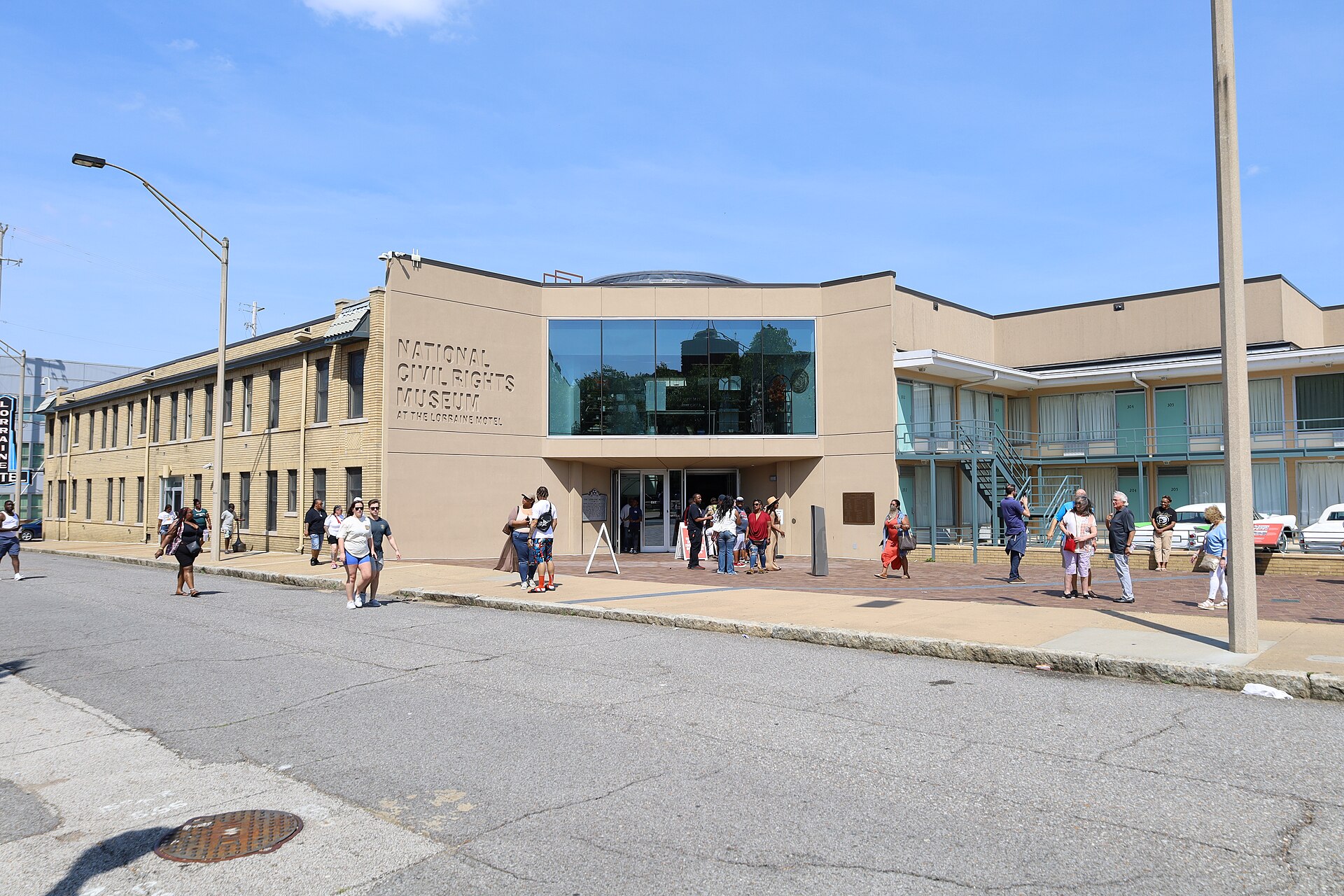
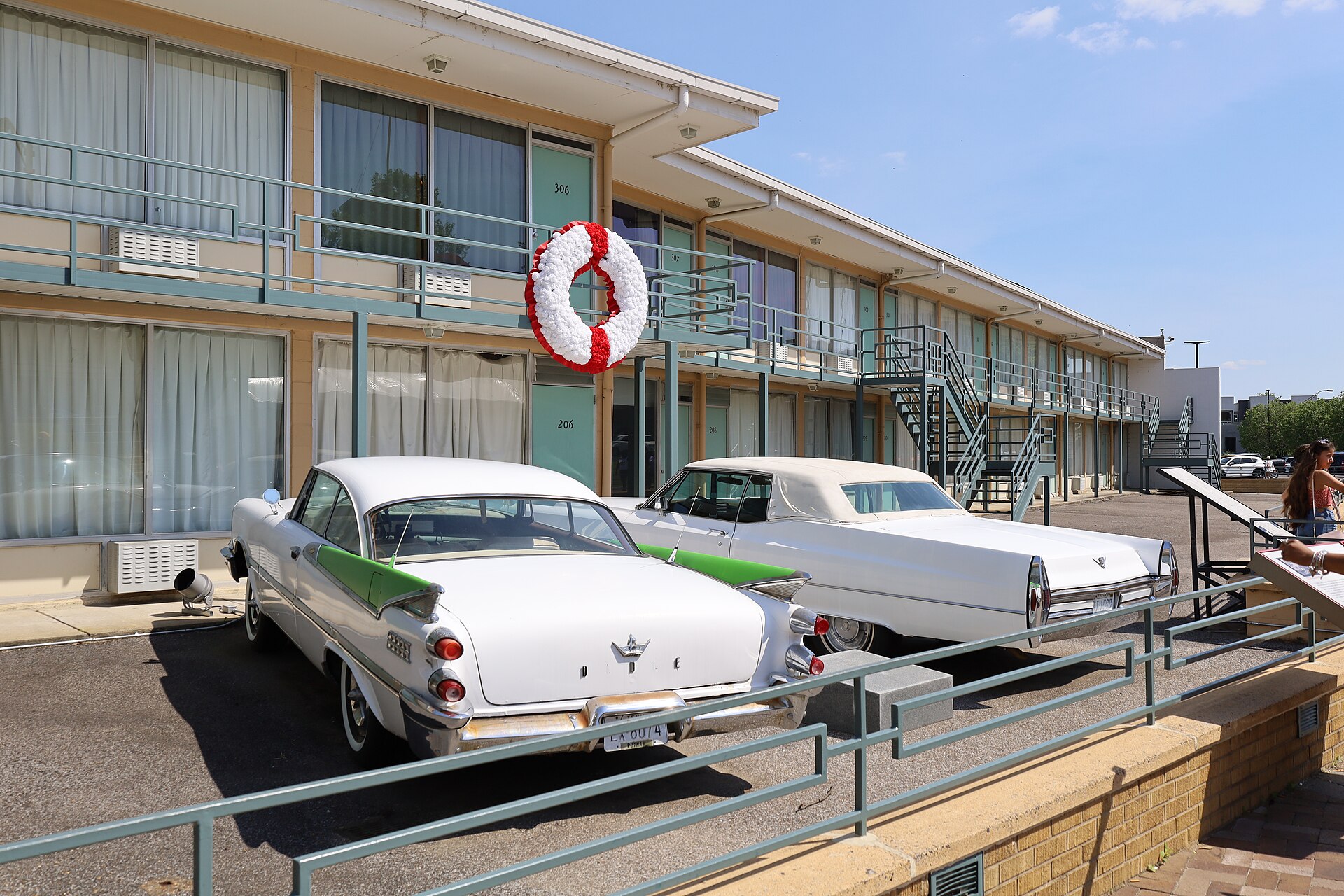
For civil rights history tied to a different, later chapter of Memphis’s labor history, the National Civil Rights Museum and Lorraine Motel covers the 1968 sanitation workers’ strike and the assassination of Dr. King, a separate and later chapter connected to Memphis’s economic and labor history rather than to cotton directly.
A fuller list of the city’s museums and galleries, including how they cluster geographically, sits in Access Memphis’s museums and galleries archive, and the wider set of downtown landmarks is covered in the landmarks and sights archive.
How does a visit here fit into a downtown Memphis day?
The Cotton Exchange building’s location near Front Street and the river means it fits naturally into a walking itinerary that also takes in the Mississippi riverfront and the edge of the Beale Street district. Practical logistics for getting around downtown — parking, walking distances, and the trolley — are covered generally in Access Memphis’s practical guide to getting around Memphis, which is a better source for transport specifics than any single museum’s own page.
Readers building a broader sense of downtown’s museums and neighborhoods before narrowing to specific stops should start with the Access Memphis guide to Memphis’s museums, landmarks and neighborhoods, which lays out how the different districts, including the old Cotton Row corridor, relate to one another.
Access Memphis is an independent guide written from published, checkable sources. We have not visited the places described here and we do not publish personal recommendations or invented ‘local favourites’ — where something is singled out as notable, we say who says so. Opening times, fares, closures and prices change at short notice, so treat everything here as a starting point and confirm with the museum, operator or venue directly before building a day around it. We give no advice on visas, insurance, health or safety; use your own government’s official guidance for those.
Featured image: Photo by Antony-22, source, CC BY-SA 4.0
