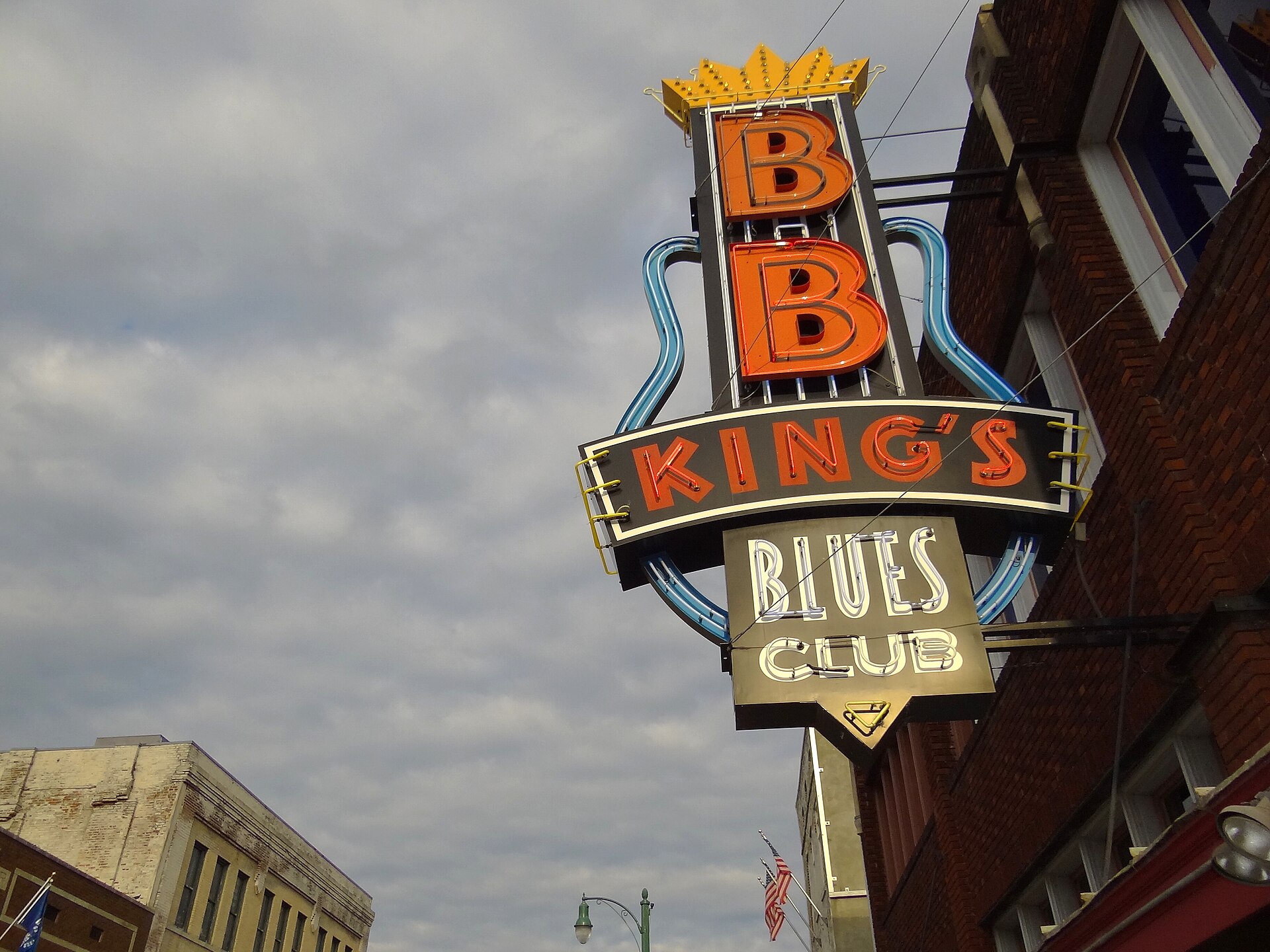
A rained-out day in Memphis works because the city’s core attractions are almost entirely indoors. Museums, the Lorraine Motel site, Sun Studio, Graceland’s exhibit buildings and Crosstown Concourse all operate under roof, and downtown’s grid is short enough to move between them by car, rideshare or the covered stretches of the trolley without much exposure to weather.
What actually changes in Memphis when it rains?
Mostly the outdoor half of the itinerary disappears — the riverfront walk, Tom Lee Park, the Shelby Farms Greenline — and the indoor half becomes the whole day. Downtown streets flood at low points near the river and under railway underpasses during heavy storms, which is a known pattern rather than a rare event; the National Weather Service’s Memphis forecast office at weather.gov/meg is the authoritative source for current watches, warnings and river-stage information, and it is worth checking that page directly rather than relying on an app’s summary before setting out.
Spring and early summer bring the heaviest single-day totals, often from thunderstorm cells rather than steady drizzle, which is a different kind of wet day than a grey November afternoon. The distinction matters for planning: a thunderstorm clears in an hour, a frontal system can sit over the Mid-South for most of a day. Memphis’s severe weather season, including tornado risk, is a separate and more serious matter covered at what you should know about Memphis tornado season, and any warning issued by the National Weather Service should be treated as the operative instruction, not this or any other guide.
Which museums make the most sense on a wet day?
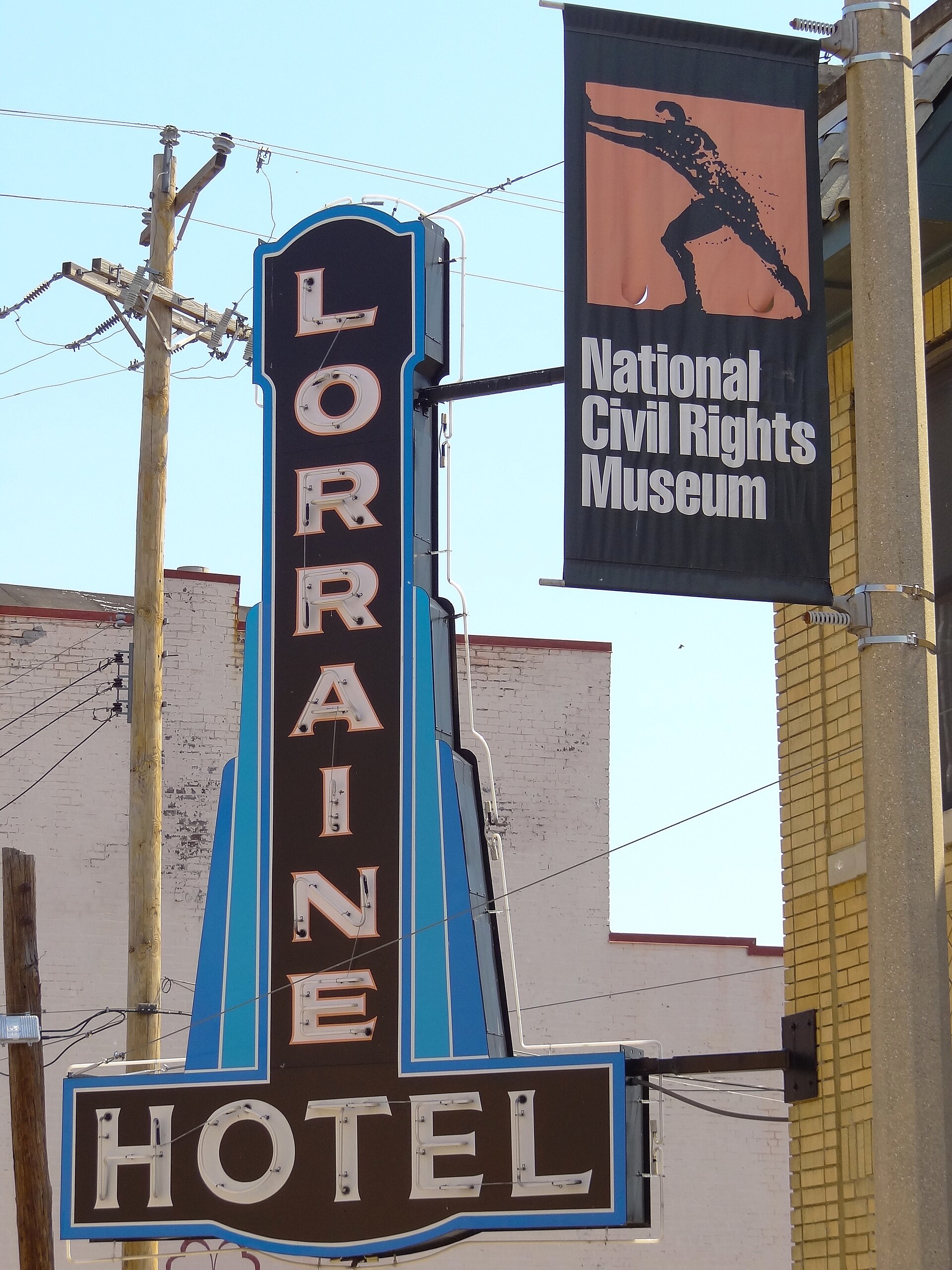
Memphis has enough museum density that a full day can be built without leaving a roof. The National Civil Rights Museum, built around the preserved room at the former Lorraine Motel where Dr. Martin Luther King Jr. was assassinated in 1968, is the anchor: the museum’s own site describes its exhibits as tracing the civil rights movement from the era of slavery through the present, and it is one of the few Memphis sites where the building itself is the primary document. A separate guide on this site covers a Memphis day built around civil-rights history in full, including nearby Clayborn Temple and Mason Temple, both tied to the 1968 sanitation workers’ strike.
Beyond that, the choices depend on interest rather than weather:
- The Metal Museum, Dixon Gallery and Gardens, and the Brooks Museum of Art all hold permanent collections indoors, though the Dixon’s gardens are obviously a fair-weather draw.
- The Pink Palace Museum covers natural history and Memphis history in a single Shelby County-run building.
- The Withers Collection Museum & Gallery holds the photographic archive of Ernest Withers, who documented the civil rights movement in Memphis.
- The C.H. Nash Museum at Chucalissa preserves a Mississippian-period archaeological site with an indoor exhibit hall, run by the University of Memphis.
A number of Memphis museums also run free-admission windows on specific days or evenings, which is worth checking before a wet-day museum crawl since it can change which order makes sense; the pattern is covered at which Memphis museums are free. The Museums & Galleries archive lists the individual venues in more detail.
Do the music sites still work in the rain?
Yes, because they are built around recording studios, exhibit buildings and archives rather than outdoor space. Sun Studio operates as a working studio and museum on Union Avenue where Elvis Presley, Johnny Cash, Howlin’ Wolf and others recorded; the Stax Museum of American Soul Music stands on the site of the original Stax Records studio in Soulsville and holds instruments, costumes and recording equipment tied to the label’s history; Graceland’s exhibit complex across from the mansion houses Elvis Presley’s cars, aircraft and stage costumes under roof, though the mansion tour itself involves a short outdoor walk between buildings. The Memphis Rock ‘n’ Soul Museum, a Smithsonian affiliate near Beale Street, covers the city’s musical development from the cotton economy through the Memphis sound.
These four sites sit some distance apart — Graceland is in Whitehaven, Stax in Soulsville, Sun Studio closer to downtown — and the driving distances between them are laid out at how far apart Beale Street, Sun Studio, Stax and Graceland actually are. On a wet day, that distance argues for a car or rideshare over walking between them.

Is downtown walkable in the rain, or is that the day to drive?
Downtown Memphis is compact and largely walkable, but it was not designed with continuous covered walkways, so a heavy rain day tends to push visitors toward the trolley or a car for anything beyond a few blocks. The Main Street Trolley runs a fixed route through the downtown core and is a reasonable way to cover ground without an umbrella doing much work; how the line runs and what it connects is explained at what the Main Street Trolley is and where it goes.
Parking downtown is metered and garage-based rather than scarce, and the practical details — rates, garages, enforcement hours — are covered at how parking works in downtown Memphis. For a broader look at whether a car is worth having at all for a Memphis visit, see do you need a car in Memphis, an honest answer. On foot, the question of which neighbourhoods actually hold up for walking — downtown, South Main, Midtown — is addressed directly at is Memphis walkable, and which neighborhoods actually work.
What about Crosstown Concourse and other indoor destinations away from downtown?
Crosstown Concourse, a converted 1927 Sears distribution building in Midtown, now holds a mix of galleries, a cinema, food vendors and offices under one roof, and functions as a self-contained wet-day destination outside the downtown core; its history and current use are explained at what Crosstown Concourse is and what it used to be. Midtown more broadly has a denser concentration of indoor shops, galleries and restaurants than most Memphis neighbourhoods, a pattern covered at Midtown Memphis, the real city explained.
How does a rainy day differ for a resident versus a visitor?
A visitor loses a day of outdoor sightseeing and substitutes museum time; a resident deals with something more durable — standing water at known low points, slower commutes, and the seasonal reality that Memphis’s wettest months are also its stormiest. Anyone driving regularly through downtown underpasses or along the riverfront during heavy rain should treat closures as routine rather than exceptional; what Riverside Drive is and why it keeps closing covers one recurring example. Winter rain occasionally turns to ice rather than snow, which behaves differently on Memphis’s roads than either does; that pattern is covered at what a Memphis winter is actually like, and does it snow.
For visitors weighing a rainy day against the rest of a trip, the broader planning questions — how much a Memphis visit costs, how the seasons compare, what a first visit should prioritize — sit in the Getting Around and Planning hub and the Memphis Guide hub, both of which link out to the season-specific and neighbourhood-specific pages referenced above.
What’s the honest bottom line on a wet Memphis day?
Rain removes the riverfront and greenline from the day but leaves nearly everything else standing, because Memphis’s defining sites — the Lorraine Motel, the recording studios, the museum collections — were built as rooms, not views. The day changes shape rather than shrinking.
Access Memphis is an independent guide written from published, checkable sources. We have not visited the places described here and we do not publish personal recommendations or invented ‘local favourites’ — where something is singled out as notable, we say who says so. Opening times, fares, closures and prices change at short notice, so treat everything here as a starting point and confirm with the museum, operator or venue directly before building a day around it. We give no advice on visas, insurance, health or safety; use your own government’s official guidance for those.
Featured image: Photo by Adam Jones, Ph.D., source, CC BY-SA 3.0
