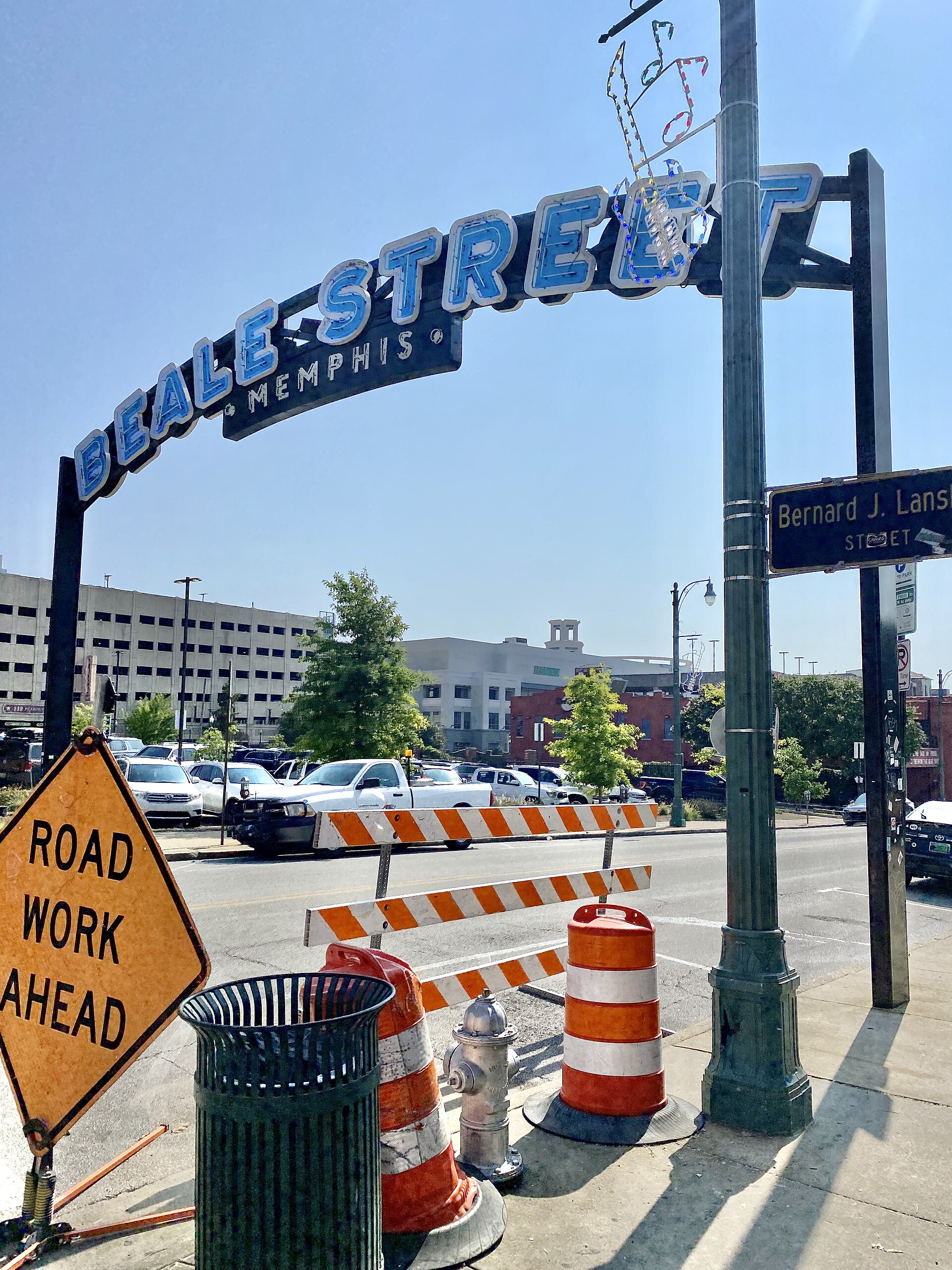
The Beale Street Music Festival is a multi-day, multi-stage music festival held each spring as the opening weekend of Memphis in May, the city’s month-long international festival. Despite the name, it does not take place on Beale Street. It is staged on the Mississippi River bluff downtown, historically at Tom Lee Park, and draws touring acts across rock, blues, soul, hip-hop and country onto several stages running at once.
Why is it called the Beale Street Music Festival if it isn’t on Beale Street?
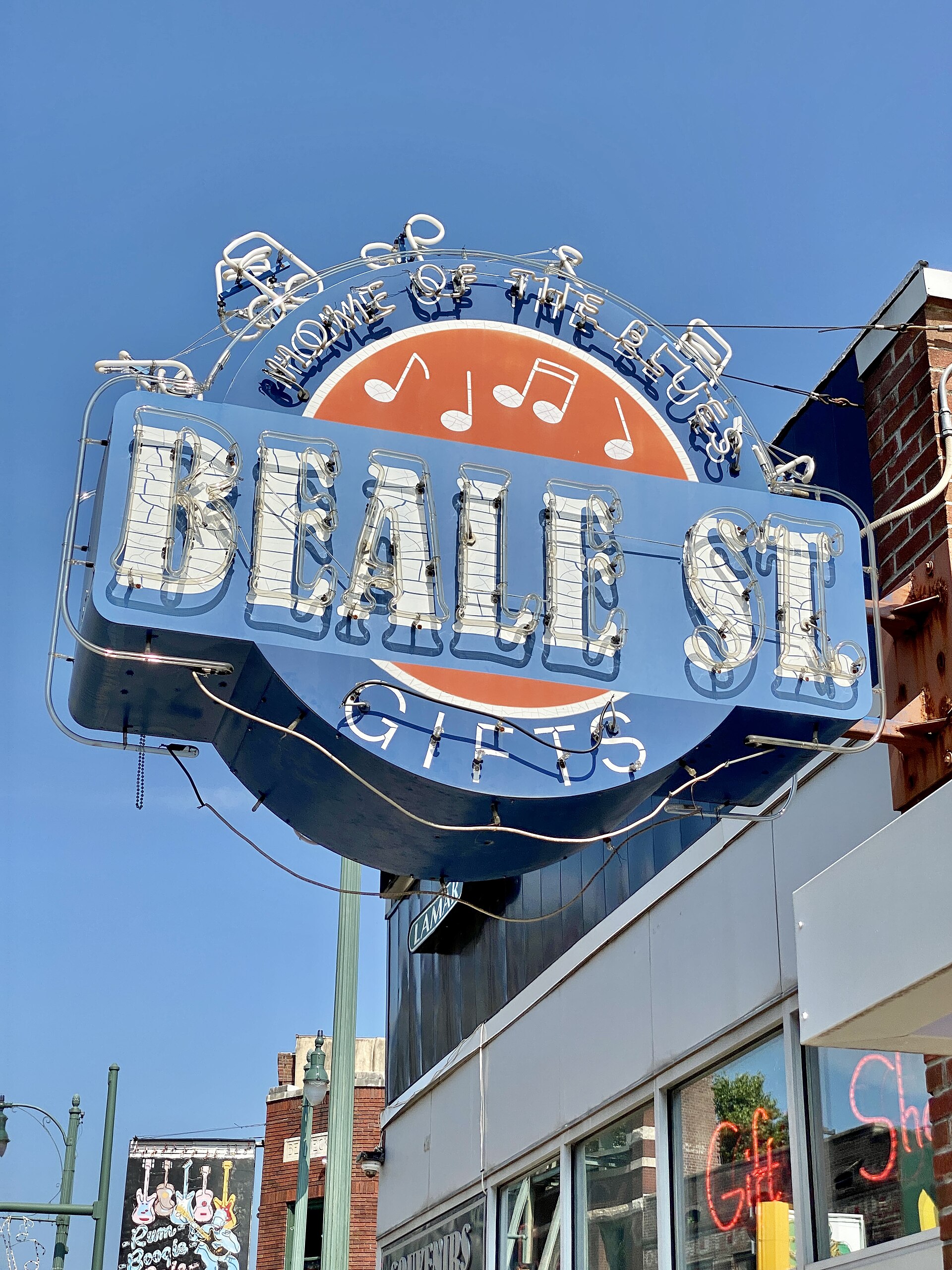
The name refers to Beale Street’s standing in American music history rather than to the festival’s physical location. The National Park Service and the Tennessee Historical Commission both recognize the Beale Street Historic District for its role in the development of the blues and, later, the Memphis sound. The festival borrows that identity as its name while the event itself is held on open riverfront land better suited to large stages and crowds than a narrow historic street. For the street itself — what it holds today, and how it functions day to day — see our separate explainer on what Beale Street actually is.
Where does the festival actually happen?
For most of its history, the festival has been held at Tom Lee Park, the riverfront green space on the bluff below Downtown Memphis, named for a local man who rescued dozens of people from a capsized steamboat in 1925. The park underwent a major redesign led by the Memphis River Parks Partnership, and during that construction period Memphis in May relocated some of its events to other city venues. Because the exact site can shift year to year around construction and park scheduling, readers should confirm the current location on Memphis in May’s own site before planning around it. Background on the park itself, including who Tom Lee was, is covered in our piece on Tom Lee Park.
How does the festival relate to Memphis in May?
Memphis in May International Festival, Inc. is the nonprofit organization behind the citywide event, and the music festival is one of its signature components alongside the barbecue contest and other programming spread across the month. The two events used to sit close together on the calendar and at the same riverfront site; the barbecue contest has since operated as a more distinct event with its own dates and structure. Our explainer on the World Championship Barbecue Cooking Contest covers that event separately, and the broader picture of what Memphis in May involves as a whole is in our guide to Memphis in May.
When is it held, and why does the date matter?
The festival falls in early May most years, opening the month’s programming before the city moves into other Memphis in May events. Early May sits at the edge of the region’s mild-weather window — warm days are typical, but the Mid-South’s spring storm season means rain and heat can both be factors on any given festival weekend. Memphis in May publishes exact dates on its own site each year, and those should be checked directly rather than assumed from a prior year’s pattern. For a sense of how this time of year compares to the rest of the calendar, see when the best time to visit Memphis actually is.
.jpg)
What kind of music does it feature?
The festival’s lineups, as announced by Memphis in May, typically span multiple genres across several stages running concurrently — rock, blues, soul, hip-hop, country and other touring acts, alongside regional and local performers. This range reflects Memphis’s own musical layering rather than a single genre focus, and it is worth reading alongside the city’s dedicated music sites. The city’s recorded-music history — what was tracked at Sun Studio and at Stax, and what the Memphis Music Hall of Fame holds — is a separate, year-round story from the festival itself, but the festival draws directly on that reputation in how it markets itself.
How is the festival organized — stages, tickets, structure?
The festival runs across several days, typically a Thursday through Sunday window, with multiple stages operating on-site so that different acts play simultaneously rather than in a single sequence. Entry has historically required a multi-day or single-day ticket sold directly through Memphis in May, with pricing, gate times and any age or bag policies set and changed by the organizer from year to year. None of those figures are durable enough to repeat here reliably; Memphis in May’s own site is the correct source for current ticket types, prices and gate rules, and this is one of the cases where checking the operator directly matters more than relying on a summary.
What should visitors and residents know about attending?
For visitors, the practical questions are less about the festival itself and more about getting downtown and moving around it. Downtown parking is limited and managed through a mix of garages and metered street parking, covered in our guide to how parking works in Downtown Memphis. The Main Street Trolley and MATA’s bus network both serve the downtown core and are worth understanding before a festival weekend, detailed in our explainer on the Main Street Trolley and our guide to MATA. For residents, the festival weekend is one of the more disruptive stretches for downtown traffic and parking, with street closures around the riverfront that extend beyond the park boundary itself; the broader pattern of what closes and reopens along the river corridor is described in our piece on Riverside Drive and why it keeps closing.
How does the festival fit into the rest of downtown?
Tom Lee Park sits within the boundaries of Downtown Memphis, along the same riverfront corridor that includes Beale Street, the cobblestones, and the Memphis Riverfront Loop. Understanding how those pieces connect — what counts as Downtown, where the bluff sits relative to the historic core — is covered in our explainer on Downtown Memphis’s boundaries and in our guide to the Memphis Riverfront Loop. Neither piece is festival-specific, but both help explain why a music festival named for Beale Street ends up staged several blocks away, on riverfront land built for exactly this scale of event.
Does the festival change anything for people who live in Memphis?
For residents, the practical effects are seasonal rather than constant: a few days of downtown congestion, temporary street and parking changes, and a spike in short-term visitor traffic through the riverfront and Beale Street corridor. It is not a year-round presence in how the city functions, unlike the transit and neighborhood patterns covered in our Living in Memphis hub. Readers planning around it — whether attending, working downtown that week, or simply routing around the closures — are better served checking Memphis in May’s published schedule directly than relying on assumptions carried over from a previous year.
Access Memphis is an independent guide written from published, checkable sources. We have not visited the places described here and we do not publish personal recommendations or invented ‘local favourites’ — where something is singled out as notable, we say who says so. Opening times, fares, closures and prices change at short notice, so treat everything here as a starting point and confirm with the museum, operator or venue directly before building a day around it. We give no advice on visas, insurance, health or safety; use your own government’s official guidance for those.
Featured image: Photo by Warren LeMay from Chicago, IL, United States, source, CC BY-SA 2.0
.jpg)