
One day in Memphis is enough to see downtown properly — the National Civil Rights Museum, Beale Street, the Mississippi riverfront — plus one music landmark further out, usually Sun Studio, Stax or Graceland. It is not enough to do all three of those and downtown in the same day without cutting each one short.
What can you actually cover in a single day?
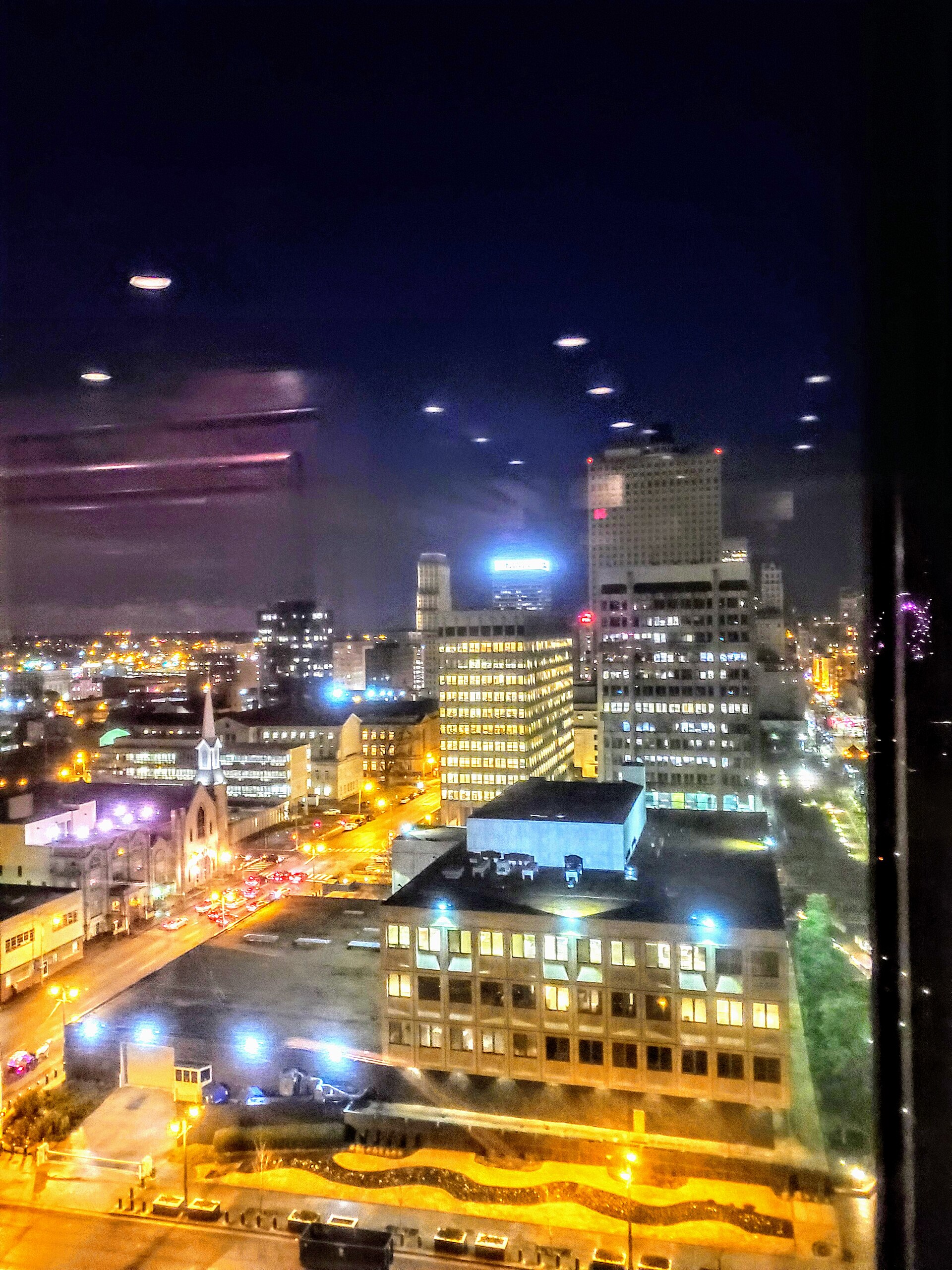
Downtown Memphis is compact enough to walk, and its major sites sit within a few blocks of each other. The stretch that includes the National Civil Rights Museum, Beale Street, the Orpheum Theatre and the riverfront can reasonably fill a morning and early afternoon on foot. A trip beyond downtown — to Sun Studio, Stax Museum of American Soul Music, or Graceland — adds travel time that a single day has to absorb somewhere. Most one-day visits pick downtown plus one of those three, not all of them.
The exact distances between these sites are laid out on how far apart Beale Street, Sun Studio, Stax and Graceland actually are, which is worth reading before building a schedule, since the spacing is easy to misjudge from a map alone.
Where should a one-day visit start?
Downtown is the practical starting point, because it holds the highest concentration of sites within walking distance and connects to everything else by road. The National Register of Historic Places lists several downtown structures individually, and the area’s boundaries and character are described in detail at what downtown Memphis is and where its boundaries sit.
The National Civil Rights Museum occupies the former Lorraine Motel, where Dr. Martin Luther King Jr. was assassinated on April 4, 1968. The museum’s own site describes its collection as tracing the history of the American civil rights movement from the 17th century through the present, built around the preserved motel structure and room 306. It is not a quick stop; the museum itself advises allowing several hours to move through the exhibits in order.
From there, Beale Street is a short walk. The National Park Service lists the Beale Street Historic District for its role as an early center of Black commercial and musical life in Memphis, associated with W.C. Handy and the development of blues as a recorded genre. What the street IS today is a concentrated entertainment district of clubs, restaurants and music venues, most active from afternoon onward; a fuller account of what it holds and how it functions is at what Beale Street in Memphis actually is.
Is downtown walkable enough to do this without a car?
Yes — downtown is the one part of Memphis where a car is not necessary for a day of sightseeing. The Main Street Trolley, run by MATA, the city’s transit authority, links the riverfront, the Beale Street corridor and the South Main Arts District along a fixed line, described fully at what the Main Street Trolley is and where it runs. Beyond downtown’s edges, though, Memphis spreads out considerably, and getting to Graceland, Stax or Sun Studio in the same day generally means a car, a rideshare, or a MATA bus route — a broader question addressed at whether you need a car in Memphis at all.

What about Graceland and Stax — can they fit in the same day?
Both are reachable from downtown within roughly 15 to 20 minutes by car, but they sit in different neighborhoods, several miles apart from each other, and each is designed as a self-contained visit rather than a quick stop. Graceland, Elvis Presley’s home, is described on its own operator site as requiring a half-day for the mansion tour and its surrounding exhibit complex; details on what the site actually contains are at what Graceland is and what the visit involves. It sits in Whitehaven, the neighborhood covered at what Whitehaven is and how it relates to Graceland.
Stax Museum of American Soul Music sits in Soulsville, on the site of the original Stax Records studio, and its own materials describe a collection built around the label’s recording history and the musicians who worked there — background at what Soulsville is and why Stax sits there. Sun Studio, the smaller and more central of the three, is where Sun Records recorded Elvis Presley, Johnny Cash, Jerry Lee Lewis and others in the 1950s, and it operates working tours of the original studio space, described at what was actually recorded at Sun Studio.
Fitting downtown, one of these three, and a sit-down meal into a single day is realistic. Adding a second music landmark on top of that usually means shortening the museum visits to the point where they lose their value — a trade-off worth naming honestly rather than pretending it away.
How should the day handle food and Beale Street’s evening shift?
Beale Street operates differently by time of day: daytime is walkable and largely commercial, while the district’s clubs and live music venues run into the evening. Tennessee’s alcohol laws shape how that works in practice, particularly around open containers on the street itself and how bars and restaurants are licensed differently — covered at how Tennessee’s alcohol laws apply in Memphis. Barbecue is the food most associated with the city, built around a dry rub and served as a plate or a rack of ribs, but this site does not name individual restaurants as recommendations in its own voice; broader planning around meals, cost and tipping is covered at what a visit to Memphis actually costs and how tipping works in Memphis.
What does a one-day visit miss?
A single day covers a fraction of what Memphis holds. It generally skips Midtown’s museums and parks, the Broad Avenue Arts District, and neighborhoods like Cooper-Young and Overton Square that operate on their own rhythm rather than as sightseeing stops. It also tends to skip the riverfront beyond a brief look, when Tom Lee Park and the Mississippi River walkway are worth a slower pass on their own. Anyone building a longer trip should start from the broader planning material at Access Memphis’s guide to getting around and planning a Memphis visit and the fuller landmark and neighborhood listings at the Access Memphis guide to museums, landmarks and neighborhoods.
Does a one-day trip work differently for someone who already lives in Memphis?
For a resident showing the city to a visiting relative or a work colleague passing through, the calculus is slightly different: the museum-plus-one-landmark structure still holds, but a local visitor often skips the trolley in favor of driving straight to parking downtown, a process covered at how parking works in downtown Memphis. Locals also tend to know which season makes the walk from the Civil Rights Museum to Beale Street unpleasant — Memphis summers run hot and humid, a pattern described at what a Memphis summer is actually like — and plan the outdoor stretch of the day around it accordingly.
The shape of a workable one-day plan
- Morning: National Civil Rights Museum at the Lorraine Motel, allowing several hours as the museum itself advises.
- Midday: walk or trolley to Beale Street and the riverfront for a look at the Mississippi before the afternoon heat or crowds build.
- Afternoon: one further site by car — Graceland, Stax, or Sun Studio, chosen and not stacked.
- Evening: Beale Street’s club and music district, once the daytime commercial stretch shifts into its evening use.
None of this requires guessing at opening hours or prices in advance; those change, and each site’s own operator page is the source to check before setting out. What stays fixed is the geography: downtown is walkable, everything else in Memphis is a drive, and one day is enough to do one version of this well rather than a rushed version of everything.
Access Memphis is an independent guide written from published, checkable sources. We have not visited the places described here and we do not publish personal recommendations or invented ‘local favourites’ — where something is singled out as notable, we say who says so. Opening times, fares, closures and prices change at short notice, so treat everything here as a starting point and confirm with the museum, operator or venue directly before building a day around it. We give no advice on visas, insurance, health or safety; use your own government’s official guidance for those.
Featured image: Photo by Thomas R Machnitzki, source, CC BY 3.0
